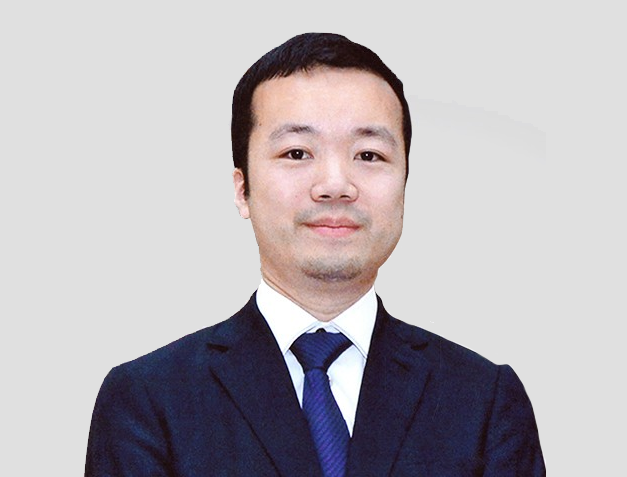
Prince Group founder Chen Zhi arrested in Cambodia and extradited to China. US charges him with orchestrating fraud, seizing $14 billion in Bitcoin in the largest case in history. Singapore froze S$150 million, Taiwan seized NT$4.5 billion, Hong Kong froze HK$2.75 billion. Hun Sen of Cambodia quickly distanced himself. Chen Zhi, 37, formerly held a Duke title and served as government advisor.
Chen Zhi: 37-Year-Old Duke from Fujian Hacker to Cambodian Tycoon
Chen Zhi was born in Fuzhou, Fujian. After earning his first fortune through cyberattacks in his early years, he moved to Cambodia in 2011 to develop real estate, finance, hotels, and tourism businesses. After obtaining Cambodian citizenship, he founded Prince Group in 2015 and was subsequently awarded a “Duke” title, even serving as a high-level government advisor for a time, commanding unparalleled prominence. This identity leap from hacker to duke is exceptionally rare in Southeast Asian emerging markets, demonstrating his deep connections within Cambodia’s political and business networks.
Prince Group boasts a massive commercial portfolio in Cambodia, including luxury properties in central Phnom Penh, resorts, financial services companies, and technology enterprises. Chen Zhi established a public image through these legitimate businesses, but the US Department of Justice alleges he actually operated a global cryptocurrency fraud network. This “legitimate business as cover for illegal activity” model is extremely common in transnational crime.
The US Department of Justice charged Chen Zhi last October with orchestrating fraud from his base in Cambodia, stealing billions of dollars in cryptocurrency from victims worldwide. The US Treasury Department seized approximately $14 billion in Bitcoin allegedly linked to him, calling it the largest cryptocurrency seizure in history. If accurate, this figure suggests Chen Zhi controlled over 100,000 Bitcoin, a scale second only to Satoshi Nakamoto and a handful of early miners.
On October 8 last year, US federal prosecutors indicted Chen Zhi and his associates. On October 14, the US Treasury Department’s Office of Foreign Assets Control (OFAC) sanctioned three Taiwanese citizens and nine Taiwan-registered companies. After receiving information from US authorities on October 15, the Taipei District Prosecutors Office, in coordination with the FBI Taipei office and the National Police Agency’s Criminal Investigation Bureau, established a task force to track the organization’s fund flows and assets in Taiwan.
US, Singapore, Hong Kong, and Taiwan Jointly Pursue NT$16 Billion in Assets
Investigators and police conducted 47 synchronized raids on the residences and offices of senior members of Prince Group and affiliated companies, including Prince Real Estate Investment Co., Ltd. and Alpha King Investment Co., Ltd. Prosecutors stated that a total of 25 suspects were detained, 10 witnesses were summoned for interrogation, and over NT$4.5 billion (US$145.72 million) in assets related to Prince Group headquartered in Cambodia were seized.
Singapore police froze approximately S$150 million (HK$910 million) in assets under Chen Zhi’s and his enterprises’ names on October 31 last year, including bank deposits, luxury vehicles, and yachts. Subsequently, local government departments revoked tax incentive qualifications for family offices related to him, and multiple financial institutions began reassessing cooperation risks with foreign family offices.
Information shows that since 2017, Chen Zhi actively expanded in Singapore, establishing the family office DW Capital and purchasing luxury properties while seeking permanent residency status. However, his family office encountered a “double-crossing” fund dispute in 2021 involving millions of Singapore dollars in fund misappropriation controversies, ultimately evolving into prolonged litigation.
On January 7, Singapore courts rejected an application to release funds related to Chen Zhi from his Singapore-based family office DW Capital. The application was submitted by a former HR manager on behalf of sanctioned director Karen Chen, seeking funds for wage payments, taxes, and future expenses. The Singapore judge expressed concerns about the applicant’s credibility, the complex transnational money laundering investigation, and the necessity of preserving alleged proceeds of crime.
Asset Recovery Statistics from Four Jurisdictions
United States: Seized $14 billion in Bitcoin, largest cryptocurrency seizure in history
Singapore: Froze S$150 million in assets, including bank deposits, luxury vehicles, yachts
Taiwan: 47 simultaneous raids, seized NT$4.5 billion, detained 25 persons
Hong Kong: Froze HK$2.75 billion in assets, affiliated listed companies continue trading
Cambodia’s Lightning-Speed Distancing: Political Considerations
After Cambodian authorities publicly announced on January 7 that Chen Zhi was arrested and extradited to China, Hun Sen, Chairman of the Cambodian Senate and People’s Party, issued a statement that same evening through his spokesman, stating that no one can escape legal punishment if they violate the law, and that certain individuals attempting to use national leaders’ names as a “protective umbrella” are precisely those the authorities are focused on eliminating. This was widely interpreted as rapid distancing from the incident to minimize political risk exposure.
This lightning-speed distancing reveals the pressure Cambodia’s government faces. Chen Zhi previously held a Duke title and served as government advisor; such intimate connections, if not quickly severed, could invite international scrutiny suggesting Cambodia harbored transnational criminals. Hun Sen’s statement is effectively signaling to the US and international community that Cambodia is willing to cooperate in combating transnational crime and will not become a haven for criminals.
In contrast, two affiliated listed companies in which Chen Zhi held Hong Kong stock exchange shares—Kunhui Group (0924.HK) and Chiho Data (1707.HK)—continue trading normally. The related companies issued statements indicating their primary businesses are concentrated in Singapore with no assets in Anglo-American jurisdictions, and that directors and management were not involved in any sanctioned activities. However, successive waves of director and executive resignations began appearing last November, with independent directors and auditors subsequently withdrawing.
The Chen Zhi incident reflects how different judicial jurisdictions handle cross-border fund and reputational risks with different logics and priorities. Singapore prioritizes preventing capital flight and systemic risk, taking swift asset-freezing actions. Cambodia emphasizes political distancing. Hong Kong has responded through corporate governance and existing regulatory procedures; absent judicial determinations or regulatory directives, related listed companies maintain normal trading, revealing differences in risk handling pace and thresholds.


