




#FidelityLaunchesFIDD Finance’s New Digital Face
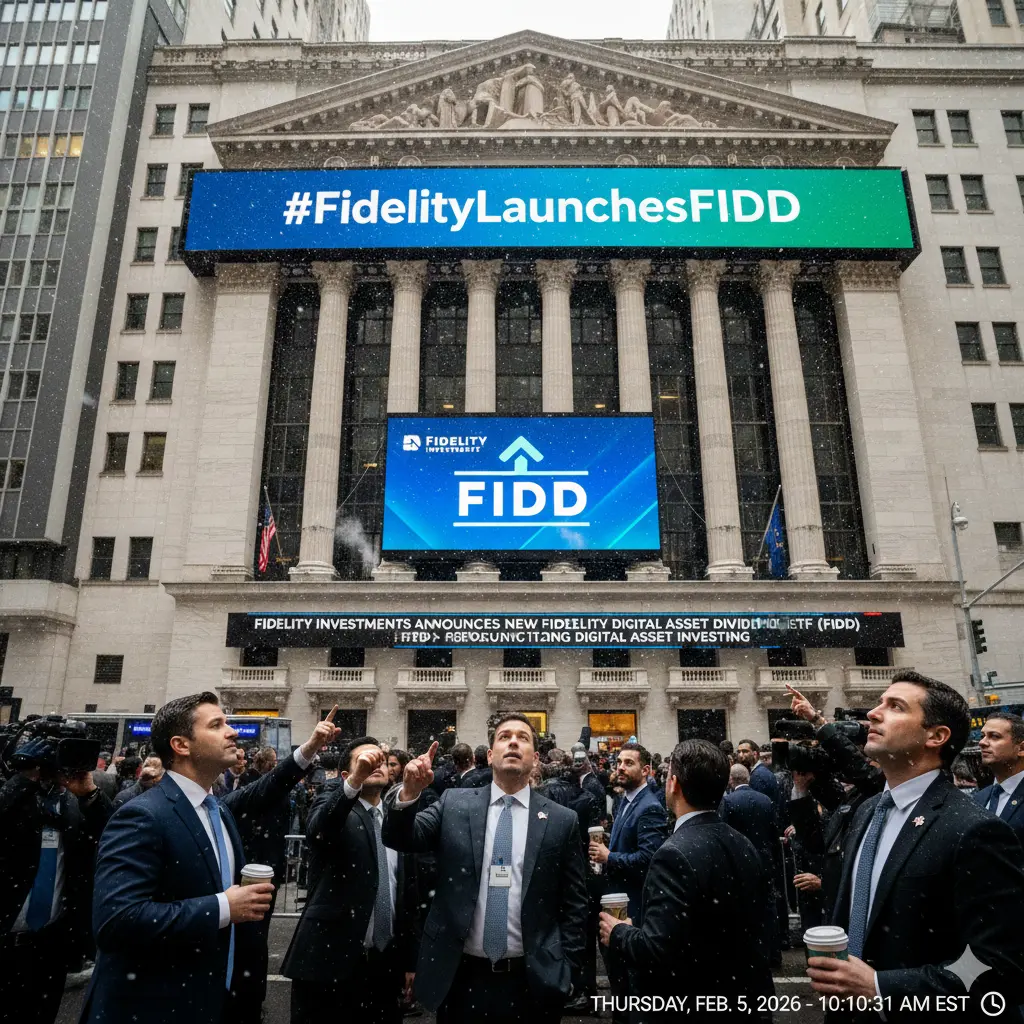
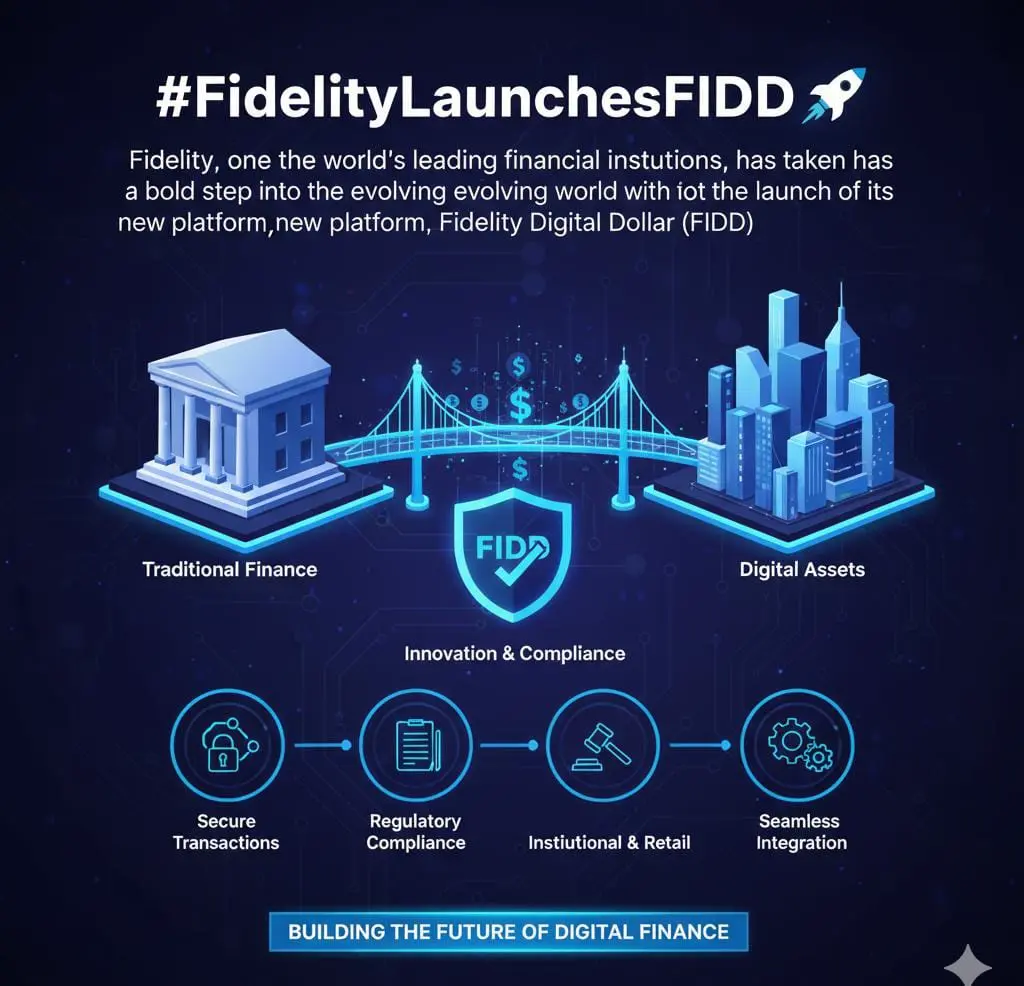
Fidelity Investments has officially entered a new era of digital finance with the launch of the Fidelity Digital Dollar (FIDD), marking a major milestone in the convergence of traditional finance and blockchain technology. This move represents more than product innovation — it signals a structural shift in how large financial institutions view digital assets as core financial infrastructure rather than experimental tools.
🔹 More Than Just a Stablecoin
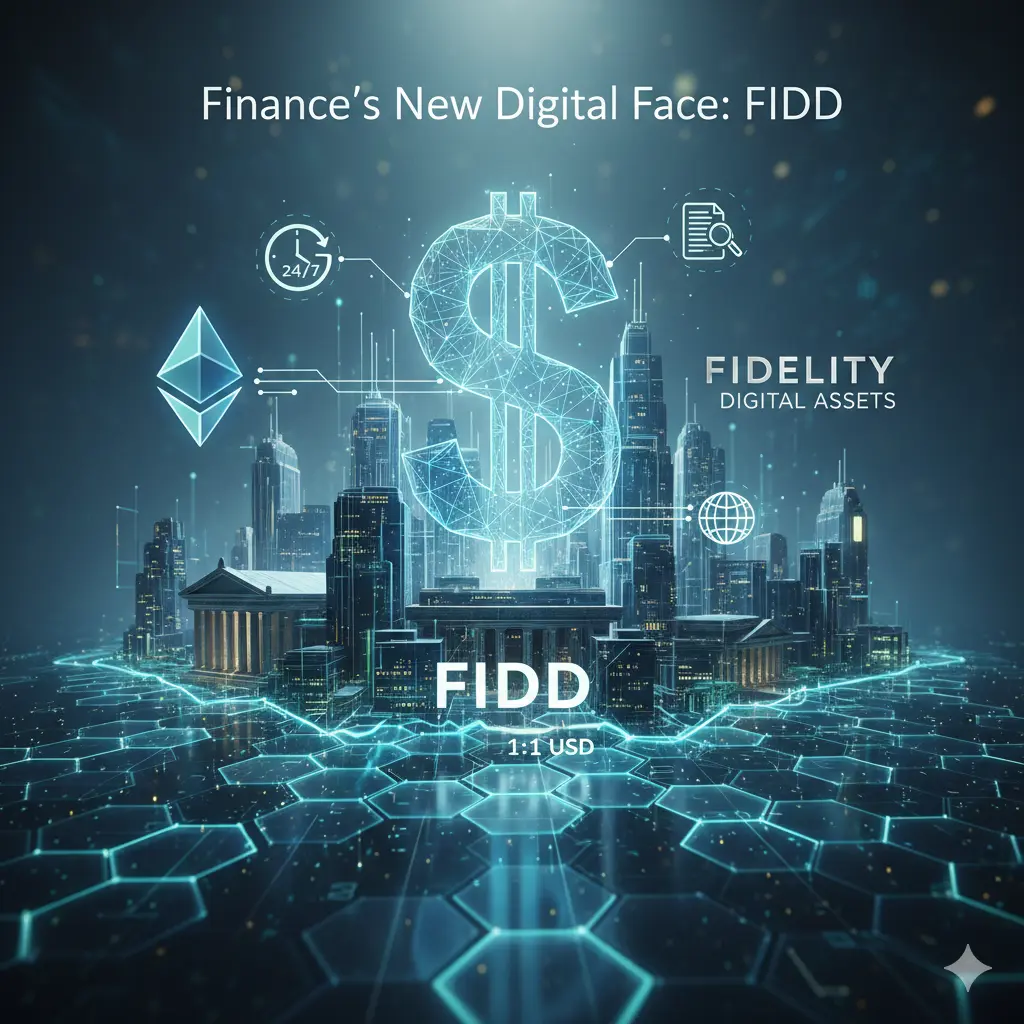
Built on the Ethereum network and issued through Fidelity Digital Assets, FIDD is designed as a corporate-grade digital settlement instrument rather than a typical retail-focused stablecoin. Pegged 1:1 to the U.S. dollar, it combines blockchain efficiency with the credibility, governance, and compliance standards of one of the world’s largest asset managers. This structure offers users transparency, operational security, and institutional-level reliability.
🔹 Why Now? Regulatory and Market Timing
The timing of FIDD’s launch reflects major regulatory progress in the United States, particularly following clearer frameworks for digital asset issuance and reserve management. These developments have reduced legal uncertainty and encouraged major financial institutions to deploy regulated blockchain-based products. Fidelity’s entry signals confidence that the digital dollar market has matured enough for large-scale institutional participation.
🔹 24/7 Settlement and Payment Infrastructure
One of FIDD’s most significant advantages is uninterrupted, real-time settlement. Unlike traditional banking systems limited by operating hours, FIDD enables instant value transfer around the clock. This capability improves capital efficiency, reduces settlement risk, and supports global transactions without dependence on legacy clearing systems.
🔹 Transparency and Reserve Backing
Fidelity has positioned FIDD as a trust-focused asset through daily reserve disclosures, third-party audits, and strict custody standards. Reserves are backed primarily by cash and short-term U.S. Treasury instruments, minimizing credit and liquidity risk. This transparency framework is designed to set a new benchmark for institutional stablecoins.
🔹 Broad Market Accessibility
FIDD is integrated across Fidelity’s internal platforms while remaining compatible with major blockchain wallets and supported exchanges. This dual-access model allows both retail users and institutional investors to participate within a unified ecosystem, reducing friction between traditional and digital finance channels.
🔹 Strategic Evolution of Fidelity
After establishing leadership through spot Bitcoin ETFs and digital custody services, Fidelity is now expanding into native blockchain infrastructure. With FIDD, the firm moves beyond asset management into on-chain settlement, liquidity provision, and digital payments, reinforcing its role as a full-spectrum financial technology provider.
🔹 Impact on the Stablecoin Landscape
Fidelity’s entry intensifies competition among dollar-backed digital assets. Institutional-grade standards around compliance, auditing, and governance are likely to pressure existing issuers to improve transparency. Over time, this could reshape the stablecoin market toward higher regulatory alignment and operational resilience.
🔹 Institutional Adoption and Market Confidence
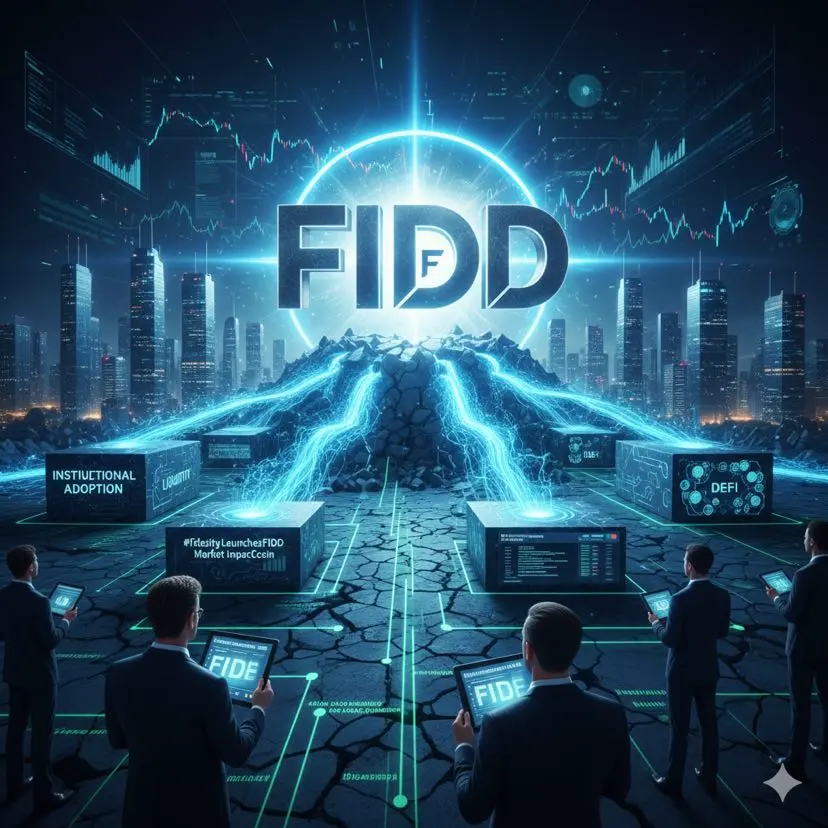
The launch of FIDD sends a powerful signal to pension funds, corporations, and sovereign entities that blockchain-based money is becoming a mainstream financial tool. This endorsement from a major asset manager reduces reputational and operational barriers for large-scale adoption.
🔹 Implications for DeFi and Tokenized Finance
FIDD may become a key settlement layer for decentralized finance, tokenized securities, and on-chain treasury management. As institutions increasingly tokenize assets, a trusted digital dollar backed by a major financial institution can serve as foundational liquidity infrastructure.
🔹 Bottom Line
Fidelity’s Digital Dollar represents a turning point in financial evolution. It demonstrates that blockchain is no longer peripheral to global finance — it is becoming central to settlement, liquidity, and capital movement. FIDD is not just a new stablecoin; it is a blueprint for how traditional finance is transforming into programmable, transparent, and always-on infrastructure.
📌 The fusion of TradFi trust with blockchain speed is redefining the future of money.
Fidelity Investments has officially entered a new era of digital finance with the launch of the Fidelity Digital Dollar (FIDD), marking a major milestone in the convergence of traditional finance and blockchain technology. This move represents more than product innovation — it signals a structural shift in how large financial institutions view digital assets as core financial infrastructure rather than experimental tools.
🔹 More Than Just a Stablecoin
Built on the Ethereum network and issued through Fidelity Digital Assets, FIDD is designed as a corporate-grade digital settlement instrument rather than a typical retail-focused stablecoin. Pegged 1:1 to the U.S. dollar, it combines blockchain efficiency with the credibility, governance, and compliance standards of one of the world’s largest asset managers. This structure offers users transparency, operational security, and institutional-level reliability.
🔹 Why Now? Regulatory and Market Timing
The timing of FIDD’s launch reflects major regulatory progress in the United States, particularly following clearer frameworks for digital asset issuance and reserve management. These developments have reduced legal uncertainty and encouraged major financial institutions to deploy regulated blockchain-based products. Fidelity’s entry signals confidence that the digital dollar market has matured enough for large-scale institutional participation.
🔹 24/7 Settlement and Payment Infrastructure
One of FIDD’s most significant advantages is uninterrupted, real-time settlement. Unlike traditional banking systems limited by operating hours, FIDD enables instant value transfer around the clock. This capability improves capital efficiency, reduces settlement risk, and supports global transactions without dependence on legacy clearing systems.
🔹 Transparency and Reserve Backing
Fidelity has positioned FIDD as a trust-focused asset through daily reserve disclosures, third-party audits, and strict custody standards. Reserves are backed primarily by cash and short-term U.S. Treasury instruments, minimizing credit and liquidity risk. This transparency framework is designed to set a new benchmark for institutional stablecoins.
🔹 Broad Market Accessibility
FIDD is integrated across Fidelity’s internal platforms while remaining compatible with major blockchain wallets and supported exchanges. This dual-access model allows both retail users and institutional investors to participate within a unified ecosystem, reducing friction between traditional and digital finance channels.
🔹 Strategic Evolution of Fidelity
After establishing leadership through spot Bitcoin ETFs and digital custody services, Fidelity is now expanding into native blockchain infrastructure. With FIDD, the firm moves beyond asset management into on-chain settlement, liquidity provision, and digital payments, reinforcing its role as a full-spectrum financial technology provider.
🔹 Impact on the Stablecoin Landscape
Fidelity’s entry intensifies competition among dollar-backed digital assets. Institutional-grade standards around compliance, auditing, and governance are likely to pressure existing issuers to improve transparency. Over time, this could reshape the stablecoin market toward higher regulatory alignment and operational resilience.
🔹 Institutional Adoption and Market Confidence
The launch of FIDD sends a powerful signal to pension funds, corporations, and sovereign entities that blockchain-based money is becoming a mainstream financial tool. This endorsement from a major asset manager reduces reputational and operational barriers for large-scale adoption.
🔹 Implications for DeFi and Tokenized Finance
FIDD may become a key settlement layer for decentralized finance, tokenized securities, and on-chain treasury management. As institutions increasingly tokenize assets, a trusted digital dollar backed by a major financial institution can serve as foundational liquidity infrastructure.
🔹 Bottom Line
Fidelity’s Digital Dollar represents a turning point in financial evolution. It demonstrates that blockchain is no longer peripheral to global finance — it is becoming central to settlement, liquidity, and capital movement. FIDD is not just a new stablecoin; it is a blueprint for how traditional finance is transforming into programmable, transparent, and always-on infrastructure.
📌 The fusion of TradFi trust with blockchain speed is redefining the future of money.













 :
: