0xCandleQuiet

vip
Age 0.1 Year
Peak Tier 0
Watching both the K-line and on-chain liquidation cascades, I like to post a calm, data-driven screenshot summary when others are arguing.
The liquidity below will sweep once and then rebound; the vibe is right.
View Original
LedgerBull
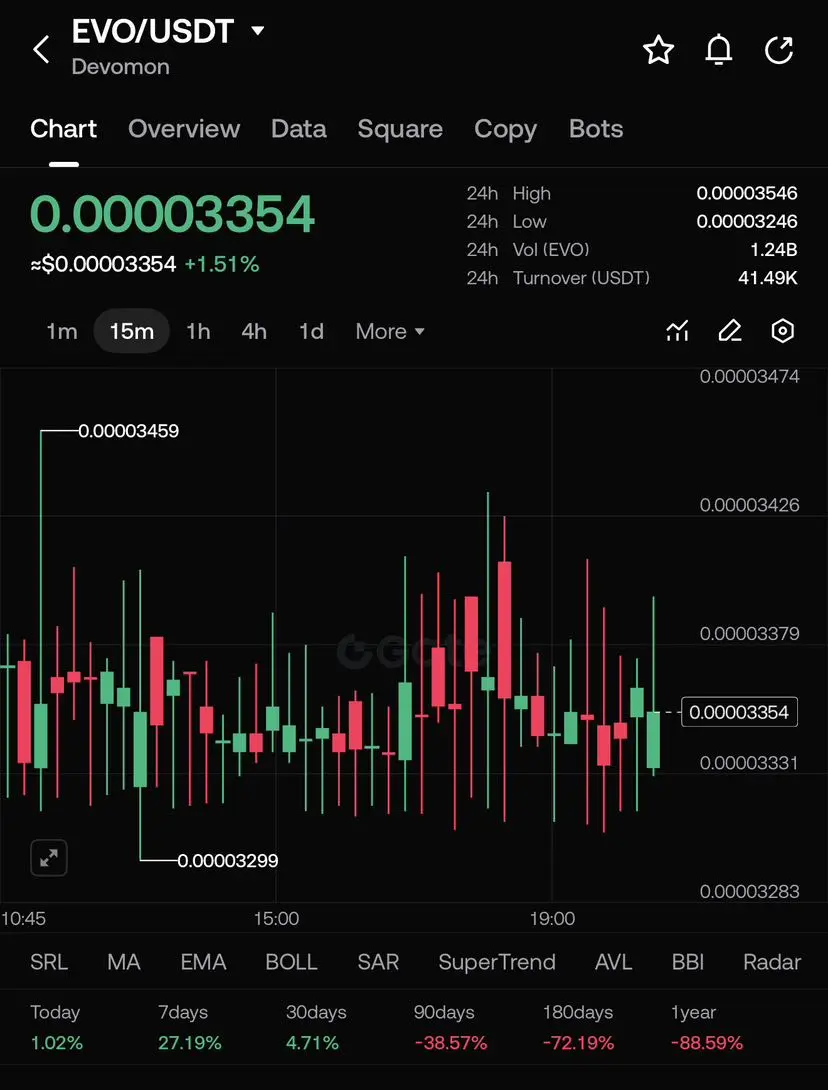
$EVO showing consolidation with slight bullish pressure building.
Buyers attempting control as structure stabilizes on lower timeframes.
EP
0.0000330 - 0.0000338
TP
TP1 0.0000350
TP2 0.0000370
TP3 0.0000400
SL
0.0000320
Liquidity below 0.0000330 was tapped before a mild bounce, indicating demand. Tight range and higher lows suggest potential upside expansion if buyers maintain control.
Let’s go $EVO ‌
repost-content-media
  • Reward
  • Comment
  • Repost
  • Share
Recently, I've seen new L1/L2 incentives being launched again, and TVL (Total Value Locked) is skyrocketing. Veteran users in the group are complaining, "Mining, selling..." Basically, attention is liquidity. When everyone is chasing hot topics, they are most likely to treat themselves as fuel. My simple method: first, don't look at slogans, focus on two things—whether the on-chain real activity (addresses/interactions) is keeping up, and whether liquidations/large deposits and withdrawals are starting to become more frequent. If TVL has increased but interactions haven't moved, it's basically
View Original
  • Reward
  • Comment
  • Repost
  • Share
Recently, I looked at the data of several blockchain game pools again, and it’s quite like watching the slow motion of a liquidation waterfall: the output first attracts people in, then inflation drains the pool. To put it simply, many rewards are either “profits” or an early distribution of future selling pressure. At first, the APR looks great, but later, as it unlocks a little each day, the sell orders pile up, and if the pool isn’t deep enough, it collapses directly.
I also happened to think that these days, everyone compares RWA and US Treasury yields with on-chain yield products. Actuall
View Original
  • Reward
  • Comment
  • Repost
  • Share
This appreciation is very sincere; the community loves this kind of genuine creator.
View Original
CryptoSat
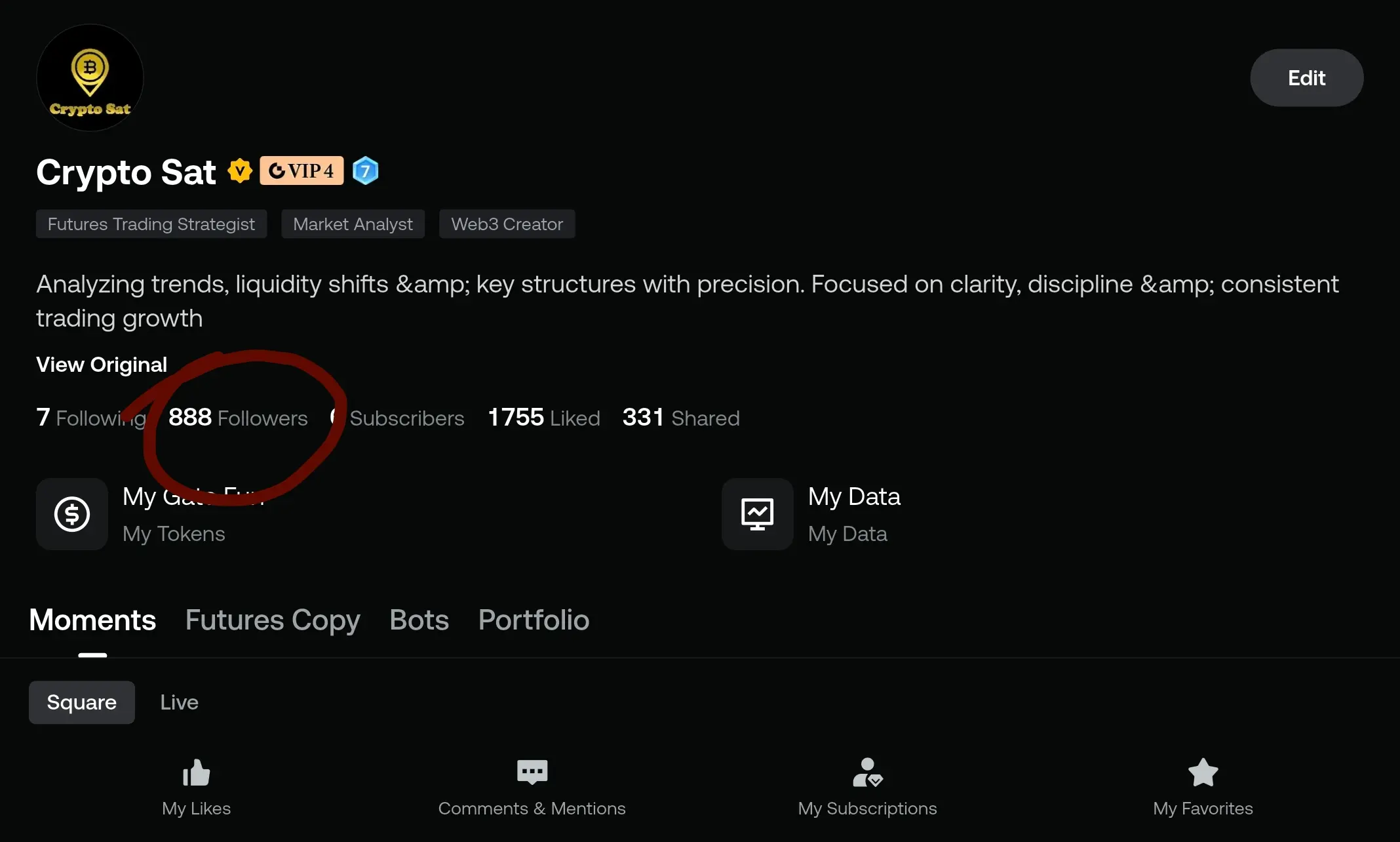
888 followers 😍
Thank you all my 888 ❤️
repost-content-media
  • Reward
  • Comment
  • Repost
  • Share
Narrative is positive, but don't get carried away by emotions; the technical aspect is somewhat overheated, and geopolitical factors can reverse at any time. Set proper stop-loss levels for your positions; be very cautious about chasing highs at this level.
View Original
BraveBullsAreNotAfra
The impact of Hormuz on BTC is currently a structural bullish narrative (oil pricing BTC) combined with short-term sentiment-driven price increases, but the technicals are already overheated, and geopolitical situations could reverse at any time—remember to set proper stop-losses if you're holding positions, and be cautious about chasing highs at this point.
  • Reward
  • Comment
  • Repost
  • Share
Japan's move to include cryptocurrencies under the Financial Instruments and Exchange Act = regulated at the securities level, with insider trading and information disclosure requirements strengthened. Compliance costs increase, but it's a positive for institutional entry and investor protection.
View Original
CryptoNewcomersAreHere22222
(FSA) Previously regulated cryptocurrencies under the "Funds Settlement Act," using payment methods as the basis for supervision.
As the investment purposes of cryptocurrencies continue to expand, the proportion of users holding them for profit has significantly increased, and the current regulatory framework can no longer effectively protect investors' rights and interests.
Against this background, the Financial Services Agency has decided to transfer the regulatory framework to the "Financial Instruments and Exchange Act," placing cryptocurrencies on equal legal footing with stocks, bonds, and other traditional financial products, and related industry players will also face compliance standards similar to traditional financial institutions.
This transition also brings Japan's cryptocurrency regulatory structure closer to the mainstream financial regulations of major G7 economies.
Core provisions of the amendment: strengthened obligations and upgraded penalties
Main changes in this amendment include:
Insider trading ban: Explicitly prohibit the use of material non-public information for cryptocurrency trading, filling gaps in current law.
Annual information disclosure obligation: Cryptocurrency issuers must regularly disclose financial and business information to regulators and investors.
Change of operator name: Registered operators are officially renamed from "Cryptocurrency Exchange Operators" to "Cryptocurrency Trading Operators."
Enhanced criminal penalties: The maximum prison term for unlicensed operators is increased from 3 years to 10 years, and the maximum fine is raised from 3 million yen to 10 million yen.
  • Reward
  • Comment
  • Repost
  • Share
  • Pin