This article will take you through the derivatives projects focusing on Staking and see how they build the Staking economic vision in the multi-chain future.
Written by Kyle Liu, Investment Manager at Bing Ventures
With the success of Ethereum Merge, Ethereum has officially shifted from POW to POS. In the POS network, Staking is a topic that cannot be avoided. Users can obtain Staking benefits by staking tokens in the network to provide security for the network, but the assets in Staking cannot be used within a certain locking period. Staking derivatives can release the liquidity of Staking assets and improve asset utilization. This article will take you through the derivatives projects focusing on Staking and see how they build the Staking economic vision in the multi-chain future.
The basis of cross-chain liquidity
Cross-chain liquidity is a topic of great concern in the current cryptocurrency market. It involves the conflict between DeFi income and Staking income under the PoS consensus, cross-chain costs, and the balance between security and liquidity under the PoS consensus. To solve these problems, Staking derivatives emerged.
Staking derivatives essentially issue corresponding certificates to the native tokens participating in Staking. Holding the certificates can obtain Staking income. After the staking cycle ends, the certificate can be rigidly redeemed back to the native token. Such a design can solve the problem of conflict between DeFi income and Staking income under the PoS consensus. By converting Staking income into tradable derivatives, users can trade in DeFi, thus achieving the liquidity and income of Staking tokens at the same time. .
At the same time, Staking derivatives can also solve the problem of cross-chain costs. Traditional cross-chain transactions require certain handling fees and time costs, which will reduce the user experience. By converting tokens into cross-chain assets and binding them to a single cross-chain derivative, users can trade these derivatives directly between different blockchains without having to pay high cross-chain fees and waiting time.
In addition, Staking derivatives can also solve the conflict between security and liquidity under the PoS consensus. Under the PoS consensus, in order to ensure the security of the network, users must be encouraged to lock their tokens in Staking as much as possible, but this will also reduce the liquidity of the token, making it difficult for users to use it for other purposes. By converting tokens into cross-chain derivatives, users can stake the tokens and obtain corresponding returns, while also converting them into derivatives that can be used for DeFi transactions when needed, thus achieving security and liquidity. balance.
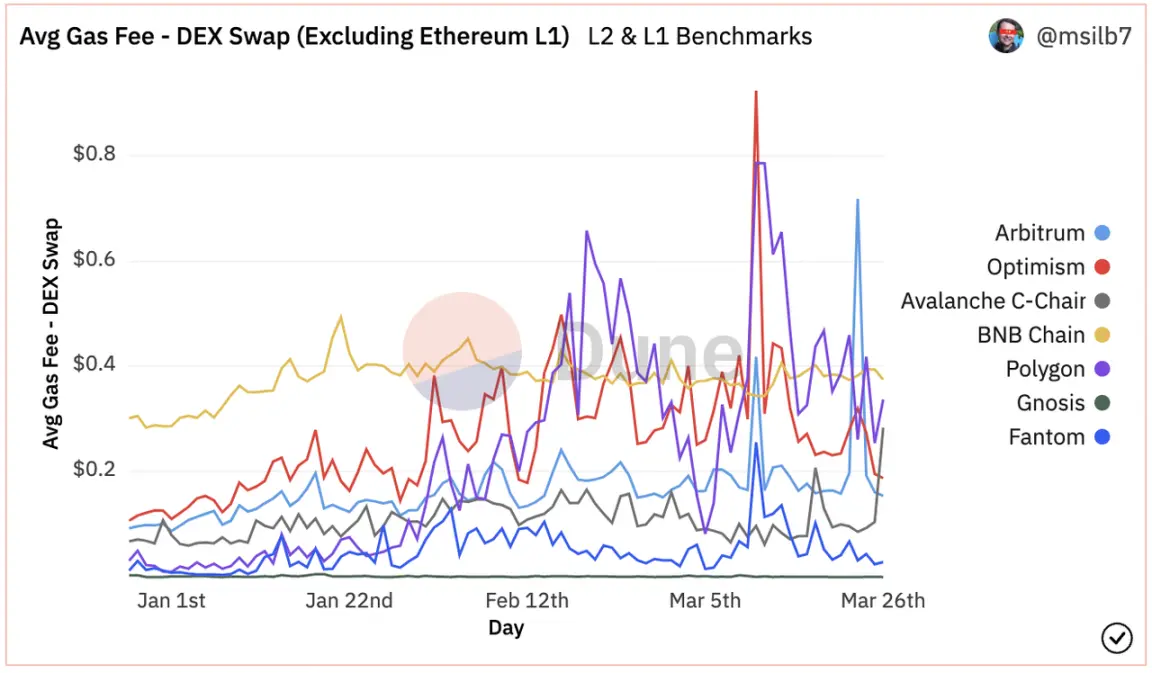
Value Capture of Derivatives
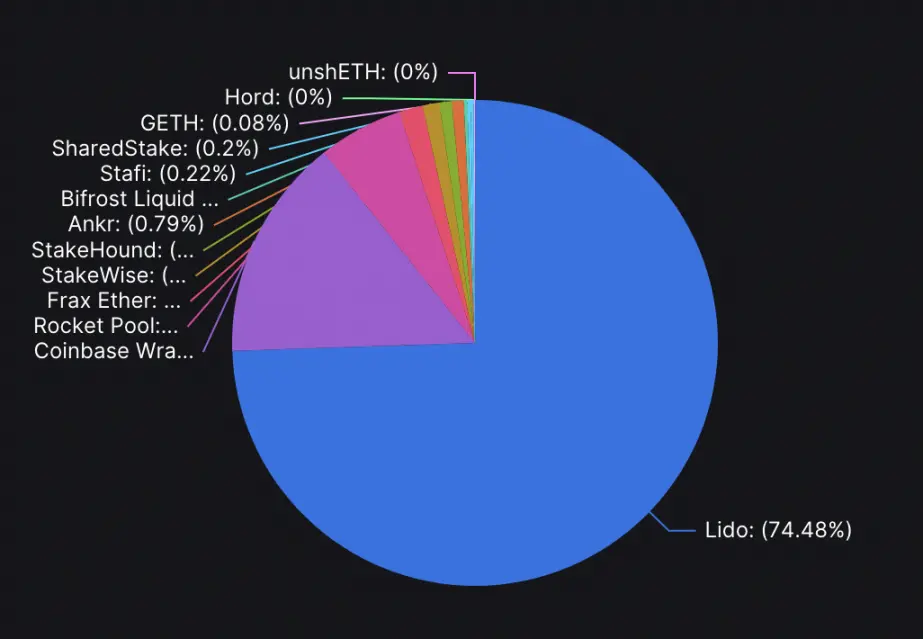
When it comes to Staking derivatives, we believe this area will become indispensable infrastructure and capture value from the underlying chain and upper-layer applications. As the PoS network develops, the value of the Staking protocol will become greater and greater. Ethereum 2.0’s largest Lido is a success story. With the success of Ethereum’s Merge, Lido’s market value has reached a new high.
On the user side, Staking derivatives bring new DeFi gameplay to users. For example, arbitrage opportunities in derivatives. If derivatives are discounted, long-term holders can obtain higher profits by purchasing derivatives, which is more advantageous than directly purchasing spot prices. Users only need to purchase derivatives and then redeem the original assets at a ratio of 1:1. This discount range is actually an arbitrage space with low risk and high returns. Therefore, if users understand the mechanism of derivatives, they have the opportunity to obtain higher returns in the ecosystem.
In terms of DeFi development in the entire public chain ecosystem, Staking derivatives have brought DeFi yield advantages to the ecosystem. If the Layer1 ecosystem uses derivatives to implement DeFi in the future, then without considering project subsidies, the basic Staking return rate combined with the DeFi return rate of Staking derivatives will be higher than the ordinary DeFi return rate. For example, it would be great if the current long-term stable return rate of Ethereum’s leading DeFi project exceeds 5%. However, if you combine DeFi with Staking derivatives, with 5% interest plus 15% Staking income, this DeFi product will have a long-term and stable annualized income of 20%, thus attracting more users to the ecosystem. The current mainstream cross-chain staking protocols include:
- Bifrost is a Web 3.0 infrastructure that provides cross-chain liquidity for staking. It provides decentralized, cross-chain Liquid Staking services for multiple chains through the cross-chain communication protocol (XCMP). Bifrost’s mission is to aggregate more than 80% of the staking liquidity of the PoS consensus chain through cross-chain derivatives, and to provide standardized cross-chain interest-bearing for Polkadot relay chains, parachains, and heterogeneous public chains that bridge with Polkadot. Derivatives can lower user staking thresholds, increase multi-chain staking proportions, improve the revenue base of ecological applications, and create a StakeFi ecosystem that empowers users, multi-chains, and ecological applications and creates a positive cycle.
- StaFi is a cross-chain staking solution whose innovations include nomination-based proof-of-stake (NPoS) mechanism, token locking and improved liquidity. NPoS is a mechanism derived from DPoS, which can solve the tendency problem of DPoS and improve fairness and security. The token locking mechanism allows StaFi users to lock tokens in the protocol and obtain staking benefits. At the same time, StaFi also provides liquidity solutions to convert locked tokens into equivalent rTokens, which can be traded and used at any time. StaFi improves liquidity and flexibility by implementing multi-chain, cross-chain and asset tokenization, supports mainstream public chains and DeFi ecosystems, and provides users with a safe and reliable way to earn income.
- Kine Protocol is a cross-chain derivatives trading platform designed to provide efficient, low-cost decentralized trading solutions. Kine Protocol supports functions such as staking, minting, destruction, rewards and liquidity mining, and supports cross-chain transactions with multiple public chains. The main feature of Kine Protocol is to use technologies such as Kine Oracle to implement fast and efficient price oracles, and can realize derivatives transactions between any assets, such as lending, synthetic assets, and options. In addition, Kine Protocol adopts the AMM+Limit Order trading mechanism, allowing traders to choose trading methods more flexibly. Kine Protocol also provides a variety of reward mechanisms, such as LP rewards, liquidity mining rewards and KineDAO rewards, to attract more users to participate in the platform.
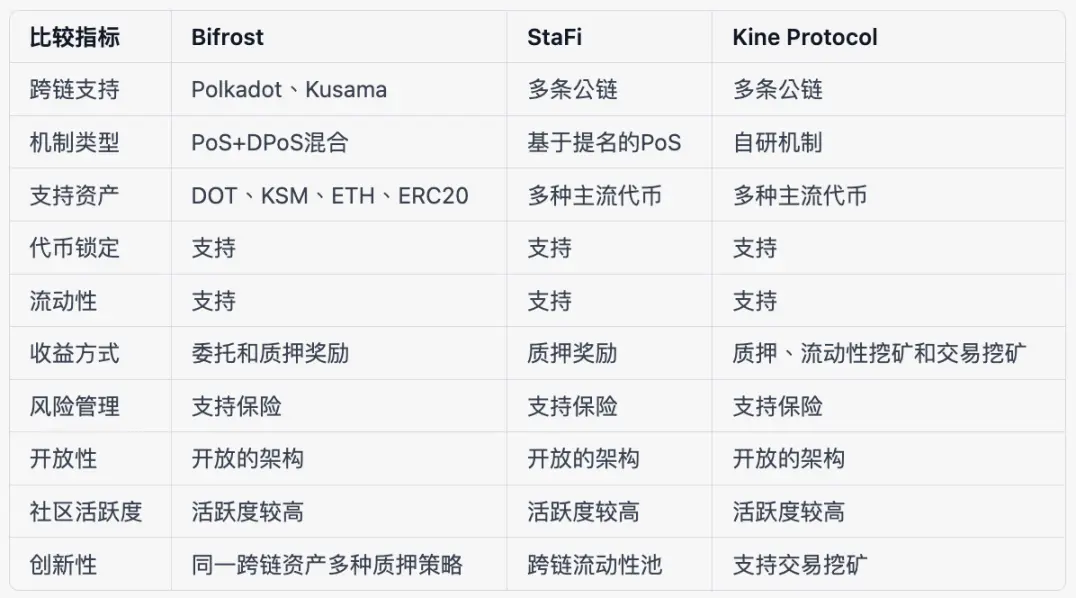
The future of cross-chain staking track
From the perspective of composability and interoperability, some current mainstream public chains have great room for expansion and potential in the DeFi field. Compared with Ethereum, these public chains have more diverse designs, allowing them to provide more flexible options in terms of composability and interoperability of cross-chain assets. With the rise of Staking derivatives, DeFi projects on these public chains will become more active. These projects will continue to improve their competitiveness by increasing liquidity and increasing participants. To this end, these projects also require more liquidity to support their development.
In addition, in terms of the composability and interoperability of cross-chain assets, the product forms of centralized finance are very diverse, which is due to the recognition of unified value standards. When multi-chains solve technical limitations, the value consensus of major blockchains will become more decentralized in nature. Under this premise, the gameplay and application of cross-chain assets will not only be determined by the project party and the public chain. Users will have a higher degree of freedom, stronger operability, and greater sovereignty in using cross-chain assets in various smart contracts and consensus mechanisms. bigger.
Therefore, the future of the cross-chain staking track is very clear. It will be a multi-chain future that belongs to users and the community and realizes true “Web3”. This future will bring more independent choices and greater operating space to users, and will also promote the development of the entire DeFi ecosystem and make greater contributions to the prosperity of the ecosystem. In this future, Staking derivatives will exist as indispensable middleware, capturing value from the underlying chain and other applications on the upper layer, and attracting more users to participate by continuously improving user profitability.
Summarize
Cross-chain pledged derivatives are a new type of PoS network solution designed to improve capital efficiency and liquidity and provide users with wider DeFi application opportunities. However, this innovative tool also has some potential risks, which requires the project party to take measures to strengthen market liquidity, improve security, ensure algorithm fairness and optimize product experience.
Market illiquidity can result in volatile prices and high transaction costs. To this end, the project party can strengthen market promotion and attract more users and capital, thereby enhancing the project’s reputation and brand value. In addition, project parties should also take measures to ensure the security of user assets, such as multi-signature, separation of hot and cold wallets, and regular security audits.
At the same time, the unfairness of cross-chain staking derivatives algorithms and poor product experience may also affect user participation and loyalty. To this end, project parties should adopt fair algorithm design and optimized operating processes, provide efficient transaction execution and low-cost transaction fees, and design user-friendly interfaces. As DeFi and PoS blockchains continue to develop, cross-chain pledge derivatives will become a more widely used tool. On the basis of ensuring user safety and improving product experience, this new solution is expected to become a widely used passive savings tool in DeFi.
Disclaimer: The information on this page may come from third parties and does not represent the views or opinions of Gate. The content displayed on this page is for reference only and does not constitute any financial, investment, or legal advice. Gate does not guarantee the accuracy or completeness of the information and shall not be liable for any losses arising from the use of this information. Virtual asset investments carry high risks and are subject to significant price volatility. You may lose all of your invested principal. Please fully understand the relevant risks and make prudent decisions based on your own financial situation and risk tolerance. For details, please refer to
Disclaimer.


