Growth in the DeFi space is critical to the development of the entire cryptocurrency ecosystem. However, there are still some challenges in the design, implementation, and maintenance of DeFi exchanges, liquidity pools, and smart contracts. To solve these challenges, artificial intelligence (AI) technology is widely used in the DeFi ecosystem.
Written by Kyle Liu, Investment Manager at Bing Ventures
Market Competition and Changes
Define the concepts of AIGC and DeFi
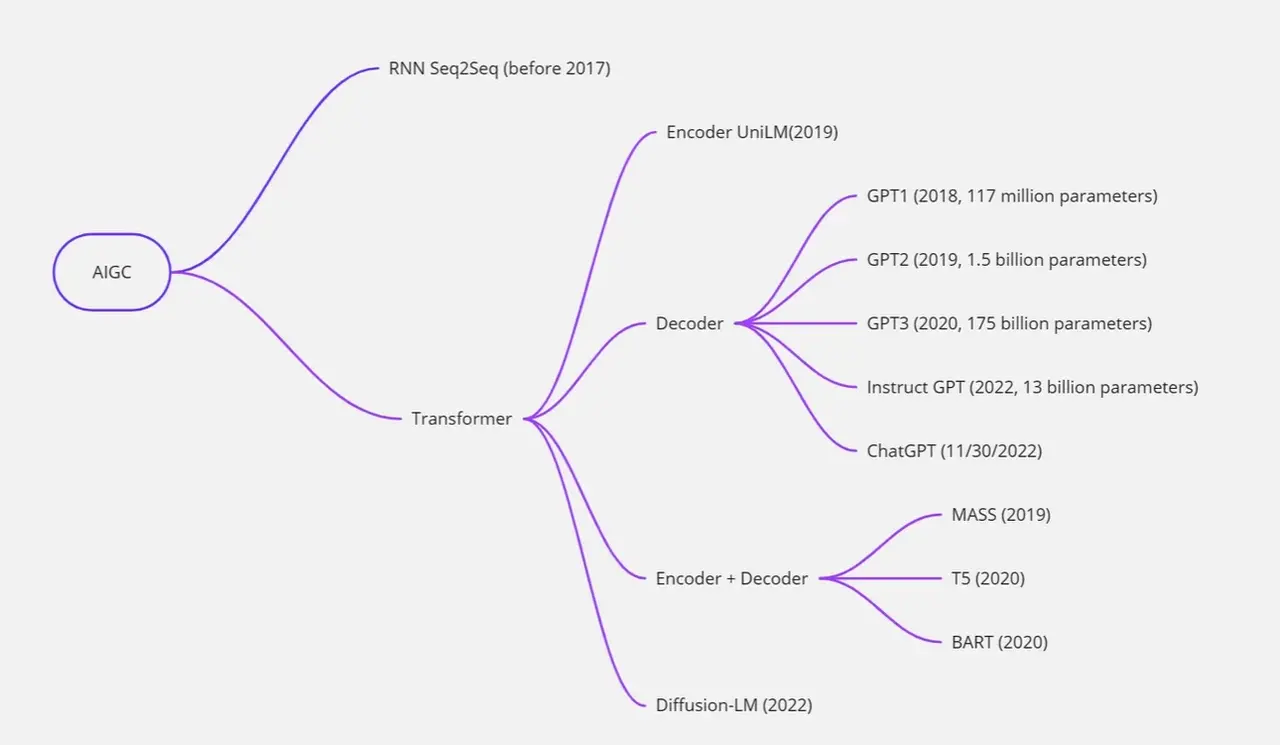
AIGC (AI Generated Content) is content generated by artificial intelligence. With the continuous development of technology, the application fields of AIGC are becoming more and more extensive. In the DeFi field, AIGC can be used for data analysis and smart contract writing, but it also faces issues of content quality and authenticity. In the future, the combination of AIGC and DeFi will bring more opportunities and solutions to the digital economy, such as decentralized NFT markets and digital identity authentication. However, new technologies and mechanisms need to be developed to ensure the quality and authenticity of content generated by AIGC.
Development of DeFi Market
Artificial intelligence applications in the DeFi market are in a stage of rapid growth, and more support will be provided for various DeFi services in the future. The decentralized and open data nature of DeFi provides huge opportunities for training and developing artificial intelligence models, such as arbitrage bots, that attempt to maximize profits from expected asset price fluctuations. However, it is very important to protect the underlying data used to train artificial intelligence models, and various protection techniques can be adopted, such as protecting it as a trade secret or applying for a patent.
Emerging services such as smart contracts, decentralized exchanges, and lending platforms in the DeFi market can improve the efficiency and accessibility of financial services, but the supervision and risk management of these new services still need to be continuously improved. In the future, as the amount of data increases, the prospects for artificial intelligence applications will become more extensive and can further expand the potential of the DeFi market and the space for financial innovation.
Application of AIGC in DeFi
AI technology can be used to optimize and intelligentize DeFi systems, achieving more precise risk control and more efficient trading strategies through AI algorithms. At the same time, the data and transaction records of the DeFi system can provide a large amount of training data and application scenarios for AI, further enhancing the application and development of AI technology. Intelligent investment, credit evaluation, smart contracts, and decentralized governance are important application scenarios for the combination of DeFi and AI, which can improve the security and governance efficiency of the system. The combination of DeFi and AI will promote innovation and change in the financial field, and will produce the following three major trends in the future financial market:
Application of AIGC in trading
The potential for AI in trading is huge. Token ranking predictions can be generated using unsupervised learning methods, while clustering algorithms and dimensionality reduction techniques can extract relevant features and cluster the data set. This helps in better understanding market trends and making more informed decisions. AI can also help traders execute arbitrage trades and optimize asset allocation strategies.
AI can also play an important role in risk assessment in transactions, identifying and flagging suspicious activity and protecting users from fraud and other financial crimes. With the continuous development of the DeFi market and the continuous advancement of AI technology, the application potential of AI in DeFi intelligent trading algorithms will become greater and greater, and it is expected to play an important role in establishing trust in the DeFi ecosystem.
Application of AIGC in Asset Management
AI technology has huge potential in the field of DeFi asset management. Automated market makers (AMMs) are one of the key areas. AI can optimize algorithms to reduce bid-ask spreads and provide a more economical trading method. By leveraging AI to manage dynamic token collections, DeFi protocols can optimize asset allocation and liquidity management, providing investors with efficient, low-risk investment options. AIGC technology can quickly screen the most potential investment targets and avoid risks to increase returns. In the future, AIGC technology will become an important part of DeFi asset management.
Application of AIGC in smart contracts
AI can enhance the security and reliability of smart contracts by identifying malicious code, monitoring network traffic, and detecting abnormal behavior. At the same time, by automatically generating smart contract code, developers’ errors and omissions can be avoided and the quality and reliability of the contract can be improved. In addition, smart contract generation tools allow non-professional developers to quickly generate smart contract code, thereby promoting the popularity and development of DeFi applications. Most importantly, AIGC technology can realize automated contract development and testing through intelligent contract generation and testing, thereby improving development efficiency and reducing labor and time costs.
Future Directions and Core Issues
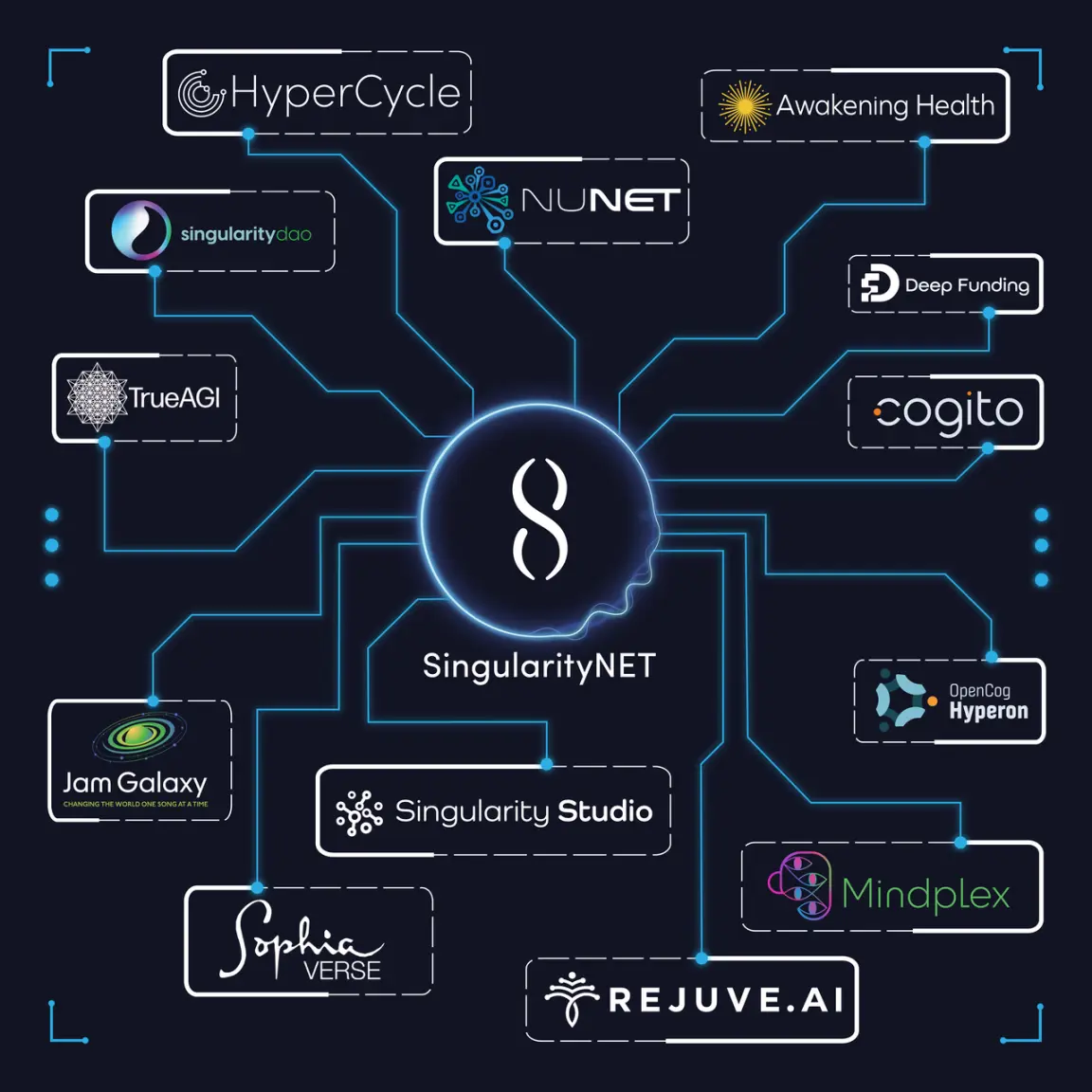
The application of AI in DeFi may become the main threshold for DeFi itself and AI applications. Security issues will attract more attention in future research, including research on intrinsic safety and external security. The applicability of AI in financial institutions requires more data to support it, but limitations due to security concerns have resulted in an insufficient number of experiments. We believe that issues that need to be paid attention to in the research of AI in DeFi include whether the application of AI can add value to the original liquidity of DeFi, whether the application of AI meets security requirements, and the relationship between the robustness and reliability of the system and security. What trade-offs will arise?
Impact of AIGC technology on privacy
- Data privacy and security issues: AIGC technology may leak personal privacy information, and strict privacy protection measures must be taken, such as encrypting user data, limiting the scope of data use, etc.
- Spread of misleading and false information: AIGC technology can quickly generate a large amount of natural language content, which may contain false information or misleading content. It is necessary to improve the quality and accuracy of AIGC technology, as well as strengthen the supervision and review of the content it generates.
Security issues of DeFi platform
- Vulnerabilities in smart contracts: The content generated by AI may have a certain degree of error and flaws. These flaws may lead to loopholes in the code in the smart contract, leaving opportunities for hackers to attack. It is necessary to strengthen the auditing and testing of smart contracts. .
- Robot attacks and fraud: Attackers can use AIGC technology to generate false natural language content, induce users to commit fraud or undermine system security. Security and preventive measures for AIGC technology need to be strengthened, such as enhancing user authentication and access control. wait.
Conclusions and Findings
We believe that AI technology will play an increasingly important role in the DeFi ecosystem. Specifically, we are optimistic about the application of AI in the following subdivisions:
- Market prediction and intelligent investment decision-making: AI technology can improve the accuracy of market trend prediction through machine learning and predictive analysis technology, and provide traders with technical and fundamental analysis services. This provides DeFi with the opportunity to automate trading and portfolio management.
- Automated auditing/security protection: AI technology can improve the speed and accuracy of smart contract audits through technologies such as NLP and image recognition, automatically improve the effectiveness of smart contracts, and reduce the error rate and fraud risk of KYC/AML.
- Fraud detection and credit scoring: AI technology can identify dishonest activities by analyzing trends in large data sets, and can also use credit scores to promote lending activities and provide more favorable loan prices.
- Automated portfolio management: AI technology can use machine learning predictive models for tasks such as portfolio planning, strategy evaluation, pool weight calculation, signal generation and sentiment monitoring, and build automated agents for active portfolio management.
- Distributed lending: AI technology and distributed ledger technology can work together to design smart contracts and improve indicators such as standardization, automation, data frequency and sensitivity to achieve more efficient loan operations. Regarding these tracks, Bing Ventures believes that the application of AI technology will bring higher efficiency, better risk control, more reliable investment strategies, and more standardized and efficient loan operations to the DeFi ecosystem. Among these subdivided tracks, we are optimistic about projects that apply AIGC technology to improve DeFi efficiency and investment accuracy.
Disclaimer: The information on this page may come from third parties and does not represent the views or opinions of Gate. The content displayed on this page is for reference only and does not constitute any financial, investment, or legal advice. Gate does not guarantee the accuracy or completeness of the information and shall not be liable for any losses arising from the use of this information. Virtual asset investments carry high risks and are subject to significant price volatility. You may lose all of your invested principal. Please fully understand the relevant risks and make prudent decisions based on your own financial situation and risk tolerance. For details, please refer to
Disclaimer.


