In the Western blockchain market, 71% is infrastructure projects, while in Asia, 67% is application and content projects.
Written by: JAY JO AND YOON LEE
Compiled by: Shenchao TechFlow
Recently, Tiger Research conducted an interview with Simon Kim, CEO of Hashed. This interview mainly covered Hashed’s investment strategy in Asia and its views on the Web3 market in multiple Asian countries. Deeptide compiled it.
Interview background: Hashed is South Korea’s largest crypto asset fund and community builder, actively investing in Web3 projects in Asia. Tiger Research is a research and consulting organization focusing on the Asian Web3 market.
Introduction
2023 is a critical year for seizing the opportunities and possibilities in the Asian Web3 market. Western countries have mainly maintained a conservative attitude and increased regulation of the cryptocurrency and blockchain industry. In contrast, Asia has taken a more open stance by reforming regulations and embracing Web3 markets. The year also saw the emergence of several Asia-focused Web3 initiatives, notably Hashed, which originated in South Korea and has grown into a global-level venture capital firm.
Hashed is unique among other global cryptocurrency ventures in having Asia as its primary focus. Its portfolio is comprised of a larger Asia team. Unlike other cryptocurrency venture capital firms whose portfolios are primarily focused on the North American market, Hashed has been actively investing in Asian founders and technologies. This study delves into Hashed’s position as a pioneer in the Asian Web3 market. In an interview with Hashed CEO Simon Kim, we explore the uniqueness of the Asian Web3 market and the opportunities it presents.
Hashed, Asia’s Web3 market leader

Since its founding in 2017, Hashed has shown special interest in the Asian market, actively investing in major Asian Web3 projects such as Vietnam’s Kyber Network, Sipher, Sky Mavis and Coin98. The extent of Hashed’s investment in the Asian market is evident, considering that most Asian crypto VCs funded by Asian partners are primarily focused on North American market portfolios.
By 2020, the company became a full venture capital firm by establishing Hashed Ventures and launching its first and second funds (totaling 360 billion won, or approximately $275 million). Notably, Hashed is not just a capital provider, but also a company builder and project accelerator. For example, it has played a catalytic role in revitalizing the Web3 ecosystem in Asian countries through various means, such as establishing the Web3 startup “Unopnd”, operating the think tank “Hashed Open Research”, operating the Web3 builder training camp project “Protocol Camp”, and hosting The community gathering “Hashed Potato Club” holds global blockchain events such as KBW (Korea Blockchain Week).
Recently, the company has accelerated its ecosystem expansion in Asia. In 2023, Hashed expanded physically outside of South Korea, opening offices in Singapore, India, and other key Asian hubs. This expansion is more than just an investment, it reflects Hashed’s commitment to work more closely with key stakeholders in Asia and become more actively involved in the development of the Web3 ecosystem in each country.
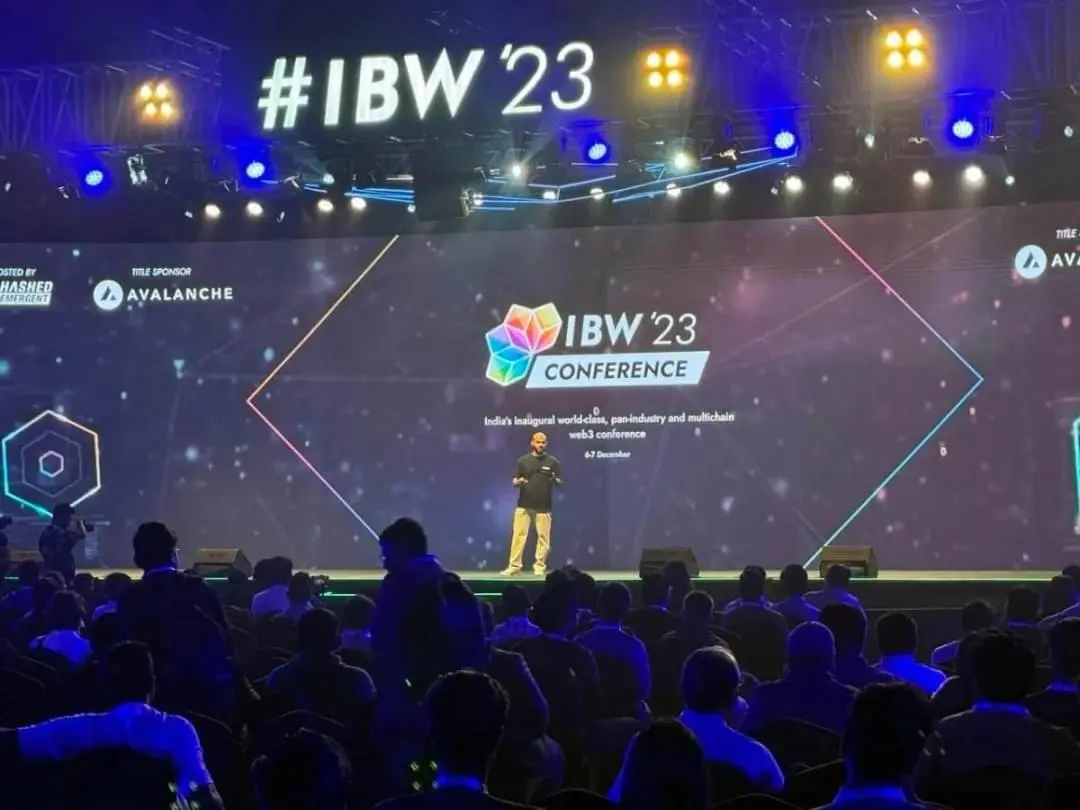
What’s particularly impressive is Hashed’s massive efforts to enter the Indian market. In 2022, the company launched Hashed Emergent, which now has more than 15 employees responsible for investment review and ecosystem support.
Today, Hashed Emergent has raised 512 billion won (approximately US$39 million) for investments in India and developing countries. In December 2023, Hashed Emergent organized the first India Blockchain Week to bring together India’s fragmented blockchain-related activities and showcase the potential of the Indian Web3 market to the world.
In Thailand, Hashed is also working with large financial companies to innovate Web3 technology. In September 2023, Hashed Emergent and Siam Commercial Bank (SCBX), Thailand’s largest financial holding company, jointly established Shard Lab to innovate financial infrastructure. These events demonstrate Hashed’s active and diverse initiatives in the Asian market.
Why Hashed focuses on Asia
Hashed CEO Simon Kim revealed why Hashed is focusing on the potential of the Asian market.
First of all, Asia is an important market for the popularity of Web3. This stems from the differences between the blockchain markets in Asian and Western countries. Western countries mainly focus on infrastructure projects, while Asia is more competitive in blockchain-based application and content projects. According to the proportion of Hashed’s investment portfolio, 71% of the Western blockchain market, including North America and Europe, is infrastructure projects. Asia accounts for 67% of applications and content projects.
This difference is critical to developing killer applications that can popularize the Web3 industry. Historically, the emergence of killer apps in the internet and mobile markets has driven explosive growth and development in related technologies, and Hashed believes Asia has the potential to continue this trend.
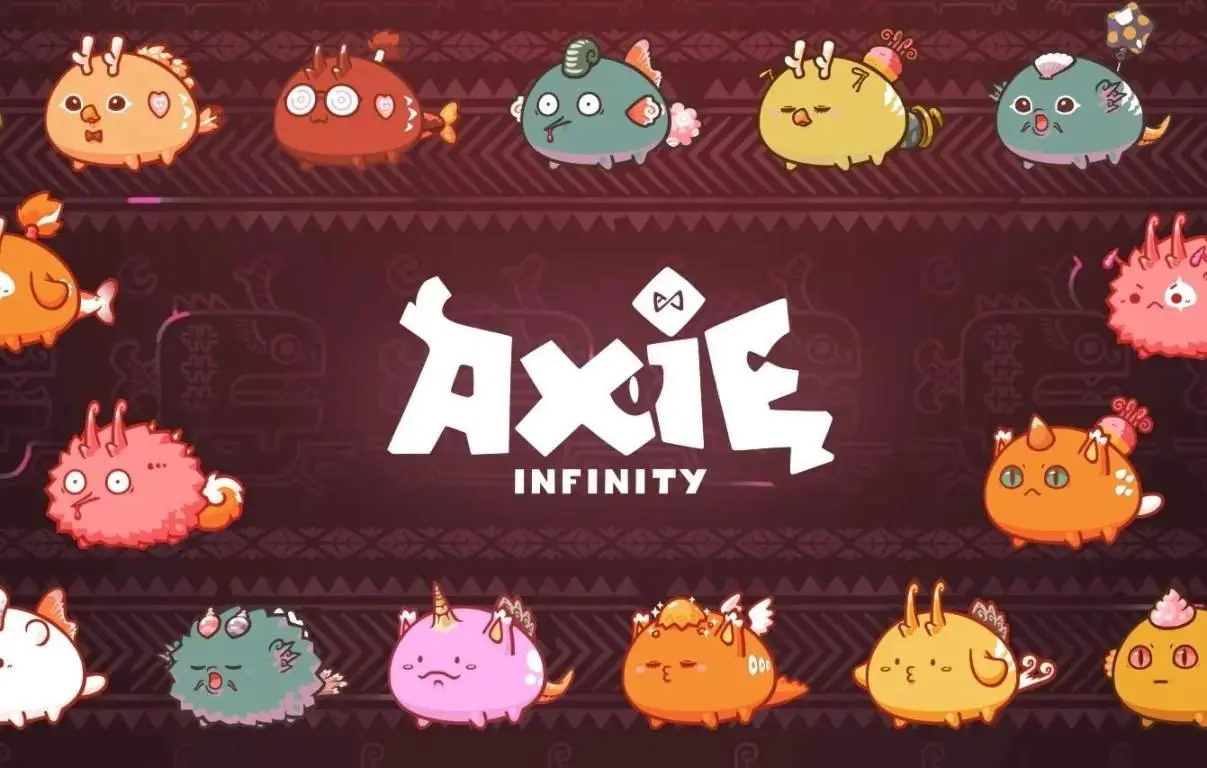
Next, he noted that Asian markets are characterized by being very responsive to new investment opportunities or mass retail-level experiences. This became even more apparent after the launch of P2E games such as Axie Infinity. Southeast Asia, in particular, has been the center of the P2E gaming craze, with many people from Vietnam, the Philippines, and Indonesia flocking to the Web3 ecosystem. It is worth noting that in India, more than 100 million people have been exposed to the cryptocurrency market and actively participated in investment activities.
Major Asian gaming companies have also been quick to recognize this opportunity and have entered the P2E gaming market more aggressively than their Western counterparts. For example, Korean companies such as WeMade, Nexon, Netmarble, Neowiz and Com2Us are leading the P2E gaming market. This once again demonstrates the flexibility of the Asian market. In addition, Asia accounts for more than 60% of global cryptocurrency trading volume, and the number of cryptocurrency holders is approximately five times that of North America. This shows how agile Asian markets are in identifying new opportunities.

Finally, Asia is a standout market where companies are leading the way with experimental Web3 initiatives. Global leading companies such as South Korea, Japan, Thailand, and Singapore are participating in the Web3 ecosystem in various ways. In South Korea, conglomerates such as Samsung, SK, LG and Rakuten, as well as global gaming companies such as Nexon, Netmarble and Krafton, have a strong presence in the Web3 market.
Alongside Asian companies’ Web3 initiatives, their experimentalism and openness are noteworthy. Even if they don’t run Web3 businesses themselves, Asian companies are willing to incorporate blockchain technology where they deem it necessary. They view blockchain as a component that can be applied on a case-by-case basis. This approach is called “Web2.5” and is a concept between Web3 and Web2.
This flexibility of use is seen as a hallmark of the Asian market and provides a wide range of companies with easy access to the Web3 ecosystem. The recent launch of the Web3 wallet by Grab Singapore is a good example of this trend. Kim believes that these factors make Asia a more promising market for Web3 adoption than the West.
Hashed Opportunities in Key Asian Markets
While Hashed is excited about the mass adoption of Web3 that the Asian market will bring, it is also paying close attention to the unique characteristics and opportunities of each region in Asia, especially in Japan, India, Thailand and the Middle East. Here’s an overview of some of the opportunities Hashed is taking advantage of in these countries.
Japan: Government policies promote the revitalization of Web3 and a market with strong content capabilities

Japan is a market where government policies are expected to revitalize the Web3 market. Many large Japanese companies are actively participating in the Web3 market, which means new partnership opportunities are growing. Hashed is also keeping an eye on these developments and potential investment opportunities.
Japan’s strength in content is particularly noteworthy, especially given the entry of major Japanese game companies into the Web3 market. Many top game companies, including SONY, Bandai Namco and Square Enix, have established Web3 game development studios and actively participate in ecosystems centered on Japanese blockchain mainnets such as Oasys and Astar Network. Additionally, SBI Holdings’ recently announced $663 million Web3 fund is also a factor to keep in mind.
India: The Brain Factory of the Global Market, the Birthplace of Web3 Infrastructure Projects

India is the center of the global IT industry and an emerging Web3 market. According to Kim, the country has advantages from a builder’s perspective. India has the second largest number of developers after the United States, with nearly 13.2 million. This was evident at the recent India Blockchain Week hackathon organized by Hashed Emergent. While a typical hackathon has 100-200 participants, this event attracted over 2,500 people, more than 10 times the average number of participants, which is a testament to the size of the Indian developer community.
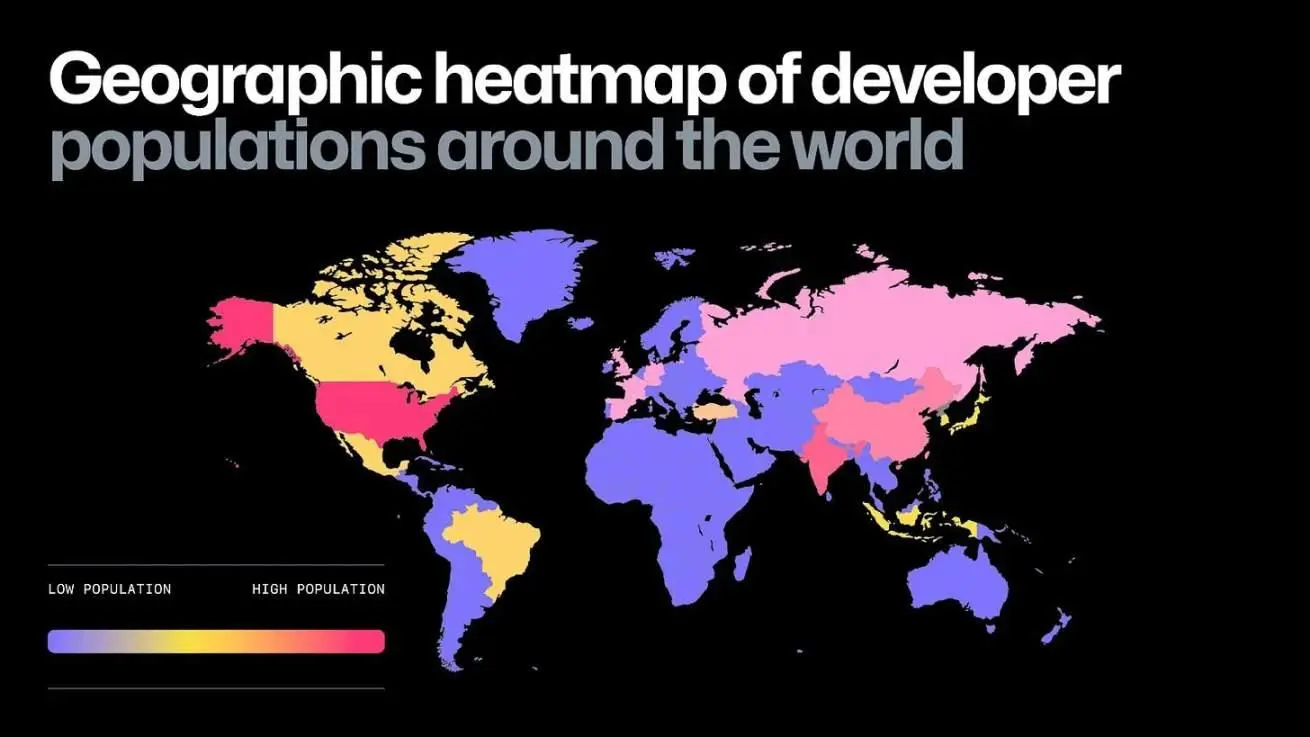
He also noted that unlike other Asian countries, India has impressive capabilities in IT infrastructure and systems engineering. India has successfully launched global Web3 infrastructure projects such as Polygon, and this success has attracted many Indian developers to enter the Web3 market. Not only their development skills but also their data-driven, computational thinking and global leadership are noteworthy.
When speaking with Indian founders, Kim was impressed by their ability to analyze and communicate data in a more three-dimensional and multifaceted way that goes beyond obvious metrics. According to Kim, the potential of the top 0.1% of India’s population may even be higher than that of the top 0.1% of the United States. However, India still lacks the institutional foundation for the cryptocurrency market, with weak social infrastructure and high tax rates. Therefore, the development of the internal market looks like it will take some time.
Nonetheless, India is a promising market globally and is expected to emerge as an innovation powerhouse. In response, Hashed invested heavily in the Indian Web3 ecosystem and established Hashed Emergent. The company has also hired many Indian employees and currently has over 30 India-focused portfolios.
Thailand: A market characterized by government and traditional finance driven Web3 initiatives

Thailand is one of the Web3 markets that Hashed has been focusing on lately. Thailand is particularly enthusiastic about cryptocurrencies, with 22% of Thai citizens owning cryptocurrencies, well above the global average of 12%. The country is also home to several Web3 initiatives focused on government and traditional finance, a point further emphasized by the recent election of a pro-crypto figure as prime minister. In fact, the Thai government has announced plans to provide a basic income by distributing cryptocurrency to all citizens. Commercial banks such as Siam Commercial Bank and Kasikornbank are also active participants in the Web3 ecosystem.
Against this background, Hashed is looking for new opportunities in the Thai Web3 market. In particular, Kim hopes to develop Web3 ventures and create new Web3 opportunities with key ecosystem players by leveraging the strength and dynamism of the Thai market, rather than simply investing. Most recently, Hashed joined a project with Thai financial holding company SCBX to transform Thailand’s financial infrastructure to Web3.
Middle East: A market featuring state-led Web3 initiatives, backed by sovereign wealth funds

Lately, the Middle East has been changing the Web3 market. These changes are mainly concentrated in the United Arab Emirates and Saudi Arabia. According to Kim, these countries are actively promoting industrial diversification strategies at the national level as they face the depletion of oil resources. For them, moving to new industrial and financial systems is not an option, but a necessity. Unlike other countries that approach the Web3 market cautiously, Kim said these countries are moving quickly at the national level to promote the development of Web3 technology.
The UAE is becoming an important strategic location for Web3 companies, similar to Singapore’s role in the Middle East. This has attracted many global Web3 companies to set up their headquarters in the UAE. South Korea’s Wemade and Neowiz have also set up offices in Abu Dhabi. Dubai is home to more than 600 global Web3 companies, including Binance, which is located at the Crypto Center at the Dubai Multi Commodities Center (DMCC).
The United Arab Emirates, in particular, is actively developing innovative Web3 guidelines at the national level and is striving to become one of the most Web3-friendly countries in the world. This is because the Web3 market is a high-risk area with regulatory uncertainty. In order to become a global hub, it is imperative to provide safe and leading guidance quickly. Additionally, strong financial support from the UAE’s sovereign wealth fund has led to growing global investment and interest in the region. Adding to the excitement, Abu Dhabi’s accelerators and co-working spaces are also attracting developers from around the world.
Next, Mr. Kim identified Saudi Arabia as an important market because it has the largest retail market in the Middle East. Previously, this market did not receive much attention due to its closed nature. Things have changed since Crown Prince Salman came to power, and reforms and innovations are underway. In 2019, the kingdom issued tourist visas for the first time in its history and is implementing a more open policy.
These factors are why Hashed is focusing on the Middle East market. Hashed said it will continue to focus on investments, Web3 developer training and startup building projects to expand Web3 opportunities in the region.
2024 is a year of harvest

CEO Simon Kim believes the market will be different in 2024. He was particularly careful to note that the cycle centered around Bitcoin’s halving will become blurred. This is because Bitcoin supply halving will not have the same impact as it did in the past. With more than 90% of Bitcoins already mined, trading volume reaching trillions of dollars, and institutional investors eagerly entering the market, a sudden price increase seems unlikely. More important, he said, is the increase in real-life demand and mass adoption.
In particular, he noted that the influx of institutional investors has created tremendous liquidity and demand is exploding as companies accelerate their entry into the Web3 market. For example, Blackstone Group’s application for a Bitcoin ETF shows that institutions are identifying cryptocurrencies as a major investment asset class. In the Web3 retail space, it is also noteworthy that global enterprises are beginning to adopt Web3 wallets. As technology companies with hundreds of millions of users, such as Telegram, Paypal and Grab, enter the Web3 market, a large influx of users is expected.
The areas that Kim is most excited about are:
- Web3 games
- Financial innovation based on stable currency
- Accelerate Web3 adoption for enterprises
For Web3 games, Kim has particularly high expectations. The game market has always been one of the most innovative and challenging markets, and is most likely to bring about the popularity of the Web3 market. From the 386 computers of the 1980s to today’s smartphones, gaming has always been the vanguard of new platforms. The current revenue split between games and non-game apps on the Apple App Store and Google Play Store shows that games are the bigger money-making machines. It should also be noted that linking in-game assets to real-world assets is now second nature. In the past, combining finance and gaming was difficult. Now, with the development of Web3 technology, it is expected that a large number of content and financial fields will merge and create synergies. For example, the P2E game Axie Infinity is used as a way for people without financial accounts to earn financial income through the game and accumulate basic assets while having fun.

Next, financial innovation around stablecoins is expected to accelerate. Although there are currently no clear guidelines for issuing stablecoins, some Asian countries, such as Japan, Hong Kong and Singapore, have created a favorable environment for stablecoin issuance. Notably, stablecoins like USDT continue to hit new all-time highs in market capitalization. As digital wallets become more widely adopted, they are expected to revolutionize the world of consumer finance.
Finally, enterprise-oriented Web3 adoption is also expected to increase. In particular, the use of Web3 components by non-Web3 companies increases. Web3 companies had a high barrier to entry due to their uniqueness, but now they are widely accessible to both regular enterprises and startups. Some use cases are the issuance of stablecoin-based payment components and NFT memberships by companies such as Shinsegae and Rakuten Group. This move is likely to further accelerate the landscape of leveraging blockchain technology components as business tools.
in conclusion
In this interview with Kim, CEO of Hashed, we discuss the importance of the Asian market and predictions for the Web3 market in 2024. While Kim is excited about the potential of the Asian market, he also emphasizes the need to engage and collaborate with Western markets, rather than focusing solely on Asia. Western infrastructure projects will ultimately need to introduce competitive applications and content to activate their ecosystems. Instead, Asian projects need solid infrastructure to bring their applications on board, and experienced open source developers to support them. It’s clear that Asia will bring Web3 popularity in the coming years. Under such market conditions, it is expected that Hashed, as the leader in the Web3 market in Asia, will be worthwhile in its efforts to connect the East and the West.


