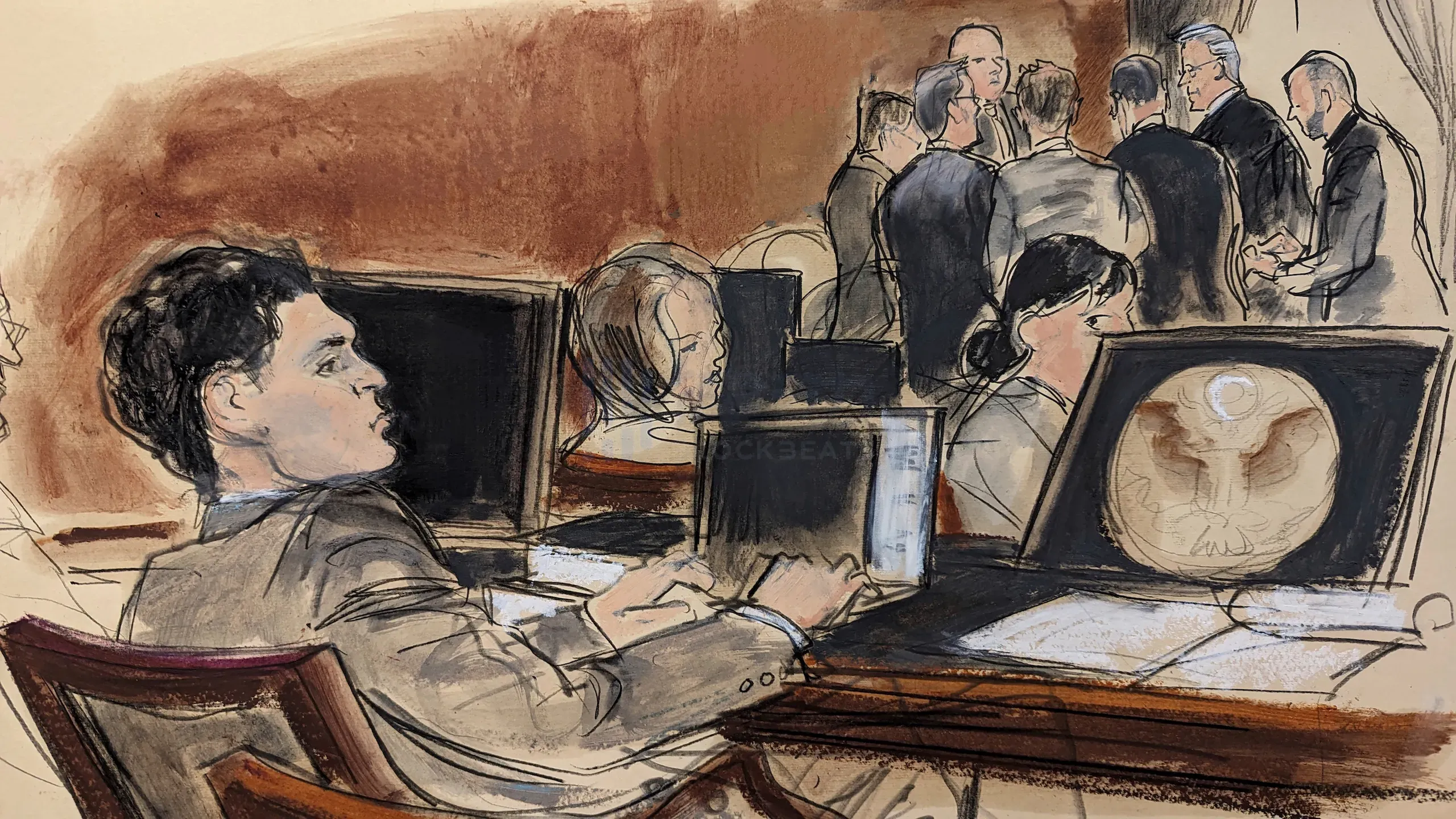
Yesterday, SBF testified in court. This is an important event in the three weeks since the FTX case, and BlockBeats has compiled the relevant materials as follows:
will be asked to answer core questions
Previous filings show that Judge Lewis Kaplan, who is in charge of the case, allowed defense attorneys to ask SBF questions about FTX’s operations and how the company’s attorneys were involved in making those decisions. The issues included the automatic deletion policy of Signal and Slack messages used by FTX, the opening of North Dimension and its bank accounts, loans made by FTX and Alameda Research to its executives, and other issues.
SBF’s defense team sought to argue that SBF had no intention of defrauding clients or investors and that part of its efforts to run the company relied on the advice of attorneys. In this appearance, SBF is expected to testify on whether he knew that the lawyer was involved in certain aspects of FTX’s operations, his understanding of industry practices, his intentions regarding FTX’s funds at the time of FTX’s collapse, and his knowledge of FTX’s and Alameda’s finances.
Rare, no jury present
This may be due to the fact that there has been a disagreement between the defense and the prosecution over whether to use SBF’s interaction with counsel as a fair topic of discussion in the defense cross-examination. The judge decided to cross-examine the witnesses without the jury present, and around 2 p.m. ET, SBF testified in the Manhattan courtroom, but the jurors were then sent home.
Judge Lewis Kaplan told the jurors, "It may be a little surprising, but you guys have rest for the rest of the day. Lewis Kaplan also explained that this may be the first time in a long time, and perhaps even since he became a judge.
4 hours of testimony with incomprehensible explanations
Earlier Thursday, SBF attorneys in the FTX case told the judge in court that SBF’s testimony would take about four hours to address all issues. When confronted with questions from his lawyer, SBF was clear and fluent.
During direct questioning by lawyers, SBF repeatedly invoked FTX General Counsel Daniel Friedberg for his role in key business decisions. According to him, Friedberg was responsible for merging North Dimension, an Alameda subsidiary, whose bank accounts were used at one point to accept deposits from FTX users. He also prepared an application for a North Dimension bank account.
But when it comes to answering the prosecution’s questions later, SBF is “incomprehensible.”

SBF has denied knowing exactly why North Dimension was created, or even the origin of its name, claiming that all he did was sign some documents provided to him by his lawyer: “I have a lot of things passing by my desk every day and I believe they are in the right form”.
Commenting on the particularly contentious dialogue between the defence and the prosecution over the scope of cross-examination, the judge said that “witnesses have what I call an interesting way of answering questions”.
During the posthumous cross-examination of SBF by Assistant Prosecutor Danielle Sassoon, SBF was asked to directly answer whether the payment agency agreement between FTX and Alameda Research provided that Alameda could use customer funds.
Faced with this central issue, SBF said it was “unable to determine its own explanation”.
When answering other questions, SBF stops to talk to itself, often giving long and winding answers – with words like “probably”, “I think” and “according to my best estimate”.
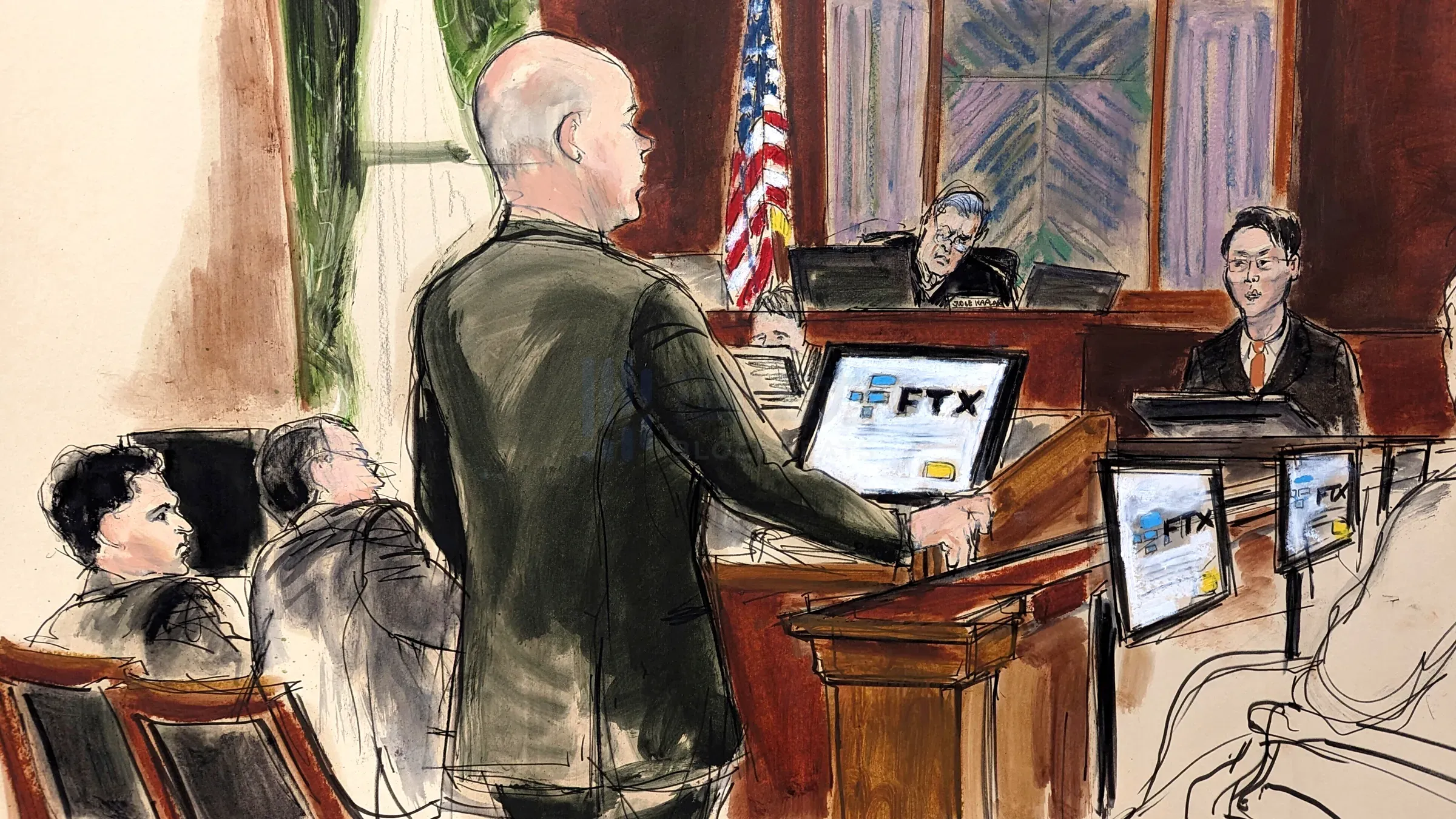
The most SBF says is, “I don’t remember.” SBF testified in court that he did not recall discussing the closure of Alameda Research with his senior deputy via the Signal messaging app in 2022, WSJ reported. When asked if he remembered a conversation about how the company’s $13 billion disappeared, he said, "I don’t. 」
On the day of the trial, when the jury’s alibi decision was announced, Judge Lewis Kaplan added, “We are in the final sprint”.
Disclaimer: The information on this page may come from third parties and does not represent the views or opinions of Gate. The content displayed on this page is for reference only and does not constitute any financial, investment, or legal advice. Gate does not guarantee the accuracy or completeness of the information and shall not be liable for any losses arising from the use of this information. Virtual asset investments carry high risks and are subject to significant price volatility. You may lose all of your invested principal. Please fully understand the relevant risks and make prudent decisions based on your own financial situation and risk tolerance. For details, please refer to
Disclaimer.


