Original author: Deep Tide TechFlow
DePIN, a decentralized physical infrastructure network whose operation and maintenance relies on token incentives. In fact, it’s not a new story, with various blockchain-based hardware infrastructures popping up since 2017 that have never been at the center of the narrative.
But why is it being mentioned again this year? We can also see Messari suggest that DePin is one of the most important areas for crypto investment in the next decade.
Personally, I think there are two reasons:
-
With the precipitation of technology, various infrastructures are better than in the early years, paving the way for DePin’s technical level;
-
Although BTC has introduced new traffic, for ordinary people, they are still more willing to believe in what they can see with their own eyes, NFT is one of them, and DePin is another.
Recently, the price of DePIN projects has fluctuated greatly, especially Hivemapper in the Solana ecosystem, which has risen by an astonishing 233.4% in the past seven days. Solana also takes DePin very seriously, and new analysis from CoinEx points out that the focus of the Solana ecosystem is mainly focused on DeFi, Memecoin, and DePin.
Some of the established DePin projects are also moving closer to Solana. For example, Render Network, the largest GPU-computing DePin project, voted to scale from Polygon to the Solana blockchain. In addition, the wireless network Helium successfully migrated to Solana, minting nearly 1 million NFTs in the process.
These signs suggest that more attention will be focused on DePIN on Solana.
Getting involved early often means more opportunities for profit, so let’s take a look at the native DePin landscape on Solana.
1.Hivemapper
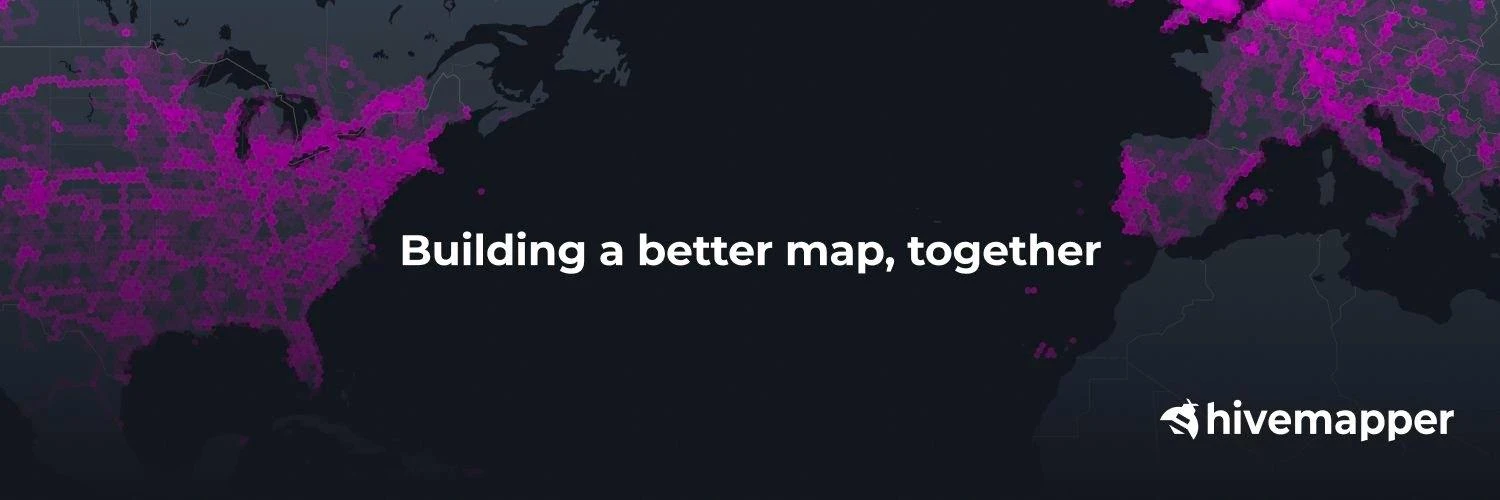
Hivemapper is a blockchain-based map network that is collected through Hivemapper’s dashcams, and collectors are called “map contributors”. Due to its permissionless nature and token incentives, it is more efficient than current Web2 solutions, and the total map area covered by Hivemapper is currently approaching 90 million kilometers.
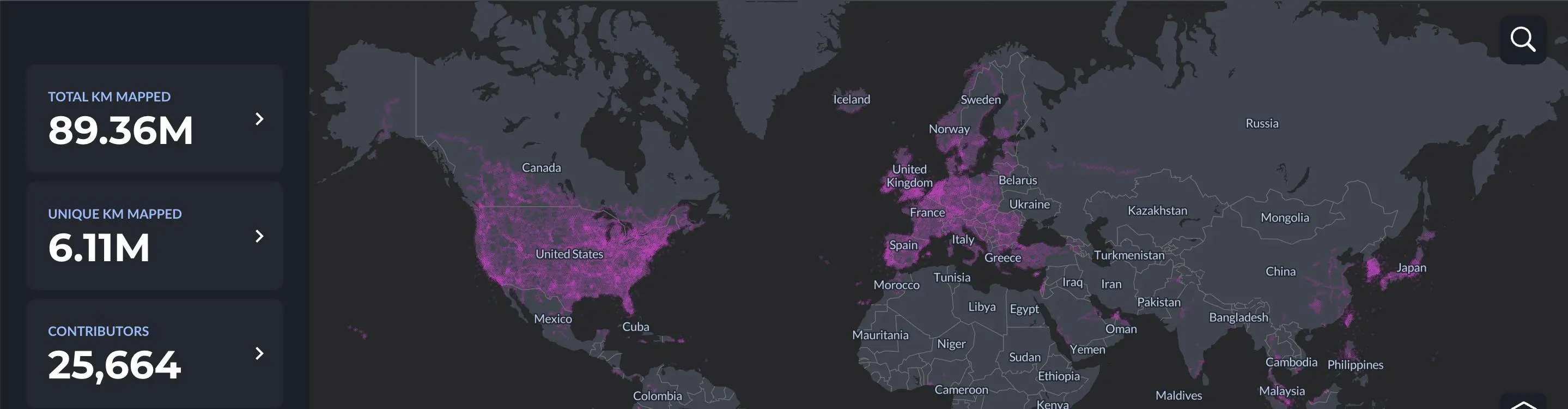
The Street View data captured by the Hivemapper dashcam is uploaded to the project team’s database, where it is screened by AI and finally provided to map manufacturers, autonomous driving and other data users, who are called “map consumers”.
The project was established in 2015. Its most recent funding round was a Series A funding round of $18 million on April 5, 2022, led by Multicoin Capital.
HONEY is Hivemapper’s native token, which rewards map contributors for constantly contributing fresh, updated information to their map network, which is the source of the tokens. Map consumers are where the tokens go, they need to burn HONEY tokens to get the API, and the burned tokens are reminted to increase the number of tokens that reward contributors.
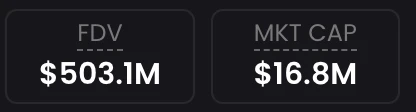
HONEY is a typical Solana eco-token, as can be seen from the gap between FDV and market cap in the chart below. Although the total amount of HONEY is 10 billion, less than 200 million have been mined due to the incentive mining mechanism, which is one of the reasons for the huge gap between HONEY’s FDV and market capitalization.
In the future, the project team can control the release rhythm of token mining, so that the value of the token can be stabilized and grown.
2.Teleport
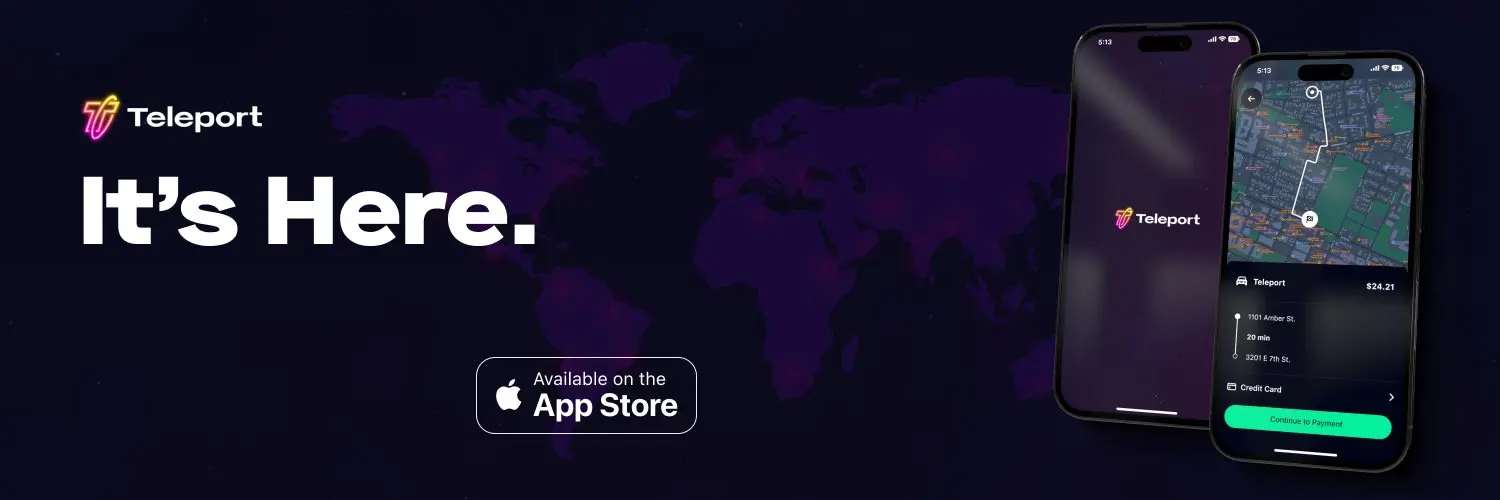
With decentralized mapping, decentralized ride-sharing apps have emerged, such as Teleport, which is now available on the Apple Store.
Teleport is a license-free ride-sharing app that is owned and managed by its drivers, passengers, and developers. On October 27, 2022, Teleport closed a $9 million seed round co-led by Foundation Capital and Road Capital.
Teleport founder Paul Bohm argues that the current ride-sharing giant Uber is “essentially a monopoly – it’s very centralized” and that in the ride-sharing industry, intermediaries can often take more than 40% of the commission, and that the money doesn’t go to drivers and passengers, it goes to multinational intermediaries like Uber.
As a result, Teleport has built Shared Mobility Agreements (TRIPs) that benefit drivers, passengers, and the local regional economy, while being autonomous by participants. As an example, centralized ride-sharing services often don’t allow the market to set a fair price, instead, they (Uber) set the price themselves and maximize the value they can extract. Redesigning carpooling to be decentralized means that participants can choose from a variety of applications and servers that communicate with each other from many different vendors. More money goes to drivers, passengers pay less per ride, and more money stays in the local economy.
The protocol will first be applied to the Teleport platform. Those who participate in the operation and development of the network will receive TRIP rewards, which are automatically issued by the protocol, and some TRIP rewards may be presented in the form of NFTs, such as earning the “Go Around the City” achievement.
These TRIP rewards also represent participation and voting power in the network. General governance, including protocol upgrades, authorization process changes, changes to basic network parameters, all require voting.
At present, the project has not released tokens, and you can follow the official website Twitter to get the latest information in time.
3.Tekkon
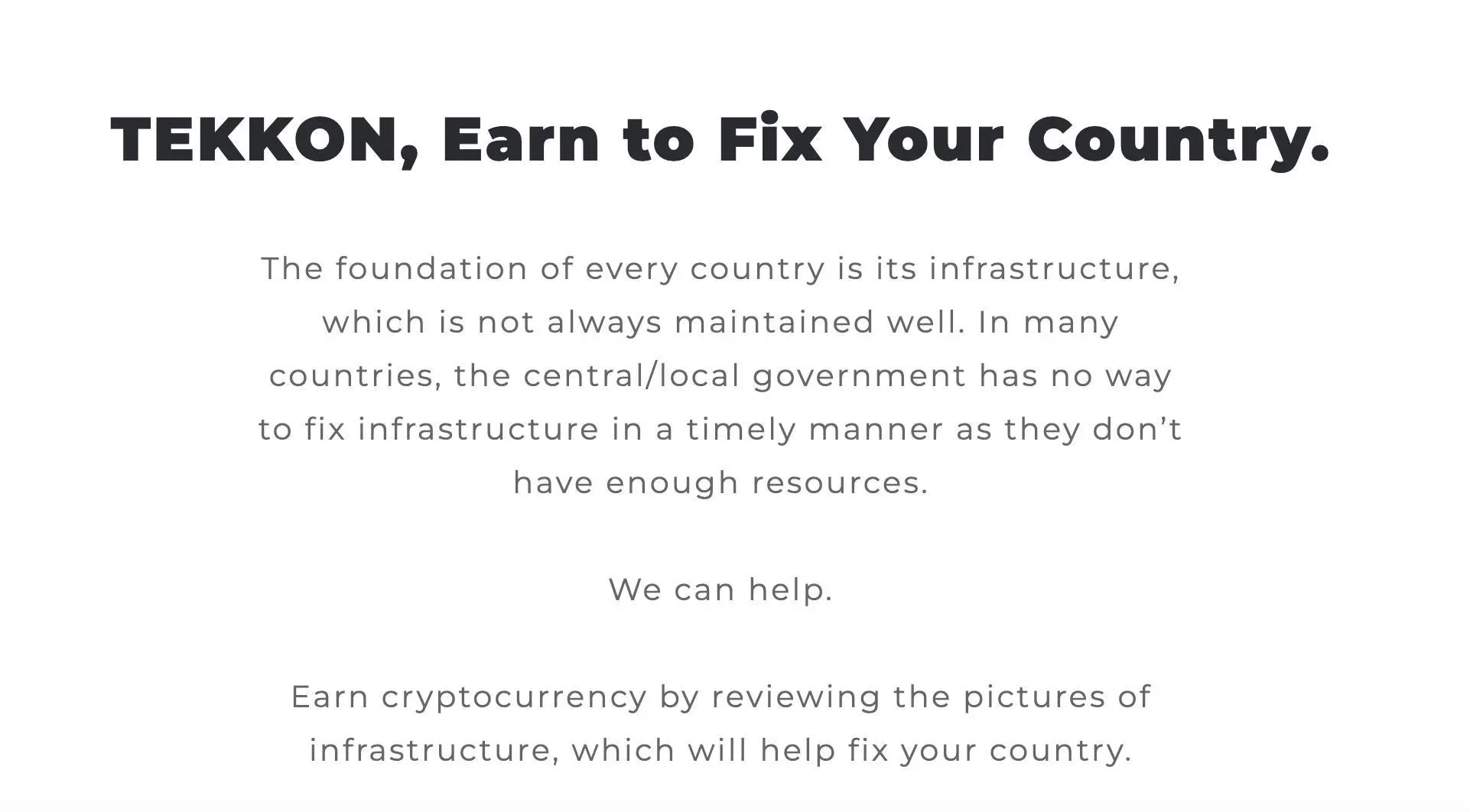
Tekkon is a Japanese project where users can earn token rewards by taking photos of local infrastructure, such as power poles, manhole covers, etc., or reporting damaged infrastructure, while helping to make the local area better. Like the ones written in the image above, “Fix your city by making money”, Tekkon fan users jokingly refer to the process as Fix and Earn.
Tekkon was launched late last year by the Whole Earth Foundation, a non-profit organization founded by Takashi Kato. The Japanese entrepreneur previously founded Fracta Inc. , a startup that uses software to identify weak links in a city’s water network, helping cities, utilities and construction companies pinpoint pipe decay before breaking ground.
Thanks to the token rewards, the app has gained a warm welcome in the Philippines, where locals have formed an organization to photograph damaged infrastructure, known as infrastructure hunters. According to data previously reported by Bloomberg, Tekkon has over 128, 000 active users, 90, 000 of whom are from the Philippines. About 30, 000 photos are uploaded every day.
Whole Earth Coin (WEC) is Tekcon’s reward token, and in Japan, WEC can be exchanged for cash on Line Pay.
It has an initial mintage of 300 million and no maximum number. When the initial token is used up, the system will issue new tokens to reward users if the number of users continues to increase. Of the 300 million tokens in the initial offering, 20% went to ecosystem development, 20% to in-app Fix and Earn, 25% to the public sale, 15% to the private placement, and the last 20% to the team.
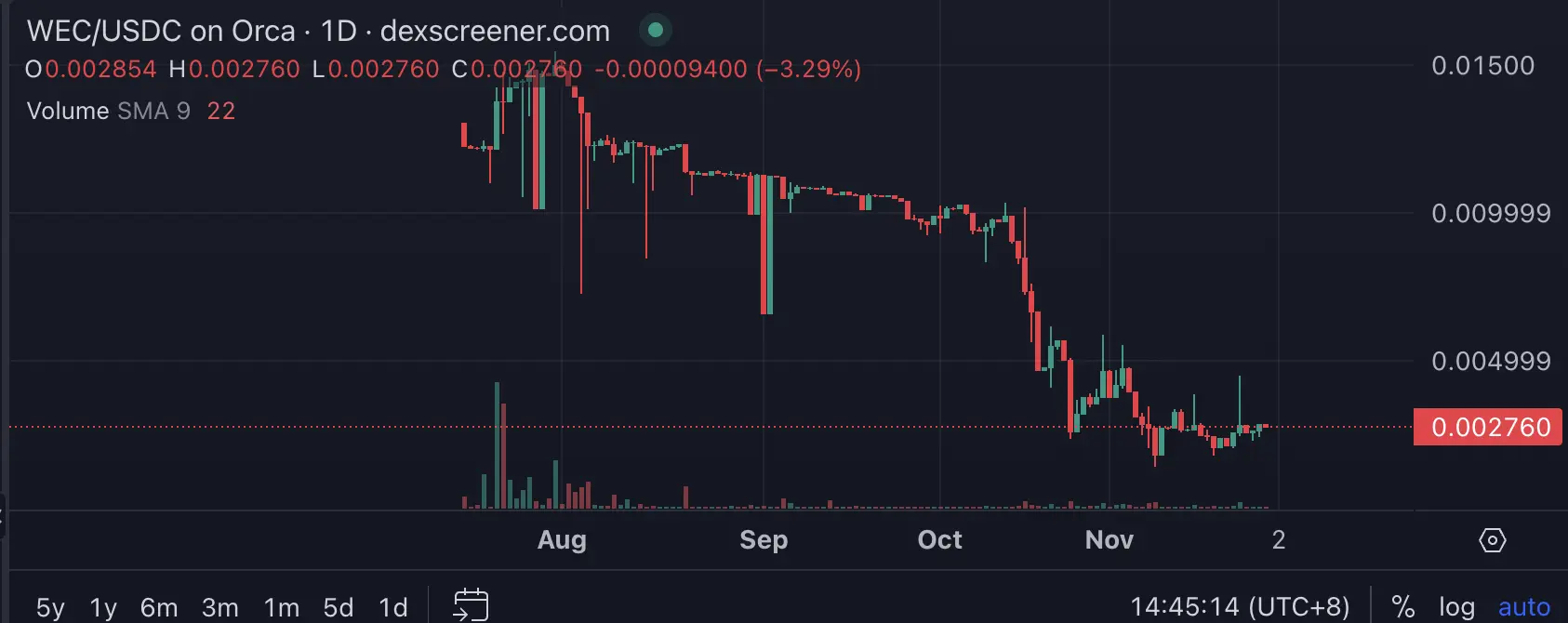
WEC also has an in-app burning mechanism, and actions such as upgrading, skipping cooldowns, etc., will cause WEC to be destroyed. However, the lack of use cases is one of the shortcomings of WEC, relying on the game’s burn mechanism alone may not be able to catch up with the production of tokens, and the excessive allocation of initial tokens, and the excessive allocation of initial tokens also brings a certain amount of selling pressure, which is reflected in the price chart.
Tekkon promises to give more features to the token and form a complete set of ecological flywheels, such as utilities using WEC to purchase infrastructure photo data, and Tekkon tokens to burn or further reward infrastructure hunters, so as to attract more utilities and other companies to participate. This shows that Tekkon plans to build a more complete and sustainable ecosystem.
4.Helium

Helium, a decentralized wireless hotspot network, can be called the OG of the DePIN plate, dating back to 2013 and operating as an L1 until then.
On April 20, 2023, Helium announced the completion of the migration to the Solana network (HIP 70), and developers expressed their preference for the Solana network because of its large ecosystem, integration of developers, applications, and teams, and the fact that it is cheaper and faster than other chains.
The Helium Network Token (“HNT”) is the native cryptocurrency of the Helium Network with no pre-mining and a maximum supply of 223 million. The only way to pay for data transfer in the Helium network is to burn HNT earned Data Credits (DC) to pay for data transfer. Data credits are priced at a fixed price in USD (1 data credit = $0.00001) and are non-transferable and can only be used by their original owner.
Previously, HNT was rewarded for deploying a hotspot network, but after HIP-52, the native token HNT will no longer be mined by LoRaWAN or 5G hotspot hotspots, and will be replaced by IOT and MOBILE, which is the protocol token of the Helium IoT network and MOBILE which is the protocol token of the Helium Mobile network.
The multi-token model allows each wireless network to be governed separately to facilitate better decision-making by the DAO, and each sub-network can manage its own Proof-of-Coverage rules, data pricing, and hotspot mining reward distribution mechanisms.
WHEN DEPLOYING OR OVERLAYING NETWORKS TO OBTAIN NETWORK TOKENS SUCH AS IOT AND MOBILE, THEIR NETWORK TOKENS CAN BE EXCHANGED FOR HNT. This architecture provides a floor price of value for the network token.
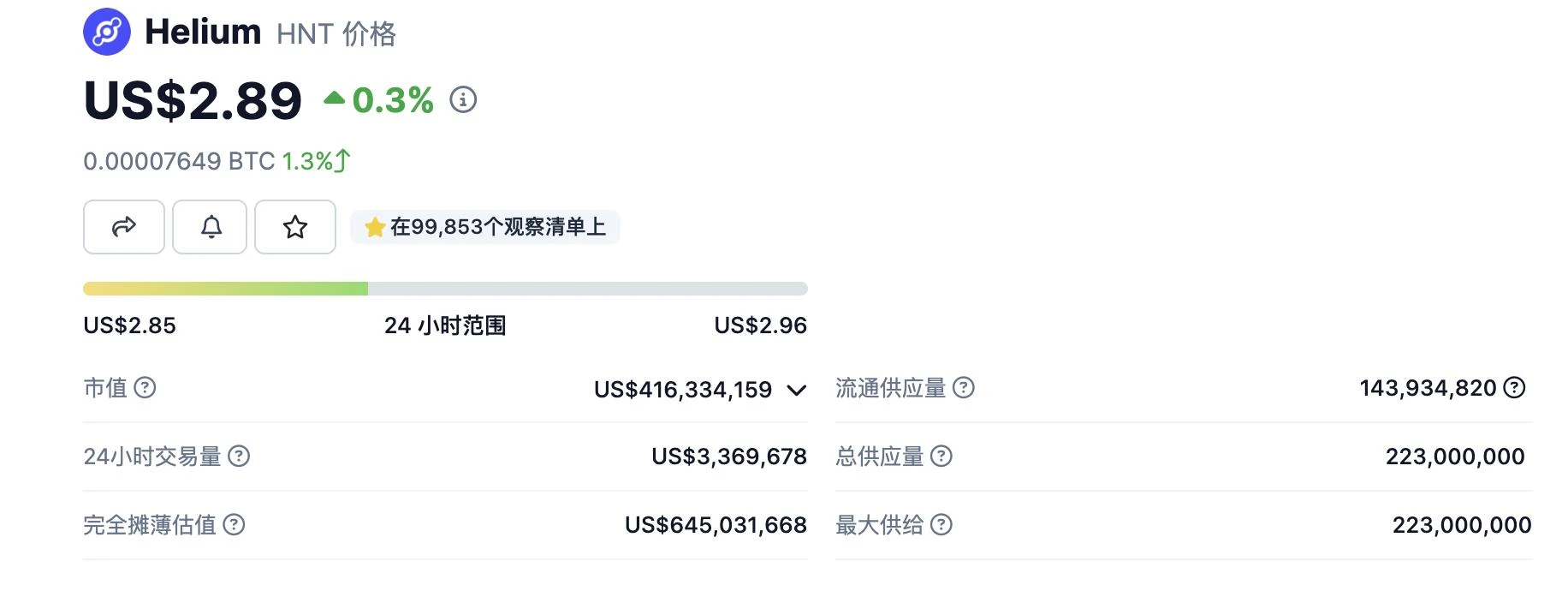
Currently, Helium has a market capitalization of about $420 million, making it the largest DePIN project in the Solana ecosystem.
·


