


History of Crypto Advertising Sponsorships: A Cyclical Experiment in Buying Attention and Legitimacy
Author: Zen, PANews
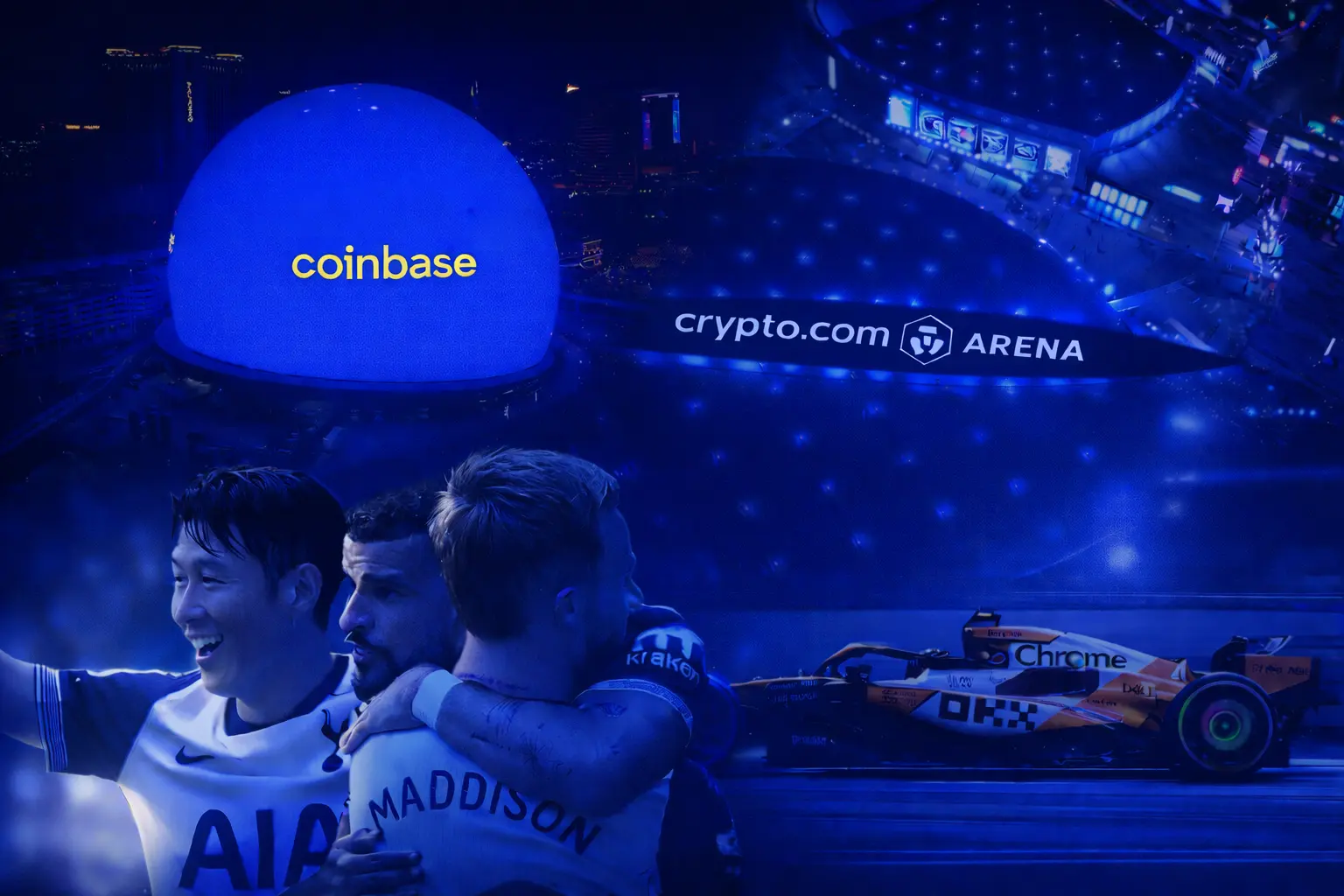
In February 2026, when Coinbase’s advertisement once again flashed on the giant LED screens of the Super Bowl, accompanied by the Backstreet Boys’ classic hit with the slogan “Crypto. For everybody,” the audience responded with mixed feelings—more negative than positive—marking a stark contrast to the wild night four years earlier, dubbed the “Crypto Bowl.”
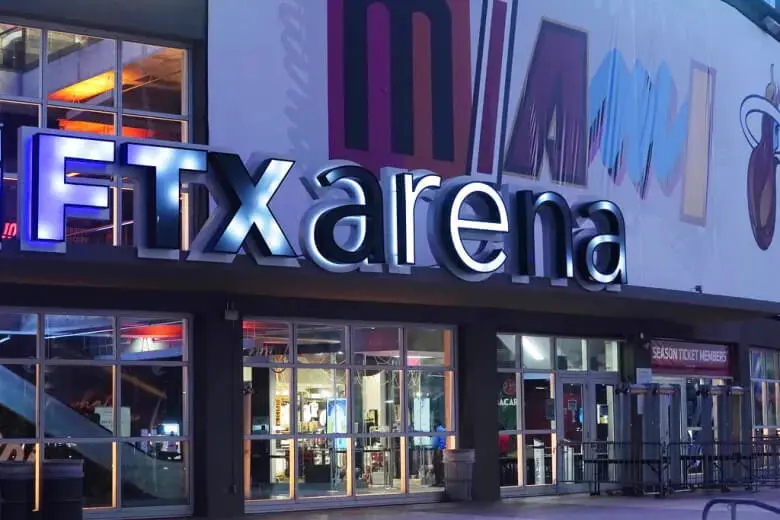
At that time, FTX’s logo was prominently displayed above the Miami Heat arena, as crypto companies waved large checks, attempting to buy decades of trust from mainstream society within days. However, subsequent collapses, lawsuits, and arena renamings turned this “attention experiment” into one of the most expensive jokes in sports history.
On the surface, it was a branding effort, but in essence, it was more like a stress test: when sponsorship embeds financial narratives into the daily lives of fans and viewers, trust is amplified. Fundamentally, this is a long-term experiment on “high-risk financial products gaining attention and legitimacy through high-trust public institutions.”
Crypto Sponsorships: From the “Big Spender” Era
In 2021, with the emergence of a phenomenal bull market, rapidly capital-raising crypto companies began to aggressively penetrate sports and cultural fields. Cryptocurrency exchanges and blockchain projects started directly branding top leagues, major stadiums, and global sports broadcasts—some of the most expensive and visible public attention channels.
In March of that year, Miami-Dade County signed a 19-year stadium naming rights deal with FTX, renaming the Miami Heat’s home as FTX Arena. This transaction, which integrated a crypto company into a city landmark, marked the first large-scale entry of crypto advertising into mainstream urban public spaces.
That summer, Crypto.com announced a fight kit partnership with UFC, disclosed by CNBC as a 10-year, approximately $175 million deal. In traditional sports, such sponsorship levels are among the most core commercial assets. Later, in October, Coinbase established multi-year official partnerships with the NBA and WNBA, with their logos prominently displayed on basketball court bases.
In November, the renaming of Staples Center to Crypto.com Arena further reinforced this crossover. This arena is not only the home of the Los Angeles Lakers, a top-tier team, but also a major cultural landmark for entertainment and music in Los Angeles. The naming rights directly linked crypto brands to the heart of sports and pop culture.
During the same period, European football also began rapid integration. For example, Binance became the main sponsor on Lazio’s jersey front, promoting fan tokens and interactive rights, merging exchange sponsorship with Web3 product narratives into a single commercial chain.
By 2022, this trend continued upward, reaching a peak at the global event level. Crypto.com became a global partner of the F1 Sprint series and secured official sponsorship of the 2022 Qatar World Cup, marking crypto companies’ first official entry into the world’s largest single-sport event with near-universal reach.
The massive marketing push by the crypto industry quickly hit a turning point at the end of 2022. The FTX collapse quietly turned its sponsorship rights into liabilities. In January 2023, a bankruptcy judge officially terminated the Miami-Dade County FTX sponsorship agreement, and the arena entered a process of de-FTX branding and re-marketing. This incident became a negative case study in sports and cultural sponsorship history.
After 2023, the industry as a whole entered a phase of contraction and reassessment. Many collaborations shifted from stadium naming rights and top-tier event sponsorships to more quantifiable ROI formats such as jersey sleeve patches, training gear, digital content rights, and fan engagement activities. Sponsors also emphasized compliance and sustainable exposure.
In football, OKX’s partnership with Manchester City exemplifies this more controlled approach: from official training kit collaborations in 2022 to subsequent expansion into higher-exposure sleeve sponsorships, the process resembles a gradual upgrade rather than a reckless gamble. From a macro narrative perspective, the main theme shifted from omnipresent crypto ads to how sports and cultural institutions can reprice their revenue, reputation, and compliance risks.
In recent years, a more subtle change has emerged. Crypto sponsorships haven’t disappeared but are increasingly packaged with stablecoins, compliant products, and brand credibility to re-establish mainstream relationships.
For example, the 2025 Aston Martin F1 and Coinbase partnership was described as the first publicly announced case of full sponsorship paid entirely in stablecoins. In 2026, Coinbase’s Super Bowl appearance, ending with the slogan “Crypto. For everybody,” demonstrates an attempt to shift crypto from an early niche to a mainstream narrative involving mass participation.
This year’s F1 season is set to start in March. Last year, the crypto industry spent $174 million on F1 sponsorships alone. This year, crypto sponsorships reached a new high: 9 out of 11 teams are sponsored by 9 different companies.
Exposure, Traffic, and Controversies
In various crypto advertising and sponsorships, the long-term effects of exposure and conversion are hard to quantify, but the short-term results of one-off investments like the Super Bowl are very evident.
In 2022, on Super Bowl day, Coinbase’s app downloads surged by 309% week-over-week, then increased another 286% the next day; eToro saw a 132% increase on the day and 82% the following day; FTX experienced a 130% increase on the day and 81% the next day. Coinbase’s QR code ads, which prompted many users to scan, caused app crashes and access issues. This indicates that Super Bowl ads can generate immediate short-term conversion peaks, at least in downloads and activations.
However, such explosive growth does not automatically translate into long-term retention, asset accumulation, or compliant operations. Over the medium to long term, the hidden costs of sponsorship often materialize during regulatory tightening and enforcement cycles.
Take Arsenal FC’s partnership with Socios for fan tokens as an example. In 2021, the UK Advertising Standards Authority (ASA) ruled that Arsenal-related promotional content downplayed the high risks associated with crypto assets and failed to adequately highlight key risks like taxation. The ASA ultimately required the ads to be removed from circulation and the club to adjust its pages and risk disclosures.
As the world’s biggest sport, football has long been a favored traffic entry point for crypto companies. Compared to the giants willing to invest heavily, the companies entering football leagues and clubs are more complex, often generating more controversy and negative impact.
In 2024, a book titled “No Questions Asked: How football joined the crypto con” was published, describing crypto sponsorship in football as a collective negligence driven by greed and luck, with little due diligence. It criticizes how fans are treated as outlets for high-risk, low-regulation financial products, and how clubs often do not apologize, explain, or promise reforms after collapses.
The core issue in sports and arts sectors is that organizations under financial pressure introduce high-risk sponsorships, potentially tying their reputation and creditworthiness to risky partners. Sports sponsorship research classifies this damage into operational and reputational risks: if a sponsor collapses or faces controversy, the sponsorship asset can turn from a trust enhancer into a liability.
From a sociological perspective, controversies focus on how crypto firms leverage emotional communities—fans, music lovers, movie enthusiasts—to lower participation barriers, packaging volatile assets as symbols of identity, interest, and trend, thereby amplifying FOMO and herd behavior.
The UK ASA’s decision on Floki Inu’s London Underground ads explicitly states that they “exploit FOMO, trivialize investment risks, and irresponsibly target inexperienced investors,” exemplifying regulatory language. Similar functions are seen in collaborations with film festivals, art fairs, and awards, but this “cultural legitimation” does not equate to financial suitability; rather, it acts as a symbolic capital transfer—using cultural authority to justify risks and substituting brand associations for product understanding.
Regulatory and Enforcement Developments
In response to the expansion and controversy of crypto sponsorships in sports and culture, regulators are gradually filling in the gaps.
In the UK, financial regulators announced in 2023 that from October 8, stricter requirements would be imposed on crypto asset marketing aimed at UK consumers, including mandatory cool-off periods for new investors, enhanced risk warnings, and a ban on inappropriate incentives like referral rewards.
The ASA has enforced detailed rulings on whether risk disclosures are sufficient, whether the promotion exploits inexperience, and whether it encourages debt-based purchases. By 2026, its review scope will expand to assess whether crypto is being presented as a solution to real financial problems.
In the US, consumer protection agencies have updated guidelines on influencer disclosures and advertising transparency, especially in response to platform-based distribution and influencer marketing. They also release data on crypto scams, increasing public education and platform oversight. Futures and derivatives regulators continue to publish risk education materials to prevent the public from falling into fraud.
In the EU, the MiCA framework explicitly requires service providers to communicate with potential holders in a fair, clear, and non-misleading manner, including consumer risk warnings and regulatory boundaries. The EU securities regulators have issued fact sheets for “finfluencers,” emphasizing the need for clear disclosure of compensation and interests, and prohibiting covert labeling that diminishes the ad’s promotional nature.
These regulatory frameworks suggest that future sponsorships will resemble regulated industry marketing. Their effectiveness is reflected in three aspects: first, the minimum risk disclosure standards in ads are being raised, especially in UK rulings; second, celebrity endorsement disclosures are shifting from moral expectations to enforceable rules; third, cross-border platform distribution is increasingly incorporated into regulatory narratives—even if ads are produced abroad, they may still be subject to regulation if targeting domestic consumers.
However, regulatory gaps remain. Many tokens or experiential rights have ambiguous legal attributes, so regulation often only addresses superficial issues like misleading information and disclosure.
Sponsorship contracts are primarily commercial agreements between companies and clubs, relying on mutual contractual stipulations. Regulators generally find it difficult to impose standardized risk controls like naming rights directly; instead, they intervene mainly through advertising compliance and consumer protection measures.