
Futures
Access hundreds of perpetual contracts
TradFi
Gold
One platform for global traditional assets
Options
Hot
Trade European-style vanilla options
Unified Account
Maximize your capital efficiency
Demo Trading
Introduction to Futures Trading
Learn the basics of futures trading
Futures Events
Join events to earn rewards
Demo Trading
Use virtual funds to practice risk-free trading
Launch
CandyDrop
Collect candies to earn airdrops
Launchpool
Quick staking, earn potential new tokens
HODLer Airdrop
Hold GT and get massive airdrops for free
Launchpad
Be early to the next big token project
Alpha Points
Trade on-chain assets and earn airdrops
Futures Points
Earn futures points and claim airdrop rewards


More



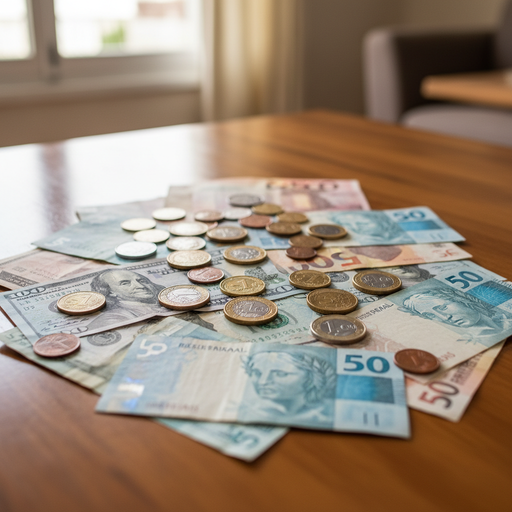


The survivor in a bull run is not the bravest, but the one who isn't knocked down.
I used to think that in this market, all you need is enough nerve to win.
When I first stepped into crypto, I was just like many of my fellow guys—some capital, a few stories about changing your life, and then I rushed in. The market back then looked great, prices were rising steadily, and my account stayed green nonstop. In just a few months, the initial money had grown significantly.
That feeling back then was really dangerous.
Not because I was making money, but because I started believing that I was “really good.”
From experimenting, I moved to going “all in.” From weighing things up, I moved to FOMO. Every wave that passed made me feel like I “should have been able to get more.” And that’s how it started—I began chasing the market, chasing hot setups, hype coins, and x100 dreams.
Until the market turned around.
One mistake isn’t scary. But making mistakes in a state of “blind confidence” is what kills an account. I once held a position with a huge profit, just because I was greedy and didn’t take profits. I once all-in’d on a project just because it “was flying.” And the ending was familiar: profits evaporated, and the principal couldn’t be preserved either.
Sitting there watching the chart drop straight down, I wasn’t only hurt by losing money—I felt helpless, like I had never really understood this game.
After that, I realized one thing:
The market doesn’t reward the reckless—it only keeps the ones who know how to survive.
I started changing the way I play.
No longer asking “which one will x10,” but asking “why does it even exist.” No longer hunting for quick trades, but focusing on understanding the fundamentals of each project, each stream of capital. What I used to find “boring”—reading documents, analyzing models, managing capital—became what saved me.
I set a few simple rules for myself:
If you don’t understand clearly → don’t put money inNever all-inAlways have an exit point before entering a tradeProfit must be protected, not used to show off
Sounds very basic. But it’s exactly these “basic” things that most people can’t do.
After that, the market still had big waves. There were setups I missed, and times I entered that weren’t at the bottom. But in return, I was no longer “blown away” just after a few days. My account grew more slowly, but more reliably.
And most importantly: I was still there.
Through many cycles, I came to a pretty harsh truth:
Crypto isn’t a place where miracles are made—it’s a place that amplifies who you are.
If you lack discipline, it will make you lose money faster. If you rely only on luck, it will take everything back even faster. But if you’re willing to learn, willing to slow down, willing to go deep and truly understand—it will reward you, just not in the way you initially imagine.
In a bull run, anyone can make money. But when the market reverses, only those who know how to control themselves can keep their money.
In the end, the question isn’t: “How much did you make in this wave?”
It’s: “After this wave, how much do you still have left to keep playing?”
Because in the long-term game, the winner isn’t the person who made the biggest score in a single round—it’s the person who is never eliminated from the table.