
 :
:

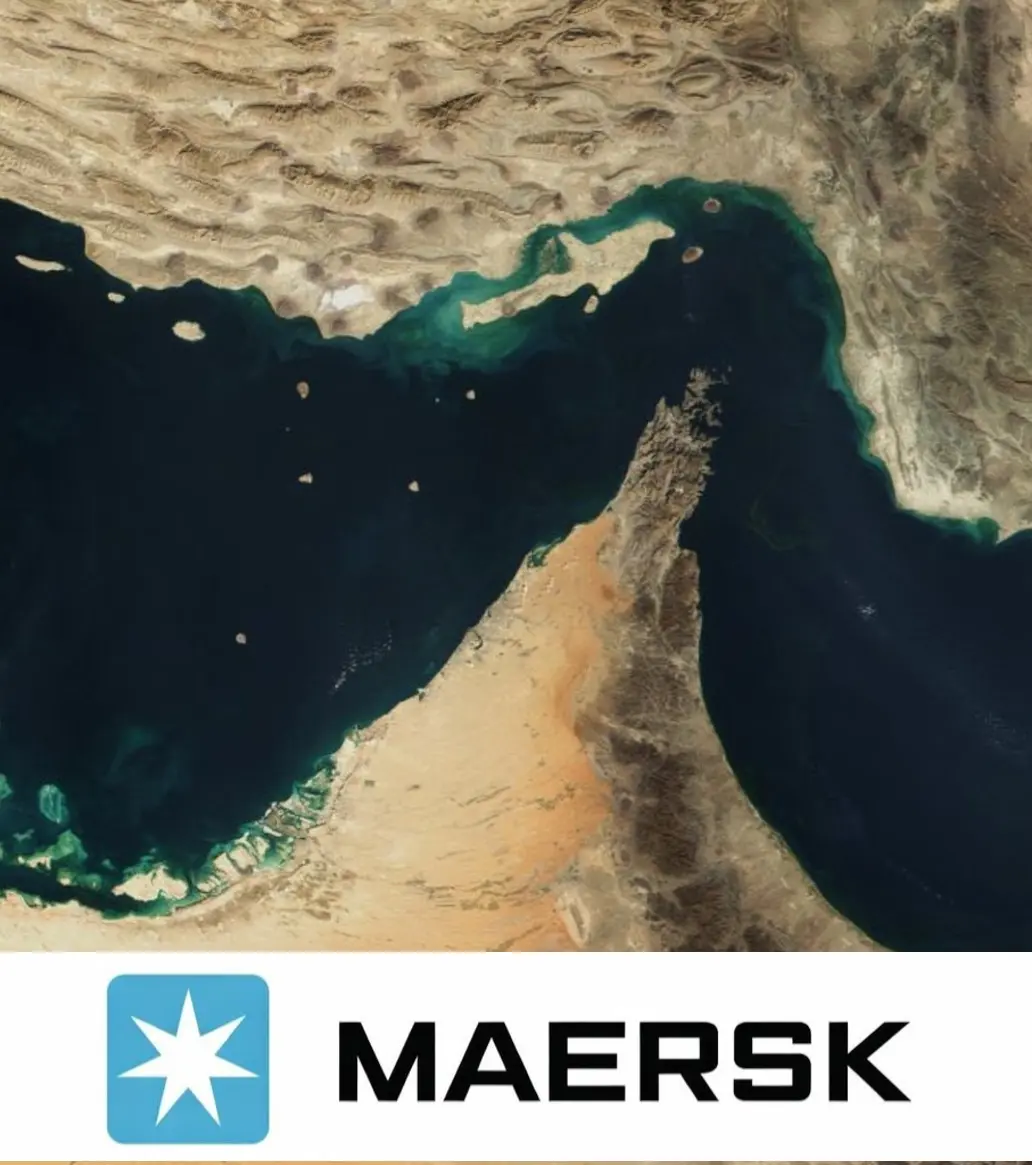
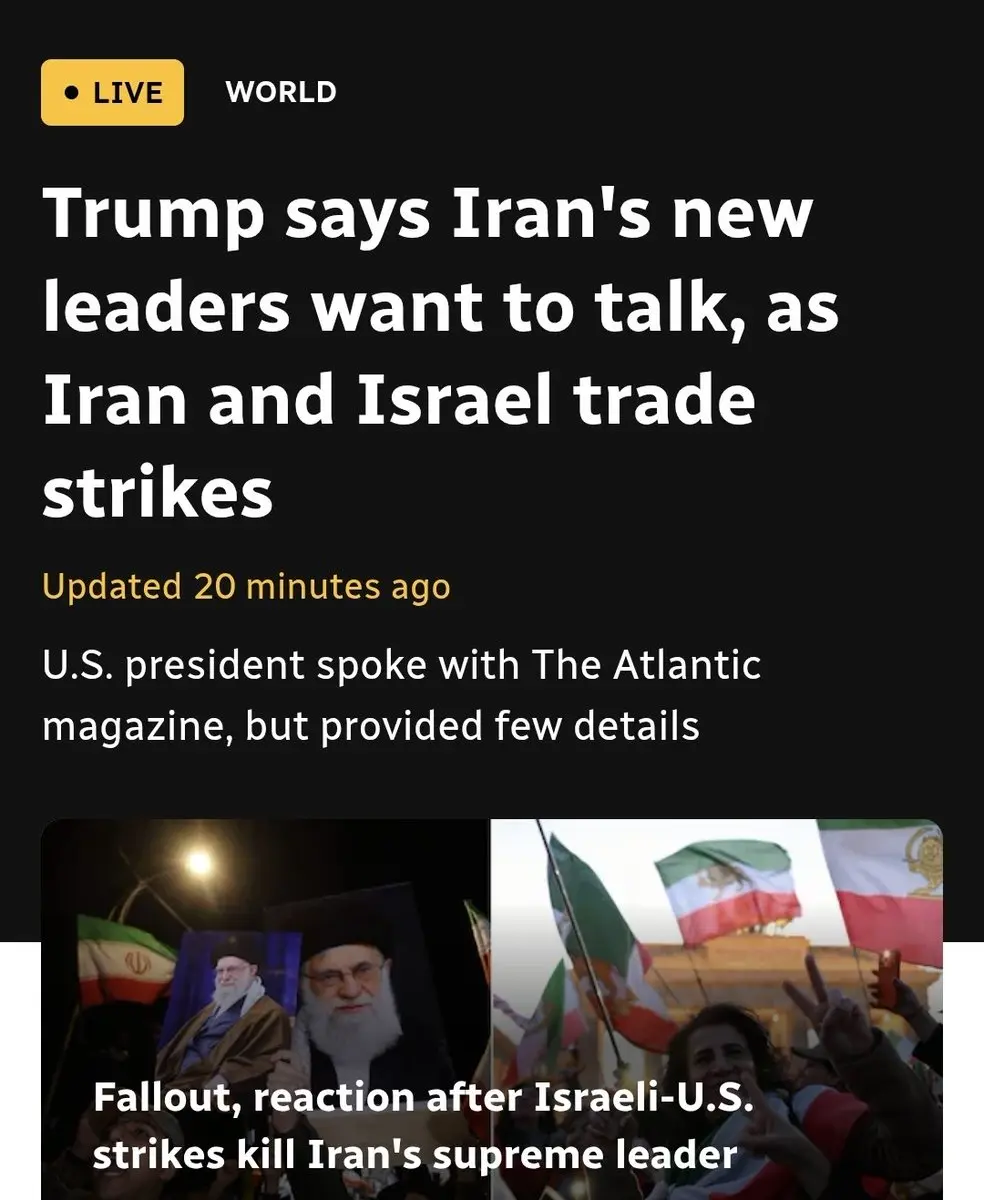
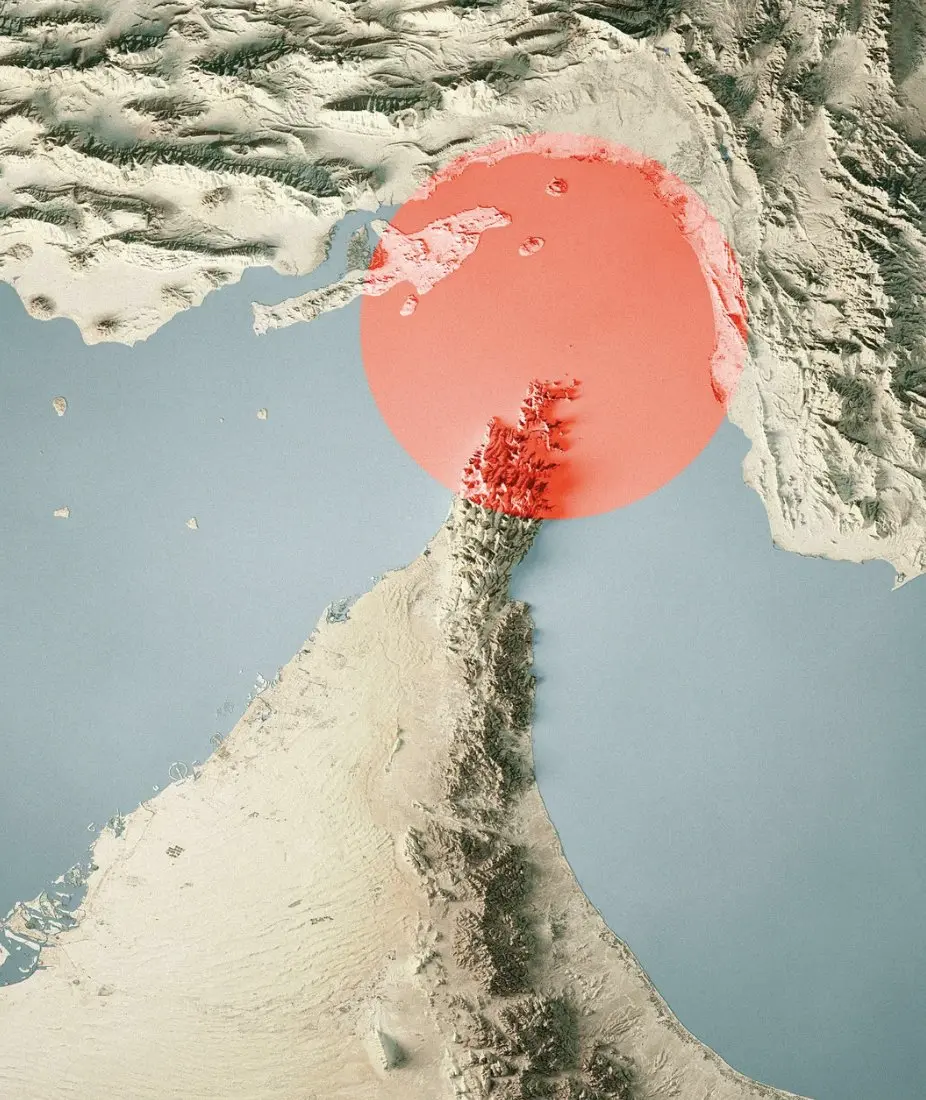
The rapidly escalating tensions in the Middle East are shaking global energy markets. Statements from Tehran, following US and Israeli attacks on Iran, that it has effectively closed or banned passage through the Strait of Hormuz in retaliation, have brought tanker traffic to a near standstill. Current Situation:
The Iranian Revolutionary Guard Corps (IRGC) has warned ships that "passage through the Strait of Hormuz is prohibited." Iranian state media (Tasnim) announced the strait was "closed."
Tanker owners, oil giants, and trading houses (including Shell) have suspended shipments of crude oil, refined products, and LNG. Major container and tanker operators such as Maersk and Hapag-Lloyd have halted transit or redirected to the Cape of Good Hope route.
According to Kpler and Marine Traffic data, traffic has decreased by 40-50%; hundreds of tankers have anchored at the strait entrances or turned back. Several tankers have faced drone or attack risks (for example, the Palau-flagged Skylight vessel was hit).
The US Navy declared the area "unsafe"; insurance premiums skyrocketed, and some companies canceled policies. How Critical Is It?
The Strait of Hormuz is the world's most important energy bottleneck:
Approximately 20 million barrels of oil and refined products (crude oil + condensate + fuels) pass through daily – 20% of global consumption.
There is a flow of around 5-5.5 million barrels/day for refined products (gasoline, diesel, jet fuel, naphtha).
A significant portion of LNG (especially from Qatar) also passes through here.
According to EIA data, flows were at the level of 20-21 million barrels/day at the beginning of 2024-2025; Asia (China, India, Japan, South Korea) received 80-84%.
Why is Fuel Supply Particularly at Risk?
For crude oil, countries like Saudi Arabia and the UAE have limited alternative pipelines (such as the East-West pipeline), but capacity is insufficient.
There are no major alternative pipelines for refined products and LPG. These products are critical for direct consumption: gas stations, aviation, and industry.
Strategic reserves are limited: outside of OECD Europe, Japan, and South Korea (including the US SPR), there are no large buffers.
In the event of a prolonged shutdown (days-weeks), refinery margins will explode, and fuel shortages will begin.
Market Impact and Forecasts:
Brent oil prices were in the ~67-73 $/barrel range before the weekend; experts (CNBC, Goldman Sachs, Barclays) predict 80-100+ $/barrel in the short term.
Worst-case scenario: Full shutdown + attack on Saudi facilities → 1970s-style energy shock, risk of global recession.
Even a short-term shutdown will increase delays, freight, and insurance costs, sending pump prices soaring. It's not yet a full blockade, but even "risk aversion" has paralyzed shipments. Markets expect panic pricing at Monday's opening. This crisis is not just about oil; It could also hit global fuel, fertilizer and supply chains. All eyes are on Tehran and Washington: If tensions don't ease, prices at the pumps will rise rapidly. 🚨
#USIsraelStrikesIranBTCPlunges
The Iranian Revolutionary Guard Corps (IRGC) has warned ships that "passage through the Strait of Hormuz is prohibited." Iranian state media (Tasnim) announced the strait was "closed."
Tanker owners, oil giants, and trading houses (including Shell) have suspended shipments of crude oil, refined products, and LNG. Major container and tanker operators such as Maersk and Hapag-Lloyd have halted transit or redirected to the Cape of Good Hope route.
According to Kpler and Marine Traffic data, traffic has decreased by 40-50%; hundreds of tankers have anchored at the strait entrances or turned back. Several tankers have faced drone or attack risks (for example, the Palau-flagged Skylight vessel was hit).
The US Navy declared the area "unsafe"; insurance premiums skyrocketed, and some companies canceled policies. How Critical Is It?
The Strait of Hormuz is the world's most important energy bottleneck:
Approximately 20 million barrels of oil and refined products (crude oil + condensate + fuels) pass through daily – 20% of global consumption.
There is a flow of around 5-5.5 million barrels/day for refined products (gasoline, diesel, jet fuel, naphtha).
A significant portion of LNG (especially from Qatar) also passes through here.
According to EIA data, flows were at the level of 20-21 million barrels/day at the beginning of 2024-2025; Asia (China, India, Japan, South Korea) received 80-84%.
Why is Fuel Supply Particularly at Risk?
For crude oil, countries like Saudi Arabia and the UAE have limited alternative pipelines (such as the East-West pipeline), but capacity is insufficient.
There are no major alternative pipelines for refined products and LPG. These products are critical for direct consumption: gas stations, aviation, and industry.
Strategic reserves are limited: outside of OECD Europe, Japan, and South Korea (including the US SPR), there are no large buffers.
In the event of a prolonged shutdown (days-weeks), refinery margins will explode, and fuel shortages will begin.
Market Impact and Forecasts:
Brent oil prices were in the ~67-73 $/barrel range before the weekend; experts (CNBC, Goldman Sachs, Barclays) predict 80-100+ $/barrel in the short term.
Worst-case scenario: Full shutdown + attack on Saudi facilities → 1970s-style energy shock, risk of global recession.
Even a short-term shutdown will increase delays, freight, and insurance costs, sending pump prices soaring. It's not yet a full blockade, but even "risk aversion" has paralyzed shipments. Markets expect panic pricing at Monday's opening. This crisis is not just about oil; It could also hit global fuel, fertilizer and supply chains. All eyes are on Tehran and Washington: If tensions don't ease, prices at the pumps will rise rapidly. 🚨
#USIsraelStrikesIranBTCPlunges




 :
: