

Trade
Basic
Futures
Futures
Hundreds of contracts settled in USDT or BTC
TradFi
Gold
Trade global traditional assets with USDT in one place
Options
Hot
Trade European-style vanilla options
Unified Account
Maximize your capital efficiency
Demo Trading
Futures Kickoff
Get prepared for your futures trading
Futures Events
Participate in events to win generous rewards
Demo Trading
Use virtual funds to experience risk-free trading
Earn
Launch
CandyDrop
Collect candies to earn airdrops
Launchpool
Quick staking, earn potential new tokens
HODLer Airdrop
Hold GT and get massive airdrops for free
Launchpad
Be early to the next big token project
Alpha Points
Trade on-chain assets and enjoy airdrop rewards!
Futures Points
Earn futures points and claim airdrop rewards
Investment
Simple Earn
Earn interests with idle tokens
Auto-Invest
Auto-invest on a regular basis
Dual Investment
Buy low and sell high to take profits from price fluctuations
Soft Staking
Earn rewards with flexible staking
Crypto Loan
0 Fees
Pledge one crypto to borrow another
Lending Center
One-stop lending hub
VIP Wealth Hub
Customized wealth management empowers your assets growth
Private Wealth Management
Customized asset management to grow your digital assets
Quant Fund
Top asset management team helps you profit without hassle
Staking
Stake cryptos to earn in PoS products
Smart Leverage
New
No forced liquidation before maturity, worry-free leveraged gains
GUSD Minting
Use USDT/USDC to mint GUSD for treasury-level yields

More





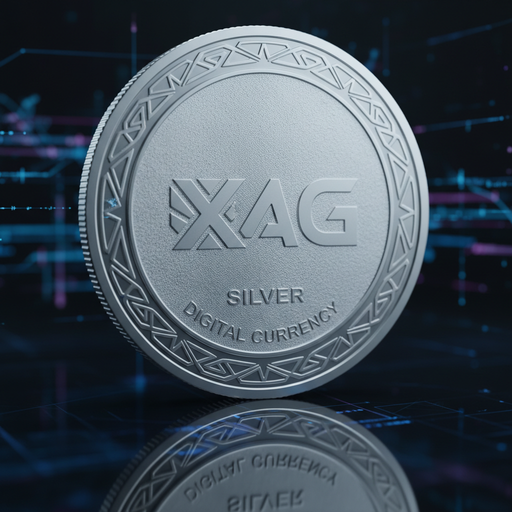

What are the stablecoins? A comprehensive overview of mainstream stablecoins in 2026
Stablecoins are essential infrastructure within the crypto ecosystem, designed to maintain relatively constant prices, typically pegged to fiat currencies like the US dollar, euro, or tangible assets. Compared to more volatile cryptocurrencies such as Bitcoin and Ethereum, stablecoins offer higher reliability and predictability, making them ideal tools for everyday payments, savings, and interactions with DeFi protocols. In recent years, as Web3 applications continue to expand, stablecoins have evolved into a bridge connecting traditional finance with decentralized economies, with applications ranging from cross-border transfers to collateral in smart contracts.
This article will provide an in-depth analysis of the types, market status, risk factors, and global regulatory frameworks of stablecoins to help you comprehensively understand their core features and usage.
The Core Value of Stablecoins: Why Is It Important to Understand Them?
The fundamental difference between stablecoins and traditional crypto assets lies in their design goal—maintaining a value close to 1:1 rather than seeking appreciation. This characteristic offers three main advantages:
Price Stability: Through pegging mechanisms, stablecoins effectively mitigate market volatility. Users can transact or store value without worrying about significant asset devaluation, which is especially important for businesses or individuals needing predictable cash flows.
Transaction Convenience: On centralized exchanges (CEX) and decentralized exchanges (DEX), stablecoins serve as trading pairs, making price discovery and liquidity management more efficient. Many trading pairs are directly quoted in stablecoins like USDT and USDC.
DeFi Empowerment: In decentralized finance, stablecoins are primary assets for lending, staking, and liquidity mining. Their predictability allows users to operate with confidence within DeFi protocols without concern over market swings.
Main Types of Stablecoins
Based on the mechanisms used to maintain price stability and the supporting assets, stablecoins are categorized into four main types, each with different levels of decentralization, security features, and risk profiles.
Fiat-Collateralized Stablecoins
Fiat-backed stablecoins are pegged 1:1 to fiat currencies such as USD or EUR. Issuers hold reserves at regulated financial institutions, allowing users to redeem for cash when needed.
Examples: USDT (Tether), USDC (Circle), FDUSD (First Digital Trust)
Advantages: Simple and transparent peg logic, deep liquidity on major exchanges, easy to understand and use.
Risks: Centralized control by issuers, potential transparency issues with reserves (USDT has faced audit scrutiny), regulatory policy impacts.
Crypto-Asset Collateralized Stablecoins
These stablecoins are backed by other cryptocurrencies like Ethereum or Bitcoin. Due to the volatility of collateral assets, over-collateralization is common to ensure stability. Issuance and liquidation are managed automatically via smart contracts.
Examples: DAI (MakerDAO)
Advantages: High decentralization, censorship resistance, no reliance on centralized issuers, on-chain transparent collateral.
Risks: Dependence on smart contract security, rapid price drops in collateral can trigger forced liquidations, higher technical complexity.
Algorithmic Stablecoins
Algorithmic stablecoins maintain their peg by dynamically adjusting token supply rather than relying on collateral. When the price exceeds $1, supply expands; when below, it contracts, aiming to self-regulate around the peg.
Examples: UST (Terra)
Advantages: Capital efficiency, no need for large collateral reserves, decentralized supply mechanisms.
Risks: Susceptible to confidence crises; if mechanisms fail, rapid de-pegging can occur. The collapse of Terra’s UST in 2022 is a notable example, with the price plummeting from $1 to near $0, causing massive investor losses.
Commodity-Backed Stablecoins
These are pegged to physical assets like gold, oil, or real estate, with each token representing verified holdings held by custodians, facilitating easier on-chain investment in commodities.
Examples: PAXG (1 token = 1 ounce of London Gold)
Advantages: Backed by tangible assets, increased trust, easier access to commodity exposure.
Risks: Higher storage and auditing costs, generally lower liquidity compared to fiat-backed stablecoins.
Current Mainstream Stablecoins and Their Features
The stablecoin ecosystem features several leading projects, each occupying different market niches. As of 2026, the most representative stablecoins include:
USDT’s Market Position: As the earliest stablecoin, USDT has established a network effect. Its trading volume dominates global stablecoin transactions, and it is ubiquitous on both CEX and DEX platforms. However, its centralized nature and past transparency concerns have attracted scrutiny.
USDC’s Institutional Edge: Issued by Circle, USDC is known for regulatory clarity and regular independent audits. It has an advantage in institutional applications within the US and Europe, especially for compliant on/off ramps.
DAI’s Decentralized Nature: Created by MakerDAO, DAI is the first major decentralized stablecoin. Its fully on-chain collateral and liquidation mechanisms make it a core liquidity source in DeFi.
FDUSD’s Regional Growth: Supported by Hong Kong-based First Digital Trust, FDUSD benefits from a friendly regulatory environment in Asia and is rapidly gaining adoption, becoming a key regional option.
Practical Use Cases for Stablecoins
Stablecoins have evolved from simple trading tools into a multi-faceted infrastructure component.
Global Payments and Remittances
Stablecoins enable fast, low-cost cross-border payments without traditional banking or foreign exchange procedures. They significantly reduce transaction costs and settlement times, especially for regions requiring 24/7 trading or multinational businesses.
Supporting DeFi Ecosystems
In DeFi protocols, stablecoins are central assets for lending, staking, and liquidity mining. Their price stability allows users to focus on yield strategies rather than market volatility.
Payroll and DAO Compensation
Many Web3 companies and decentralized autonomous organizations (DAOs) use stablecoins to pay employees, avoiding delays and costs associated with cross-border transactions. Stablecoins are also widely used in international commerce as a quick, secure, and traceable payment method.
Market Pricing Benchmarks
USDT and USDC have become standard quote currencies in trading markets, helping traders price assets, manage risk, and enhance liquidity.
Fundamental Differences Between Stablecoins and Bitcoin
While both are crypto assets, their functions are distinct.
Bitcoin’s price is determined solely by supply and demand, characterized by high volatility, making it suitable for long-term value storage and inflation hedging. Conversely, stablecoins maintain a near-$1 price through pegging mechanisms, making them better suited as mediums of exchange and short-term liquidity tools.
In a portfolio, they can complement each other: Bitcoin offers long-term appreciation potential, while stablecoins provide short-term liquidity and risk mitigation. This combination helps users balance growth and capital preservation.
Key Risks in Using Stablecoins
Despite their design for price stability, stablecoins face several risks that could impact asset safety:
Depegging Risk
Depegging occurs when a stablecoin fails to maintain its 1:1 peg with the underlying asset. The 2022 collapse of UST exemplifies this—due to algorithmic failure, UST’s price dropped from $1 to near $0, resulting in huge investor losses.
Reserve Transparency or Insufficiency
Some fiat-backed stablecoins have faced scrutiny over reserve transparency. Lack of regular third-party audits can leave users vulnerable to assets not being fully backed, especially during mass redemptions.
Smart Contract Risks
Crypto-backed stablecoins like DAI rely heavily on smart contracts. Code vulnerabilities or rapid collateral price declines can trigger forced liquidations or insufficient backing.
Regulatory Changes
Stablecoins are under increasing regulatory scrutiny worldwide. Policy shifts could restrict trading, require delisting, or impose legal risks on users.
Global Regulatory Frameworks for Stablecoins
United States
The US considers stablecoins a potential systemic risk, prompting accelerated regulation. Proposed legislation like the STABLE Act suggests issuers need banking licenses and must hold reserves equal to issued tokens. SEC and CFTC are also increasing oversight, especially regarding DeFi activities.
European Union
The EU is leading in formal regulation with the MiCA framework, effective from 2023. MiCA defines “asset-referenced tokens” and establishes licensing, reserve audits, and periodic disclosures for issuers, creating a unified regulatory standard.
Asia-Pacific
The region shows divergent approaches: Singapore and Japan offer supportive environments with clear licensing and compliance frameworks, viewing stablecoins as key to digital finance innovation. Conversely, China maintains a strict ban on private cryptocurrencies, promoting its digital yuan (CBDC) instead.
Best Practices for Safe Stablecoin Use
To mitigate risks, users should follow these best practices:
Prioritize Transparency: Choose stablecoins with regular audits and transparent reserves (e.g., USDC, FDUSD). Avoid projects with transparency issues.
Avoid Algorithmic Stablecoins: Given their history of de-pegging (e.g., TerraUSD), new users should be cautious with algorithmic stablecoins.
Verify Issuer Credibility: Use tokens issued by reputable, regulated institutions. Check their background, team, and regulatory compliance.
Exercise Caution with DeFi: While attractive, DeFi yields carry smart contract and liquidation risks. Conduct thorough risk assessments.
Diversify Holdings: Avoid concentrating all assets in a single stablecoin. Diversification reduces counterparty risk.
Stay Informed on Policies: Monitor evolving regulations worldwide, as policy changes can impact stablecoin usability and legality.
Summary: The Central Role of Stablecoins in Web3
Stablecoins have become indispensable infrastructure within Web3. From DeFi lending and cross-border payments to corporate payrolls, their applications continue to grow. For users seeking exposure to Web3 without enduring Bitcoin or Ethereum’s volatility, stablecoins offer a safe and practical entry point.
As global regulatory frameworks mature, transparency and security in stablecoins are expected to improve further. Mastering their features, types, and risk management will be essential for crypto users moving forward into 2026 and beyond.