

Trade
Basic
Futures
Futures
Hundreds of contracts settled in USDT or BTC
TradFi
Gold
Trade global traditional assets with USDT in one place
Options
Hot
Trade European-style vanilla options
Unified Account
Maximize your capital efficiency
Demo Trading
Futures Kickoff
Get prepared for your futures trading
Futures Events
Participate in events to win generous rewards
Demo Trading
Use virtual funds to experience risk-free trading
Earn
Launch
CandyDrop
Collect candies to earn airdrops
Launchpool
Quick staking, earn potential new tokens
HODLer Airdrop
Hold GT and get massive airdrops for free
Launchpad
Be early to the next big token project
Alpha Points
Trade on-chain assets and enjoy airdrop rewards!
Futures Points
Earn futures points and claim airdrop rewards
Investment
Simple Earn
Earn interests with idle tokens
Auto-Invest
Auto-invest on a regular basis
Dual Investment
Buy low and sell high to take profits from price fluctuations
Soft Staking
Earn rewards with flexible staking
Crypto Loan
0 Fees
Pledge one crypto to borrow another
Lending Center
One-stop lending hub
VIP Wealth Hub
Customized wealth management empowers your assets growth
Private Wealth Management
Customized asset management to grow your digital assets
Quant Fund
Top asset management team helps you profit without hassle
Staking
Stake cryptos to earn in PoS products
Smart Leverage
New
No forced liquidation before maturity, worry-free leveraged gains
GUSD Minting
Use USDT/USDC to mint GUSD for treasury-level yields

More



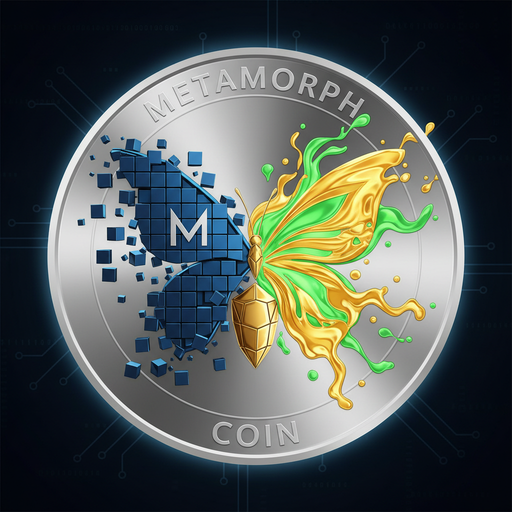



Building Your Own Crypto Coin: A Practical Framework for Success
Creating a crypto coin has become increasingly accessible thanks to blockchain infrastructure advances. However, success requires more than just technical knowledge—it demands strategic planning, market awareness, and realistic expectations. This guide breaks down what you need to know to launch your own crypto coin effectively.
Core Concepts: What Makes a Crypto Coin Work
Before you can build a crypto coin, you need to understand how these systems function at their core. Cryptocurrencies operate as decentralized digital currencies secured through cryptography rather than government backing. Unlike traditional money, they exist entirely on distributed networks where participants collectively validate transactions without requiring a central authority.
Bitcoin pioneered this model with its Proof of Work mechanism, while Ethereum introduced more flexible platforms. Litecoin followed with modifications to Bitcoin’s design. These projects established the foundation upon which all new crypto coins are built.
The Strategic Foundation: Planning Your Crypto Coin
Your first critical decision is defining why your crypto coin exists. Are you solving a real problem, creating a utility token for a specific ecosystem, or building something experimental? This purpose determines everything that follows—your technical approach, target audience, and go-to-market strategy.
Next, consider the technical backbone. You can either launch independently or build on existing blockchain infrastructure like Ethereum or NEO. Building from scratch offers complete control but demands substantial development resources. Leveraging existing platforms accelerates deployment but reduces customization options.
Technical Architecture: How to Structure Your Crypto Coin
Every crypto coin requires fundamental technical choices:
Consensus mechanism drives how your network validates transactions. Proof of Work (PoW) prioritizes security through computational difficulty. Proof of Stake (PoS) reduces energy consumption by allowing holders to validate based on their coin holdings. Delegated Proof of Stake (DPoS) introduces elected validators, offering a balance between decentralization and efficiency. Each model has different implications for security, scalability, and environmental impact.
Network nodes form the distributed infrastructure where your crypto coin actually operates. Determining how many nodes participate and how they communicate affects security resilience and transaction speed.
Token parameters require careful calibration—total supply, block size, block creation speed, and reward schedules shape your coin’s economics and inflation dynamics. These decisions cannot easily be changed after launch.
The Development and Testing Phase
Turning your concept into a functioning crypto coin demands skilled blockchain development. This typically involves either building custom code or configuring template-based solutions. Comprehensive testing is non-negotiable—vulnerabilities can result in fund loss and reputational damage.
Testing covers security audits (are there exploitable loopholes?), scalability assessments (can your network handle growth?), and user experience validation (is it practical to use?). Many projects engage third-party security firms to verify their code before public launch.
Bringing Your Crypto Coin to Market
Once your crypto coin is technically sound, distribution strategy becomes paramount. Initial Coin Offerings (ICOs) remain one approach, though regulatory scrutiny has intensified. An ICO involves selling tokens to early investors, generating capital while building community support. However, ICOs face legal complexity in many jurisdictions.
Exchange listings provide mainstream visibility and liquidity. Listing on major platforms enables broader user access and price discovery. However, exchanges apply rigorous technical and compliance standards.
Merchant adoption and partnerships create real-world utility. When businesses accept your crypto coin as payment, it transitions from speculative asset to functional currency. This requires negotiation, integration support, and often incentive programs.
The Realistic View: Challenges and Considerations
Creating a successful crypto coin goes beyond technical execution. Regulatory frameworks vary globally and continue evolving. Compliance with securities regulations, anti-money laundering requirements, and tax reporting obligations adds complexity.
Competition is intense—thousands of crypto coins already exist, with varying degrees of adoption. Breaking through requires genuine differentiation, ongoing development, and sustained community engagement.
Market sentiment significantly influences any new crypto coin’s success. Even technically superior projects fail without community support and strategic marketing.
Moving Forward With Your Crypto Coin Vision
Launching your own crypto coin is feasible but demands comprehensive planning, technical expertise, regulatory awareness, and realistic timelines. The fundamentals remain consistent: define clear purpose, select appropriate technology, build rigorously, test extensively, and execute thoughtful go-to-market strategy.
Whether you’re addressing a specific industry problem with a utility token, experimenting with new blockchain designs, or exploring decentralized finance innovations, the framework is available. The question is whether you have the resources, expertise, and commitment to see it through. For those ready to undertake this complex journey, creating your own crypto coin remains one of blockchain’s most ambitious opportunities.