Oracle (昨) announced large-scale layoffs yesterday, affecting about 30,000 employees, accounting for 18% of its 162,000 full-time employees worldwide. In some units, the layoff ratio is even as high as 30%, with the goal of lowering costs and fully funding the expansion of AI infrastructure and data centers.
(Background: Meta plans to lay off more than 20%! Impacting 15,000 people—AI leads tech companies to do the “most extreme downsizing”)
(Additional context: Oracle may have delayed OpenAI data center construction; AI concept stocks all plunged, and after Bitcoin’s急殺 it bounced back to $90,000).
Table of contents
Toggle
- Which departments were hit the hardest
- Shares cut in half, banks pull back from funding—financial pressure comes to the forefront
- This isn’t the same playbook as just Oracle’s
At 6 a.m., an email quietly arrived in the inboxes of 30,000 Oracle employees. The letter said: “After careful consideration of Oracle’s current business needs, we have decided to carry out a broader organizational restructuring to remove your position.” Without any notice period, that same day became the last working day.
This is one of the largest layoff actions in Oracle’s history. 30,000 people were laid off—about 18% of its 162,000 full-time employees worldwide—and in some units, the layoff ratio climbed to more than 30%.
Which departments were hit the hardest
The hardest-hit included two major business units: the Revenue and Health Sciences (RHS) division, and the SaaS and Virtual Operations Services (SVOS) division.
For years, these two units have been core pillars of Oracle’s traditional software and cloud services. Now they’ve been listed as restructuring targets, reflecting a significant shift in the company’s strategic focus.
Wall Street analysis firm TD Cowen estimates that Oracle may need to have $8 billion to $10 billion in cash on hand to cover this round of layoffs. Oracle itself expects the total restructuring cost for fiscal year 2026 to reach as high as $2.1 billion, with expenses mainly coming from employee severance packages.
Shares cut in half, banks pull back from funding—financial pressure comes to the forefront
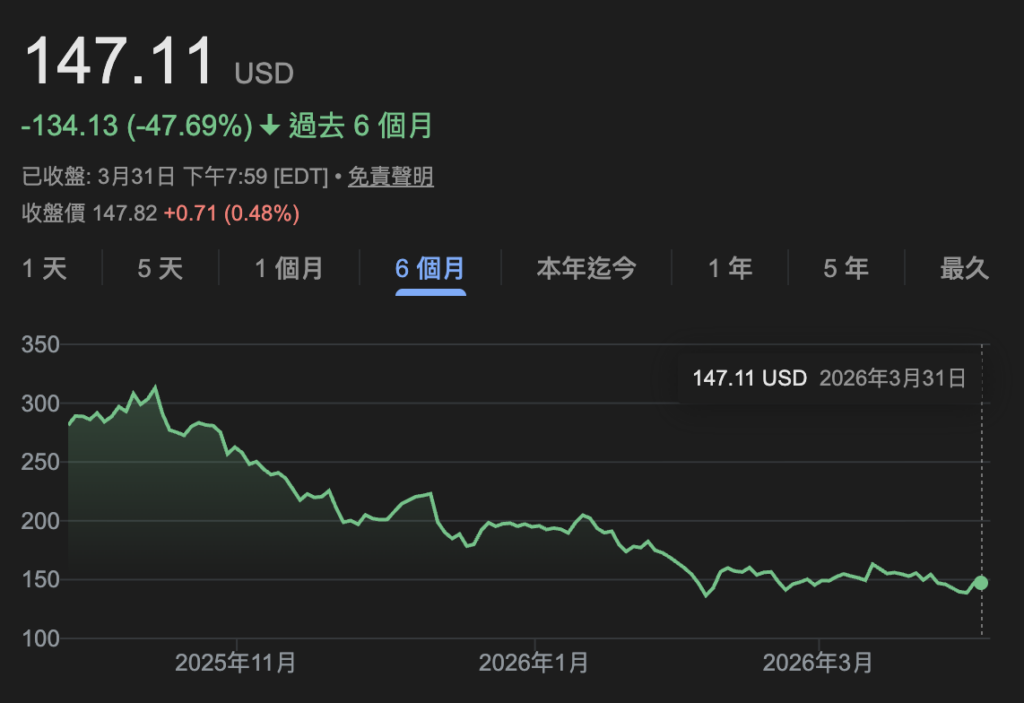
Behind the numbers are more complex financial signals. Oracle’s net revenue in the most recent quarter grew 95% year over year to $6.13 billion—bright on the surface. However, its stock price has fallen by nearly half since September 2025, and some U.S. banks have also continued to withdraw financing. Concerns in the market about its long-term profitability have not gone away.
In other words, Oracle chose to cut headcount at the time of record profits. This isn’t caused by a business slump, but by actively accelerating its transformation: converting traditional business labor costs into capital expenditures for AI infrastructure.
This isn’t a playbook unique to Oracle
Big tech companies using layoffs to fund AI computing has become a shared narrative for the 2025–2026 tech industry. Last week, Meta announced it would cut about 700 employees and also plans further layoffs exceeding 20%, citing the same reason: rising AI infrastructure costs.
From Meta to Oracle, the pattern is identical: strong quarterly results, stock price under pressure, large-scale layoffs, and a synchronized announcement of AI investment plans. The cost of AI transformation is being shouldered together by tens of thousands of employees.

Disclaimer: The information on this page may come from third parties and does not represent the views or opinions of Gate. The content displayed on this page is for reference only and does not constitute any financial, investment, or legal advice. Gate does not guarantee the accuracy or completeness of the information and shall not be liable for any losses arising from the use of this information. Virtual asset investments carry high risks and are subject to significant price volatility. You may lose all of your invested principal. Please fully understand the relevant risks and make prudent decisions based on your own financial situation and risk tolerance. For details, please refer to
Disclaimer.


