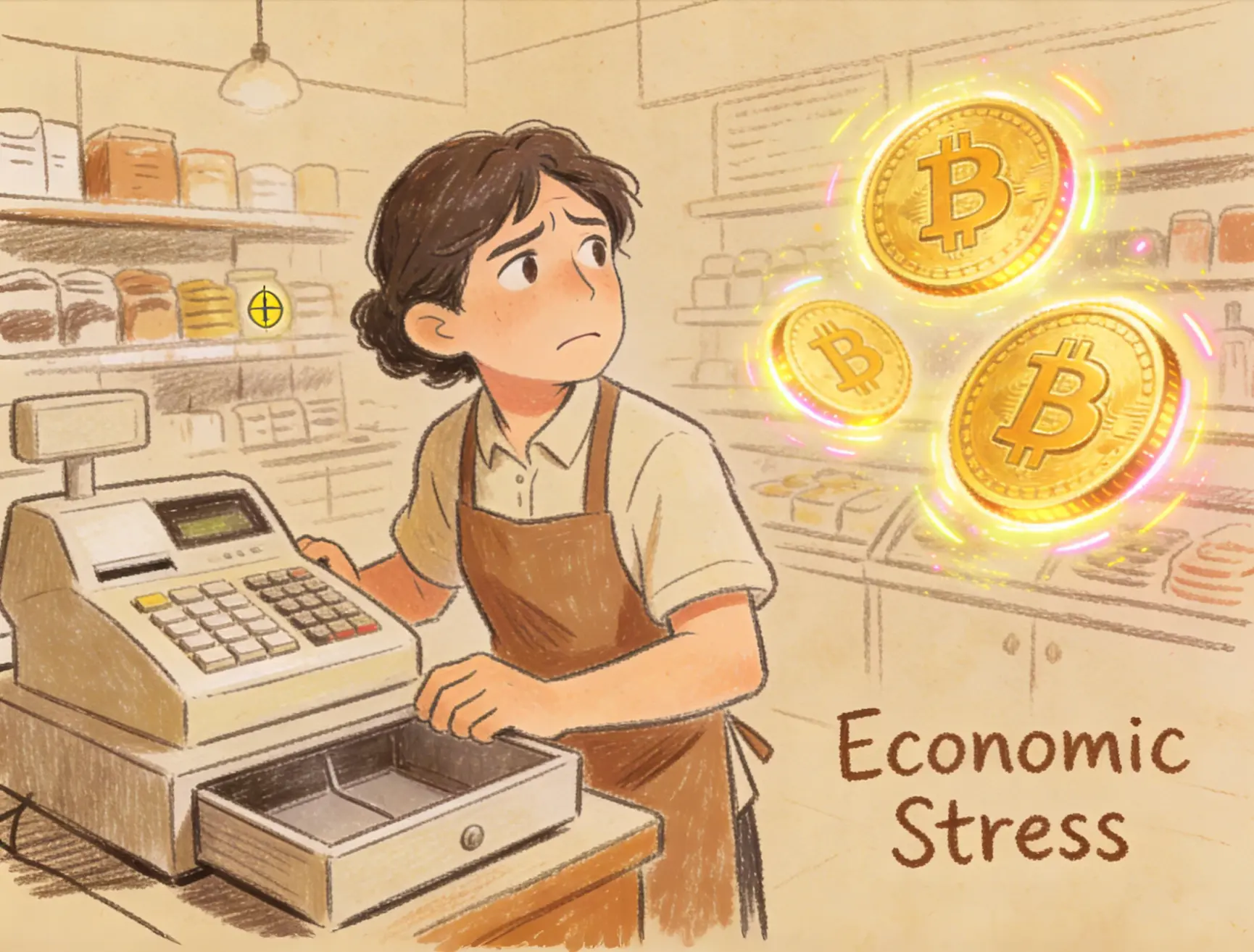
 Venezuelan small and medium-sized enterprises (SMEs) are facing a worsening shortage of U.S. dollars in early 2026, with official auction volumes down 13% compared to the same period in 2025, forcing many businesses to raise prices and turn to cryptocurrency to secure imports, according to interviews with business owners and industry groups.
Official dollar auctions from mid-January through early March totaled $1.3 billion, a decrease from the previous year, even as oil sales increased following a change in U.S. policy toward Venezuela. The scarcity has particularly affected smaller firms, which report being shut out of official auctions that favor large food, healthcare, and beverage companies, pushing them to unofficial exchange markets where rates are less favorable and to cryptocurrencies as an alternative payment channel.
Industry groups warn that the currency shortage threatens to undermine Venezuela’s fragile economic recovery, with 58% of medium-sized business owners citing lack of foreign currency as an obstacle to production.
Dollar Shortage and Auction Disparities
Decline in Official Dollar Supply
Despite increased oil sales after the U.S. ouster of President Nicolás Maduro in January 2025, dollars available through official auctions have decreased. Local analysts calculated that auctions from mid-January through early March 2026 totaled $1.3 billion, 13% less than the same period in 2025. Stabilization of an economy plagued by hyperinflation and potential U.S. investment had been expected to make dollars more plentiful, but the opposite has occurred.
Allocation Favoring Large Companies
According to five sources familiar with the auction process, large food, healthcare, beverage, and chemical companies are receiving preferential access to dollars, leaving many medium-sized firms—including drug manufacturers, chemical producers, plastics companies, and technology suppliers—empty-handed. Business owners reported having their bids rejected repeatedly without explanation, forcing them to seek alternative sources of foreign currency.
A pharmaceutical factory owner told Reuters that his bids for dollars in official auctions were rejected three times without explanation, forcing him to turn to unofficial markets where exchange rates are less favorable, ultimately pushing up the prices of his medications to cover costs.
Impact on Inflation
The weaker exchange rate in the unofficial market has contributed to Venezuela’s inflation rate, which currently stands at approximately 600%. Business owners report being forced to raise prices on products ranging from pharmaceuticals to paint materials due to the higher cost of securing dollars through unofficial channels.
Sanctions and Banking Barriers
Limited Access to Global Financial System
Due to ongoing sanctions, Venezuelan banks remain largely cut off from the global financial system, making wire transfers and international payment platforms inaccessible for many businesses. Dollars earned from the country’s oil exports are auctioned off by local banks, with allocations determined by the central bank and foreign correspondent banks.
Screening Hurdles
Small and medium-sized companies also face difficulty passing screening by foreign correspondent banks, which scrutinize Venezuelan transactions closely and require extensive background information on potential clients. Central bank reviews add another layer of complexity.
Cryptocurrency as a Workaround
Return to Digital Assets
With official dollar auctions out of reach and banking channels obstructed, some Venezuelan businesses are turning to cryptocurrency to purchase imported goods. One businessman described crypto as the alternative market for those unable to access official auctions, noting that he had hoped a greater inflow of foreign currency would mean crypto would be used only in emergencies, but that has not materialized.
Historical Precedent
Cryptocurrencies have previously offered a lifeline for Venezuelan businesses during periods of economic instability. The current shortage has prompted a reluctant return to digital assets as a practical workaround for firms that cannot secure dollars through official channels.
Economic Recovery Risks
Threat to Growth
The shortage of hard currency for SMEs could stymie Venezuela’s economic recovery because these companies provide services and inputs to large businesses, according to Conindustria President Tito Lopez. Without a regular supply of foreign currency, analysts warn that market stabilization cannot be guaranteed and economic activity cannot be sustained without sufficient financial input.
U.S. Engagement
The United States has urged increased investment in Venezuela’s oil, gas, and mining sectors since the change in government, carrying out $2 billion in crude sales. During a March visit to Caracas, U.S. Interior Secretary Doug Burgum stated that efforts were being taken to increase capital inflows and help stabilize the local bolivar currency, saying: “Anything we can do to help create a stable currency where citizens are not affected by the negative effects of hyperinflation would be very positive.”
Frequently Asked Questions
Why is there a dollar shortage in Venezuela despite increased oil sales?
Despite increased oil sales following U.S. policy changes, official dollar auction volumes have declined 13% compared to the same period in 2025. Analysts point to allocation practices that favor large companies, leaving smaller firms unable to access dollars through official channels. Banking sanctions and strict screening by correspondent banks further restrict access to foreign currency.
How are small businesses responding to the dollar shortage?
Many small and medium-sized businesses are turning to unofficial exchange markets, where rates are less favorable, and to cryptocurrencies as an alternative payment channel for imported goods. The higher cost of securing dollars has forced businesses to raise prices on consumer goods, contributing to inflation.
What are the risks to Venezuela’s economic recovery?
The shortage of dollars for SMEs threatens to undermine Venezuela’s fragile economic recovery because these businesses provide essential services and inputs to larger companies. Without a regular supply of foreign currency, analysts warn that market stabilization cannot be guaranteed and economic activity may falter.
Disclaimer: The information on this page may come from third parties and does not represent the views or opinions of Gate. The content displayed on this page is for reference only and does not constitute any financial, investment, or legal advice. Gate does not guarantee the accuracy or completeness of the information and shall not be liable for any losses arising from the use of this information. Virtual asset investments carry high risks and are subject to significant price volatility. You may lose all of your invested principal. Please fully understand the relevant risks and make prudent decisions based on your own financial situation and risk tolerance. For details, please refer to
Disclaimer.


