exclusive edition number
What Is Limited Edition Numbering?
Limited edition numbering refers to the assignment of serial numbers to collectibles released in a fixed, small quantity.
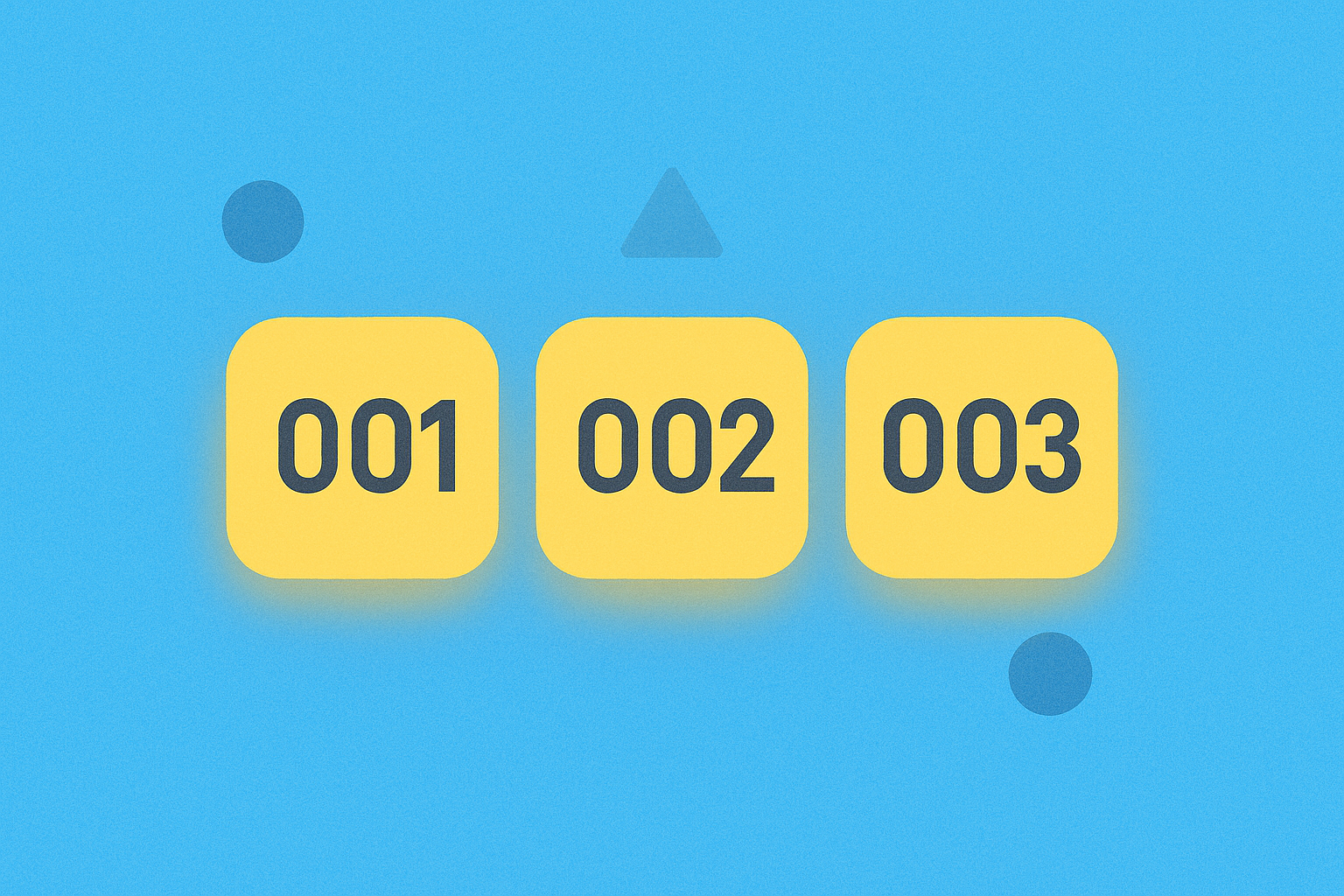
It distinguishes each item within a defined batch—such as from 001 to 100—using unique serial numbers. In the digital space, this is common on NFT and on-chain collectible display pages, allowing buyers to quickly identify if an item is the first, last, or features a special number. The focus is on providing human-readable order information (“which number in the series”), rather than the underlying technical identifier.
Limited edition numbers often influence collector preferences and final sale prices. However, the extent of this impact depends on the collection’s rules, community culture, and clarity of presentation.
Why Should You Understand Limited Edition Numbering?
Edition numbers affect how you price, bid, and evaluate rarity.
In collector markets, first-in-series, symmetrical, or “lucky” numbers typically attract more attention. The same holds true in crypto: many NFT collections highlight edition numbers visually, and buyers are often willing to pay a premium for desirable numbers. Without understanding edition numbering conventions, you may overpay for insignificant numbers or miss out on genuinely rare opportunities.
Edition numbers also help verify provenance and release batches. By checking the total supply and edition number range, you can spot additional releases or batch mixing, avoiding the trap of “fake scarcity.”
How Does Limited Edition Numbering Work?
Essentially, limited edition numbering assigns human-readable sequential numbers to assets in a fixed batch and displays this either on the front end or within metadata.
-
Number Assignment Methods: There are two main methods—sequential and random allocation. Sequential numbering often leads to competition for the “first” number. Random allocation (often using on-chain randomness) minimizes such competition and enhances fairness.
-
Where Numbers Are Stored: Most projects write the edition number into metadata fields or naming conventions for front-end display. Some embed “number X” directly into smart contract event logs for easier retrieval. This differs from TokenID, which is a technical system identifier; edition numbers are designed for human reference.
-
Standard Implementation Differences: ERC-721 NFTs are each unique tokens; to create an “edition of 100,” projects mint 100 separate TokenIDs and note “1/100…100/100” in metadata—this “1/100” is the edition number, not the TokenID. ERC-1155 allows multiple editions under one ID, making it more suitable for bulk releases; platforms display your ownership as “X/Total.” In Bitcoin Ordinals, inscriptions use sequence numbers and batch labels as part of community convention.
How Does Limited Edition Numbering Appear in Crypto?
Limited edition numbering primarily features in NFT marketplaces, blockchain gaming assets, and Bitcoin inscriptions.
On NFT exchange platforms like Gate’s NFT section, limited collections display total supply and serial ranges on their details page. Buyers can see if an item is number 001, the last edition, or has a special number; sorting and filtering by number is often available. For randomly assigned series, all numbers are revealed post-mint in one go.
On open marketplaces like OpenSea or Magic Eden, ERC-1155 collections show “Edition” and “Supply” explicitly; buyers see “X/Total” when selecting an edition. ERC-721 collections include “X/Total” in the name or attributes. In Bitcoin’s Ordinals ecosystem, browsers display inscription numbers and batch labels so collectors can assess preferences for early or rounded numbers.
If you seek specific numbers, you can place conditional orders. Some platforms support bids by number range (e.g., bidding for editions 1–10).
Steps:
- Open the collection details page to check total supply and how numbering is presented (sequential or random).
- Select or input filtering criteria such as 001, last number, or rounded numbers to view available listings and past sales.
- Verify in metadata and contract events that edition numbering is part of official project rules—not just a seller-assigned label.
How to Buy Limited Edition Numbers Effectively
First, determine if you value aesthetically pleasing numbers or long-term value.
If you want a specific number, buy after minting is revealed to avoid the risk premium of blind box purchases. If value matters more than specific digits, buying at or near floor price without chasing special numbers is usually safer.
Steps:
- Research release rules: Check total supply, whether there will be additional releases, and if each number is unique and non-reusable. Avoid mixed batches that may complicate numbering logic.
- Check historical sales: Analyze how edition number impacts price—does a premium for first editions persist over time or only appear at launch?
- Verify authentic numbering: Rely on platform-displayed number fields and contract records rather than seller-filled titles claiming “#001.”
- Manage slippage and fees: Emotional bidding for favorite numbers can inflate costs; set a max price and factor in platform fees and on-chain gas costs.
What Are Recent Trends or Data Points Worth Noting About Limited Edition Numbers?
In 2025, limited edition numbering has become more standardized with clearer displays. Random allocation and anti-sniping features are increasingly common, with platforms adding tools for filtering by number and bulk bidding. For buyers, information is easier to access; for sellers, pricing special numbers is more transparent.
Product design trends show total supplies gravitating towards round figures (like 100, 500, 1000 editions), often with special arrangements for reserving or auctioning first/last numbers. Random reveals now occur closer to sell-out to reduce information asymmetry.
To validate these trends with data from 2025 and 2024’s primary and secondary markets, track metrics such as:
- The percentage of new ERC-1155 series featuring an “Edition/Number” field with filtering options (monthly or quarterly).
- Median premium multipliers of first editions, last editions, or rounded numbers versus floor price (by category: art, PFPs, game assets).
- Ratios of random vs sequential allocation methods and average time from reveal to sell-out.
Data sources include platform series pages, sales histories, dashboards like Dune, and project contract events. Always specify your time window (e.g., “Q3 2025” or “full year 2025”) and compare against “full year 2024” to avoid seasonal bias.
What’s the Difference Between Limited Edition Numbering and TokenID?
Edition numbers are human-facing serials; TokenIDs are system-level technical identifiers.
In ERC-721, each NFT has a unique TokenID. To create a “100-edition” collection, projects mint 100 different TokenIDs and label them “1/100…100/100” in metadata—here “1/100” is the edition number, not the TokenID. In ERC-1155, multiple editions can share one ID; platforms display your owned copy as “X/Total”—still a human-facing trait. Bitcoin Ordinals display inscription sequence numbers and collection batch labels as presentation-layer details rather than technical identity.
In practice, always prioritize official platform numbering fields and project documentation over assuming TokenID order or size determines edition number or rarity.
Related Terms
- Limited Edition Numbering: The unique serial number assigned to a digital asset or collectible to prove its scarcity and authenticity.
- NFT: Non-fungible token—a unique digital asset commonly used for digital collectibles and limited editions.
- Blockchain: A distributed ledger technology that provides tamper-proof recordkeeping and verification for limited edition numbering.
- Smart Contract: Automated code that enforces issuance rules and transparent ownership transfers for limited edition assets.
- Minting: The process of creating new digital assets or tokens on the blockchain—including generating their limited edition numbering.
FAQ
Does limited edition numbering affect NFT prices?
Yes. Edition numbers are directly linked to NFT scarcity; rarer numbers typically command higher prices. For example, “#1” or symbolic numbers like “888” are especially sought after by collectors for their meaning or first-mint status. Understanding edition distribution and sales history helps you accurately assess investment value.
How can I judge if a limited edition number is worth collecting?
Evaluate from three angles: (1) rarity of the number itself (such as first issue or lucky digits); (2) issuer reputation and project popularity; (3) historical trading data (review pricing trends for other numbers in the series on major platforms like Gate). Beginners should start with reputable projects that have clear narratives before moving on to more speculative editions.
What should I watch out for when trading limited edition numbers on secondary markets?
Key points: Ensure the edition number matches what’s recorded in the smart contract to avoid fakes; review transaction history and ownership changes; be wary of suspiciously low prices (could indicate counterfeits or hidden risks); trade on reputable platforms like Gate to minimize risk. Also note that special numbers may have lower liquidity—not always easy to resell—so assess resale potential before buying.
Can limited edition numbers lose value or become obsolete?
It’s possible. If a project stalls, its community declines, or new collections overshadow old ones, previous edition values may drop. However, historically significant or artistically important first editions tend to hold value better. Monitor project developments and market sentiment regularly; avoid hoarding blindly and reassess holdings periodically.
What’s the fundamental difference between limited edition numbering and regular serial numbers?
Limited edition numbering applies to finite-supply items where certain serials have extra value due to scarcity or symbolism—for example, among 100 pieces in a series, #1 is often more desirable than #87. Regular serials simply indicate order without guaranteeing any added premium. Understanding this distinction helps prevent over- or underestimating the real worth of a given edition number.
Further Reading
Related Articles
Top 10 NFT Data Platforms Overview
7 Analysis Tools for Understanding NFTs