Airdrop

What Is an Airdrop?
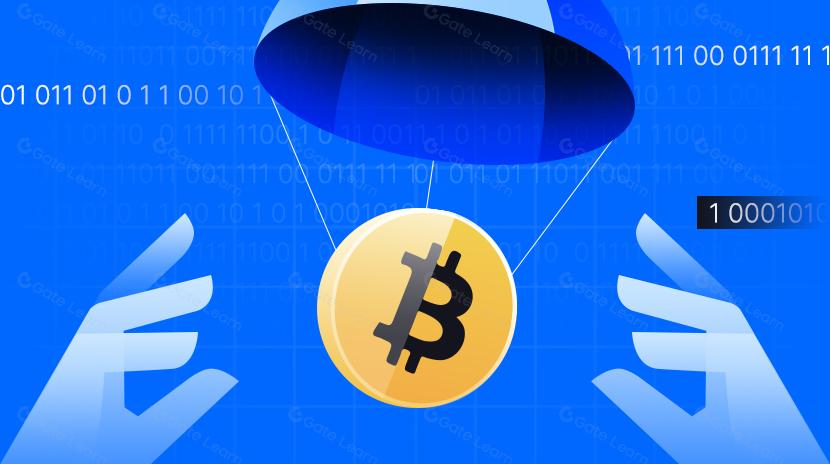
An airdrop refers to a project distributing tokens for free to users.
Typically, projects distribute “tokens” (blockchain-based tradable points) or “NFTs” (digital collectibles) to users based on predefined criteria. Common distribution rules include: historical wallet snapshots (token holdings on a specific date), completion of designated on-chain tasks, or rewarding community contributions. Once received, these airdropped tokens can be traded on exchanges or used in decentralized finance (DeFi) applications.
Why Should You Understand Airdrops?
Understanding airdrops helps you capture potential rewards and avoid risks.
Airdrops can turn your early “time investment” into tradable token rewards. For example, many who interacted with testnets or new blockchains later received significant airdrop rewards. On the flip side, scams using fake links, phishing sites, or malicious contracts under the guise of “airdrops” are common—knowing how to identify these is crucial.
Airdrops also impact project governance. Many projects allocate a portion of governance rights to airdropped addresses, allowing holders to vote on decisions. If you are active in an ecosystem but miss the claim window, you could lose both assets and participation rights.
How Do Airdrops Work?
Airdrops typically follow three steps: eligibility verification, claim window, and vesting or release schedule.
There are two common eligibility methods. The first is “snapshot distribution,” where the project records user balances and activities at a specific block height, then distributes tokens based on those records. The second is “task-based claims,” which require users to complete certain interactions—such as bridging assets, depositing or trading on a protocol. To prevent Sybil attacks (abusing multiple wallets for extra rewards), some projects add behavior analysis, blacklists, or additional conditions.
Claims are usually made through official websites or dedicated pages. You connect your wallet, sign a transaction, and confirm claim amounts and on-chain transactions. On Ethereum, claiming typically incurs “gas fees” (network transaction costs), often ranging from a few dollars to over ten dollars in congested periods. Most projects offer a 7–30 day claim period; unclaimed tokens may revert to community treasuries.
Vesting schedules are also important. Some airdrops are distributed all at once, while others use gradual unlocking (for example, monthly releases) to reduce sell pressure. Details are typically provided in the official announcement and determine whether you can cash out immediately or need to wait.
Common Types of Airdrops in the Crypto Ecosystem
Airdrops frequently occur in new layer-1/layer-2 networks, DeFi protocols, NFT ecosystems, and exchange campaigns.
For new L1/L2 networks, projects often airdrop tokens to reward testnet users and decentralize governance. For instance, in February 2024 Starknet launched STRK (10 billion supply) for early users; in June 2024 zkSync distributed ZK tokens on a large scale with new eligibility rules.
In DeFi, decentralized exchanges, lending protocols, and liquidity platforms may calculate user points based on trading volume, liquidity provision days, or holding duration—which later convert into airdrops. In 2024, Blast incentivized users with a “points season,” then settled and distributed tokens accordingly.
Within NFT ecosystems, addresses that trade or hold certain NFTs may receive airdrops as incentives to trade on specific marketplaces or hold blue-chip collections.
In exchange scenarios, after an airdrop, projects often quickly list trading pairs. For example, Gate allows users to deposit claimed tokens for spot trading; if relevant liquidity pools or market-making options are available, holders can earn trading fees or event rewards—maximizing capital efficiency.
How to Participate in Airdrops
Step 1: Select projects and confirm official sources. Follow the project’s official website, GitHub, Twitter, and Discord; verify domains and announcements to avoid phishing sites.
Step 2: Understand eligibility criteria. Check if the project uses snapshot (holdings/interactions before a specific date) or task-based rules (completing bridges, trades, staking, etc.). Record your wallet address and activity history to prevent omissions.
Step 3: Complete tasks and document proof. Follow instructions to interact with protocols; save screenshots of task pages, transaction hashes, and timestamps; if there’s a points system, monitor your accumulation regularly.
Step 4: Claim rewards and perform security checks. Connect your wallet to the official site to claim tokens; carefully check contract addresses and permission pop-ups. Set reasonable gas fees and try to claim during periods of low network congestion.
Step 5: Manage assets and trade wisely. If you plan to sell, transfer your tokens to Gate for spot trading or liquidity mining; if holding long-term, monitor vesting schedules and governance voting to avoid missing out on rights.
Recent Trends and Notable Data About Airdrops
Recent trends highlight stronger Sybil resistance measures, point-based tasks, and phased releases.
From late 2024 into 2025, task-based airdrops requiring multiple on-chain interactions and minimum holding periods have become mainstream; claim windows are mostly 7–30 days—delayed claims risk missing out. On Ethereum mainnet, typical claim gas fees range from $5–$20 per transaction, but can spike during high-demand launches.
To curb abuse, most major 2024 airdrops introduced stricter filters and requirements. For example, LayerZero’s June 2024 ZRO airdrop used donation-linked claims to discourage mass Sybil wallets; zkSync publicly outlined its eligibility review process amid increased industry discussion around fairness.
Regarding value trends: in both 2024 and early 2025, many airdropped tokens experienced significant volatility in their first week of trading (±30% is not uncommon for popular projects). Projects with phased releases saw more controlled initial sell pressure but require ongoing monitoring as future unlocks approach. These insights are based on public announcements and on-chain data through Q3 2025.
Common Misconceptions About Airdrops
Myth 1: Frequent interactions guarantee an airdrop. Many projects assess interaction quality and user retention—simple repetitive actions may not help and could even flag your wallet as a Sybil address.
Myth 2: Accepting all contract approvals is safe because “it’s free.” Overly broad approvals (like “unlimited spend”) can expose you to malicious contracts—always revoke unnecessary permissions after claiming.
Myth 3: You can sell all received tokens immediately. Vesting schedules often restrict how much can be sold at once; releasing tokens in phases impacts availability and price action.
Myth 4: Using only one address for all activities is safe. Mixing main assets and claim activities in one wallet makes risk management difficult. Use separate “primary” wallets for funds and “interaction” wallets for tasks; always back up your mnemonic phrase.
Myth 5: Overlooking exchange fees and on-chain costs. Transferring tokens to Gate for trading involves network fees and processing times; high gas fees during congestion can erode small rewards.
Key Terms
- Airdrop: A project’s activity of distributing tokens for free to user addresses as a means of promotion and expanding the user base.
- Wallet address: A user’s unique identifier on the blockchain, used for receiving and storing crypto assets.
- Smart contract: Self-executing code deployed on the blockchain that enables automated distribution logic for airdrops.
- Gas fee: The network transaction fee paid when claiming an airdrop, incentivizing miners or validators.
- Token allocation: The process by which project teams distribute airdropped tokens to eligible users based on set rules.
FAQ
Do I Need to Pay to Participate in an Airdrop?
Legitimate airdrops are completely free—the project distributes tokens directly to eligible wallet addresses. Beware of scams asking for “activation fees” or “deposits.” Always verify project details through trusted platforms like Gate to avoid fraud.
What Are the Requirements for Claiming an Airdrop?
Eligibility varies by project—it might involve holding certain tokens, completing social media tasks, or performing specific actions before a deadline. Requirements are detailed in official announcements. In most cases you simply need a crypto wallet address connected to the project’s website.
Should I Sell Airdropped Tokens Immediately?
This depends on your view of the project and risk appetite. New tokens often have limited liquidity—selling immediately can incur slippage losses. Research the project’s fundamentals and tokenomics first; don’t rush. Waiting until the token lists on Gate or another exchange may offer safer trading options.
Can I Participate If I Missed the Snapshot?
Most projects set a fixed snapshot date—if you miss it, you’re not eligible. However, some conduct multiple rounds of airdrops or offer follow-up incentive programs. Stay updated via official channels for new opportunities.
How Should I Prepare Before an Airdrop?
First, set up a secure crypto wallet (like MetaMask)—it’s best practice to create a separate account for airdrop activities. Then follow the project’s official channels for eligibility rules and deadlines. Finally, always verify websites before interacting to avoid phishing scams and asset loss.
Further Reading
Related Articles
12 Best Sites to Hunt Crypto Airdrops in 2025

Top 20 Crypto Airdrops in 2025