Markets Reprice Rate Cut Expectations as Fed Outlook Shifts
Interest Rate Futures Signal Higher Odds of a Rate Cut
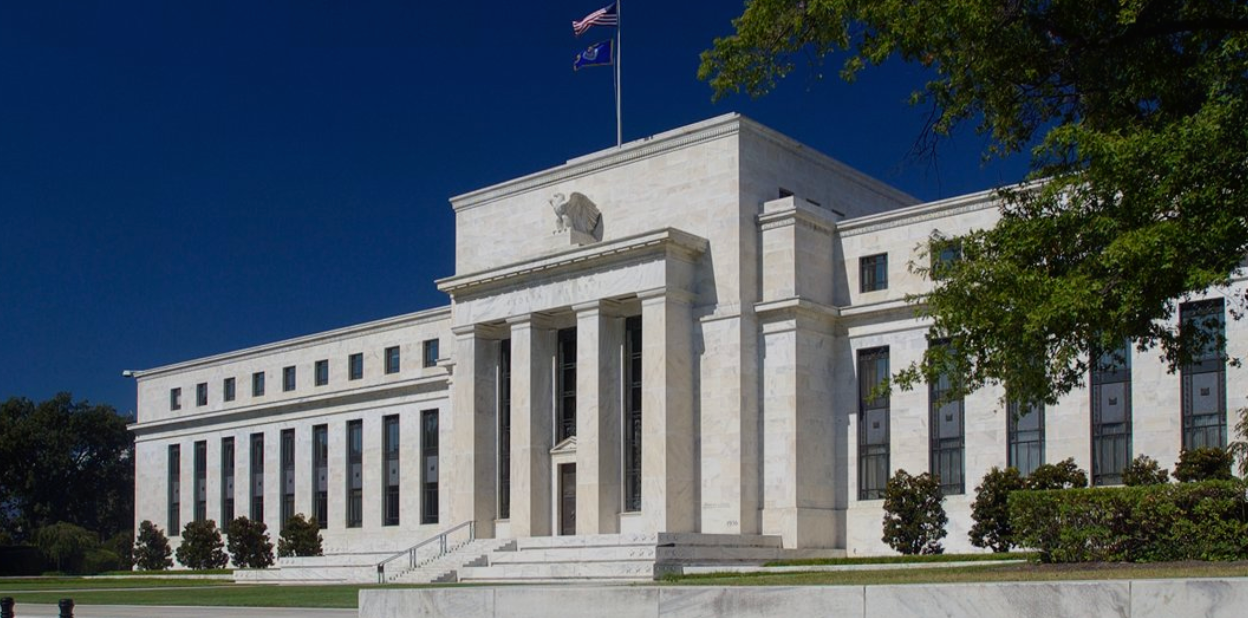
(Source: Federal Reserve)
Recent U.S. employment data has led to a modest increase in market expectations for near-term rate cuts. Movements in federal funds rate futures show that investors now see about a 30% chance of a rate cut starting in January next year, up from previously low levels. This indicates that even without clear signs of economic weakness, the market is already adjusting risk pricing in advance.
Medium- and Long-Term Easing Expectations Remain Steady
Following the release of employment and retail sales data, expectations for the Federal Reserve’s medium-term policy path have remained steady in the rate futures market. Most investors still anticipate that the Fed will cut rates about twice around 2026, with total easing close to 60 basis points. This underscores that the market’s fundamental view of slowing economic growth has not wavered.
Fed Leadership Changes Emerge as a Key Watchpoint
In addition to economic data, upcoming changes in the Federal Reserve’s top leadership have become a central market focus. With the current chair’s term nearing its end and public political pressure mounting on rate policy, investors are increasingly evaluating how a new chair could shift the Fed’s policy approach.
Room for a Dovish Shift
Some institutions believe that a new Fed chair could adopt a more flexible policy stance. Even if the economy remains relatively strong, any slight cooling in the labor market could justify an early rate cut. In this environment, monetary policy would focus more on proactive risk management than on simply reacting to a recession.
To explore more about Web3, click to register: https://www.gate.com/
Summary
Market assessments of the Fed’s rate cut path are shifting from single data-point reactions to a broader evaluation of policy structure and leadership changes. In the short term, subtle shifts in economic indicators will continue to drive rate expectations. Over the medium and long term, the new leadership’s policy direction and risk tolerance may ultimately set the pace for easing. Amid persistent uncertainty, the market will keep seeking new equilibrium among data, policy signals, and expectations.
Share
Content


Related Articles

2025 BTC Price Prediction: BTC Trend Forecast Based on Technical and Macroeconomic Data

Flare Crypto Explained: What Is Flare Network and Why It Matters in 2025

Pi Coin Transaction Guide: How to Transfer to Gate.com

How to Use a Crypto Whale Tracker: Top Tool Recommendation for 2025 to Follow Whale Moves

What is N2: An AI-Driven Layer 2 Solution