



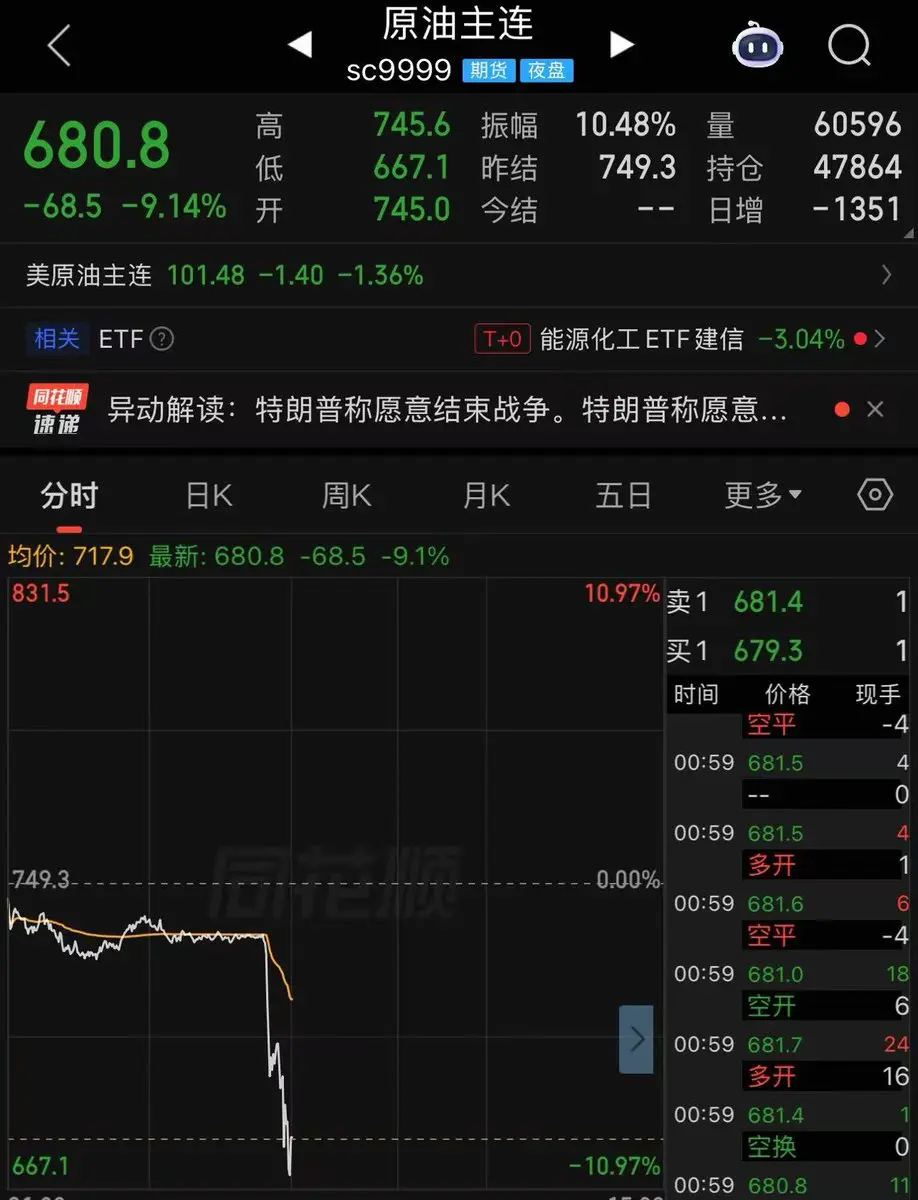


#特朗普释放停战信号
Right now, the global markets are facing a very unusual combination of events. There is tension between the US and Iran, oil prices are high and volatile, interest rate decisions are uncertain, and crypto markets are showing strong moves up and down. Traders and investors need to understand these factors carefully because each can affect their portfolios quickly. The combination of geopolitics, energy markets, and monetary policy makes this week especially important for financial decisions.
1️⃣ Trump’s Ceasefire Signal
On March 30, Trump announced a 15-point ceasefire plan to Iran through back-channel diplomacy. Iran has acknowledged receiving the plan but said it is “under review,” and they are not yet ready for direct negotiations. This shows that even though the headline makes it seem like peace is near, real change on the ground is still uncertain.
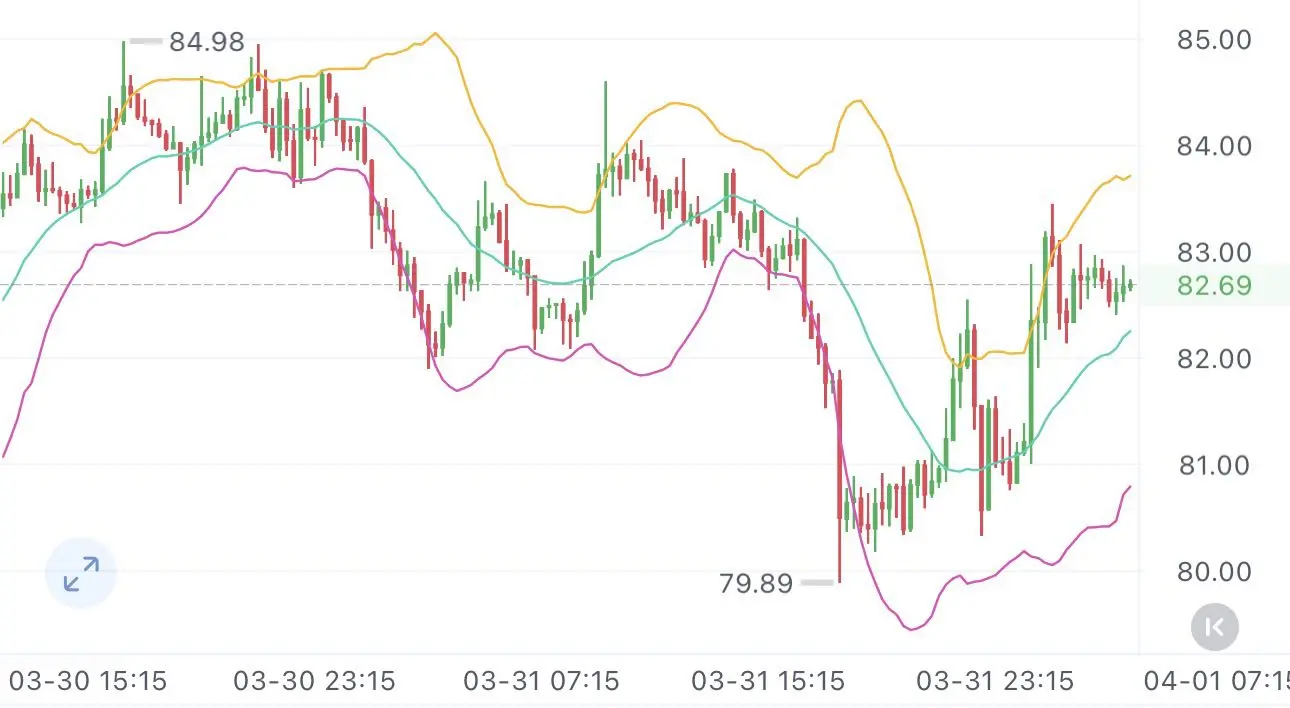
Trump also mentioned that Iran gave the US a kind of “oil gift” — permission for 10 oil tankers to pass through the Strait of Hormuz. Oil prices dropped slightly but quickly bounced back because markets understand the structural risk remains.
At the same time, Trump issued new military warnings, reminding the world that the US still has over 50,000 troops in the region, with more deployments on the way. Analysts suggest that Trump’s ceasefire announcement could be partly a tactical move to calm markets temporarily while maintaining leverage in negotiations and regional strategy.
Market takeaway:
Traders should treat ceasefire headlines as signals rather than facts. Until verified actions are taken on the ground, oil, equities, and crypto remain sensitive to even small developments in the region. The Strait of Hormuz is still a high-risk chokepoint that could move markets sharply with any news.
2️⃣ Powell and the Fed
Jerome Powell’s comments on March 30 at Harvard University provided some relief to the market amid all the uncertainty. He confirmed that the current Fed funds rate range of 3.50%–3.75% is appropriate, given ongoing oil price shocks and global risks. He emphasized patience, urging markets to focus on actual data rather than short-term headlines.
Inflation expectations remain controlled, even though energy prices are temporarily high. After Powell’s speech, the probability of a near-term Fed rate hike dropped dramatically — from over 50% to just 2.2% according to CME FedWatch. Bond yields fell, reducing stress in fixed-income markets, and liquidity stabilized.
Impact on Crypto:
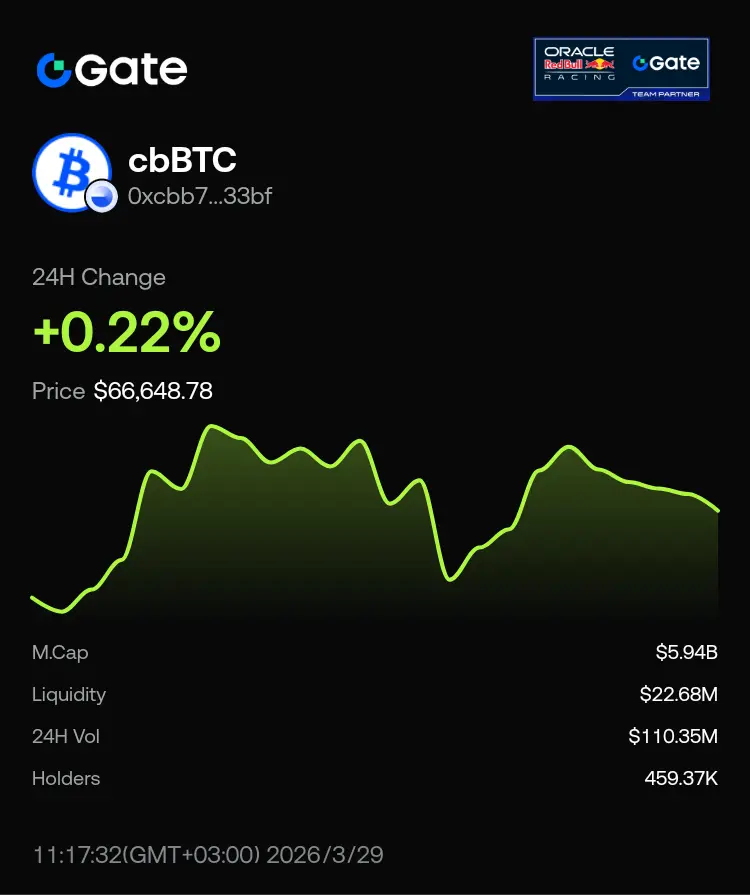
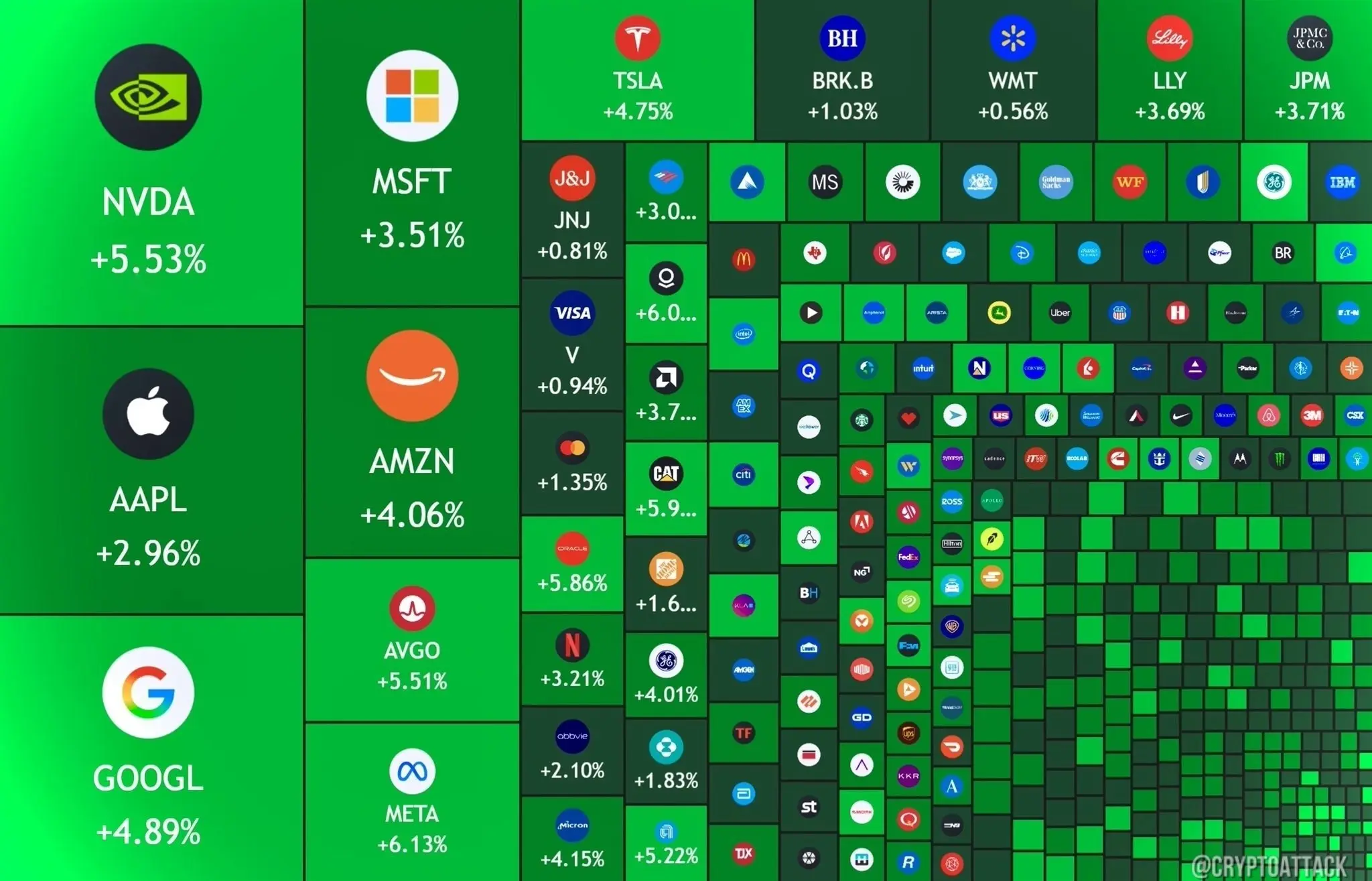
Bitcoin remained relatively strong despite volatility in equities.
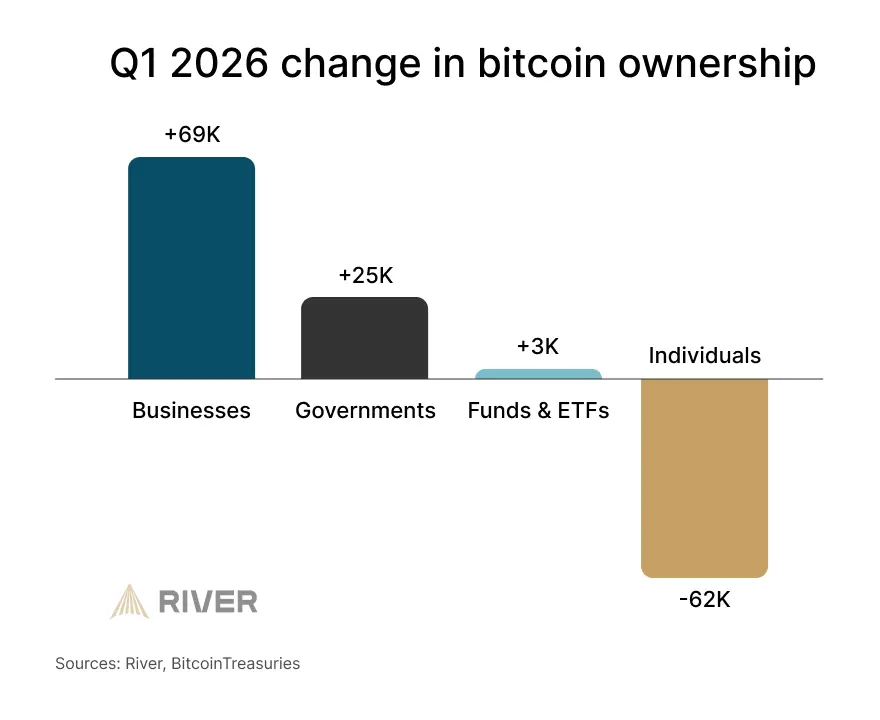
Institutional investors are actively accumulating BTC and ETH, showing professional confidence in the medium-term outlook.
The Fed’s dot plot suggests two potential rate cuts in 2026, which is positive for risk assets including crypto over the next 3–6 months.
Outlook:
Short-term volatility in BTC is likely to continue due to geopolitics and oil price shocks. However, if Iran tensions ease, crypto could see strong gains, potentially reaching $85,000–$88,000 in the coming weeks. Powell’s dovish stance reduces short-term interest rate risks, creating favorable conditions for medium-term crypto recovery.
3️⃣ Gold, Oil, or Crypto — Where to Put Money
Deciding where to allocate capital this week depends on your risk tolerance and time horizon.
Gold:
Gold recently tested $5,400/oz due to safe-haven demand.
Gains can reverse quickly if a real ceasefire happens, reducing geopolitical risk.
Best used as a hedge if tensions increase, but timing is uncertain.
Oil (WTI):
Oil above $100 reflects market fear, not necessarily fundamentals.
Prices could fall quickly if there is a credible ceasefire or smoother tanker traffic through the Hormuz Strait.
Traders should manage risk carefully with stop-losses and position sizing.
Crypto (BTC Focus):
Bitcoin currently behaves like a risk asset, moving with equities and sensitive to macro shocks.
Positive signs: dovish Fed stance, potential rate cuts, rising institutional accumulation, and BTC dominance trending upward.
Risks: ongoing oil volatility, Hormuz Strait uncertainty, and sudden retail sentiment changes.
Short-term: expect ups and downs in the $75,000–$80,000 range if oil spikes or conflict escalates.
Medium-term (4–8 weeks): if tensions ease, BTC could outperform both gold and oil, showing strong asymmetric upside potential.
Simple Strategy:
Keep a core crypto allocation for medium-term growth.
Hedge with gold or oil to protect against unexpected geopolitical shocks.
Avoid putting everything in one asset; liquidity management is key because sudden events can force sharp price moves.
Why This Week Is Important
We are navigating a rare mix of macro and geopolitical factors:
US-Iran conflict is ongoing, but ceasefire headlines are creating mixed signals.
Oil prices above $100 dominate short-term risk and influence almost all markets.
The Fed’s patient stance reduces immediate rate risk, but energy-driven shocks are more powerful in the short term.
BTC and ETH are seeing strong institutional support, creating a rare opportunity for asymmetric upside — meaning risk seems high, but potential gains are also large if conditions improve.
The next 10 days will be critical:
Tankers passing through the Hormuz Strait.
Actual progress on ceasefire or peace negotiations.
Oil and crypto market reactions to any geopolitical updates.
Key Takeaways:
Ceasefire news = mostly noise until verified on the ground.
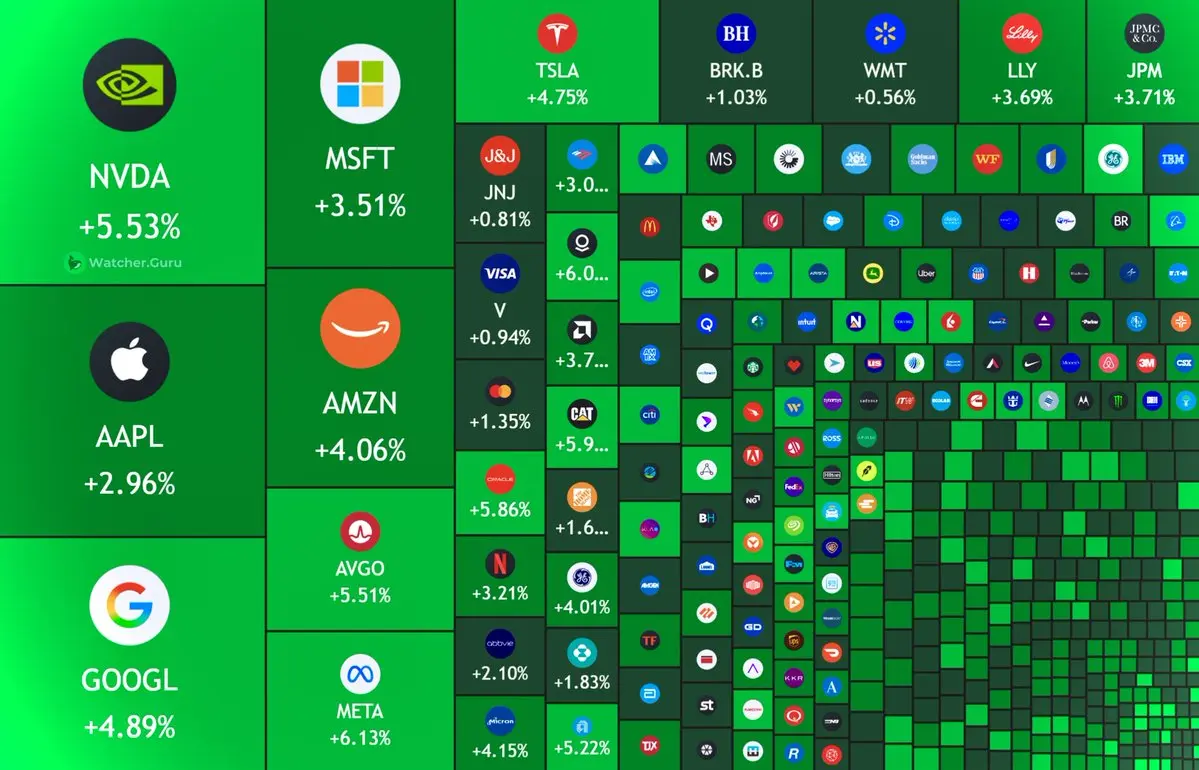
Powell’s dovish stance = short-term relief for risk assets but not a full rally trigger.
BTC shows structural support through institutional accumulation — a core position if medium-term conditions stabilize.
Gold and oil are tactical hedges, not primary return drivers.
Liquidity, positioning, and risk management matter more than headlines.
✅ Bottom Line:
This is a high-risk, high-opportunity week for traders. Keep crypto as a core asset for medium-term growth, use gold and oil as hedges, and watch headlines carefully, but focus on actual market actions. Managing risk and staying flexible will be more important than trying to predict the next news move.
Right now, the global markets are facing a very unusual combination of events. There is tension between the US and Iran, oil prices are high and volatile, interest rate decisions are uncertain, and crypto markets are showing strong moves up and down. Traders and investors need to understand these factors carefully because each can affect their portfolios quickly. The combination of geopolitics, energy markets, and monetary policy makes this week especially important for financial decisions.
1️⃣ Trump’s Ceasefire Signal
On March 30, Trump announced a 15-point ceasefire plan to Iran through back-channel diplomacy. Iran has acknowledged receiving the plan but said it is “under review,” and they are not yet ready for direct negotiations. This shows that even though the headline makes it seem like peace is near, real change on the ground is still uncertain.
Trump also mentioned that Iran gave the US a kind of “oil gift” — permission for 10 oil tankers to pass through the Strait of Hormuz. Oil prices dropped slightly but quickly bounced back because markets understand the structural risk remains.
At the same time, Trump issued new military warnings, reminding the world that the US still has over 50,000 troops in the region, with more deployments on the way. Analysts suggest that Trump’s ceasefire announcement could be partly a tactical move to calm markets temporarily while maintaining leverage in negotiations and regional strategy.
Market takeaway:
Traders should treat ceasefire headlines as signals rather than facts. Until verified actions are taken on the ground, oil, equities, and crypto remain sensitive to even small developments in the region. The Strait of Hormuz is still a high-risk chokepoint that could move markets sharply with any news.
2️⃣ Powell and the Fed
Jerome Powell’s comments on March 30 at Harvard University provided some relief to the market amid all the uncertainty. He confirmed that the current Fed funds rate range of 3.50%–3.75% is appropriate, given ongoing oil price shocks and global risks. He emphasized patience, urging markets to focus on actual data rather than short-term headlines.
Inflation expectations remain controlled, even though energy prices are temporarily high. After Powell’s speech, the probability of a near-term Fed rate hike dropped dramatically — from over 50% to just 2.2% according to CME FedWatch. Bond yields fell, reducing stress in fixed-income markets, and liquidity stabilized.
Impact on Crypto:
Bitcoin remained relatively strong despite volatility in equities.
Institutional investors are actively accumulating BTC and ETH, showing professional confidence in the medium-term outlook.
The Fed’s dot plot suggests two potential rate cuts in 2026, which is positive for risk assets including crypto over the next 3–6 months.
Outlook:
Short-term volatility in BTC is likely to continue due to geopolitics and oil price shocks. However, if Iran tensions ease, crypto could see strong gains, potentially reaching $85,000–$88,000 in the coming weeks. Powell’s dovish stance reduces short-term interest rate risks, creating favorable conditions for medium-term crypto recovery.
3️⃣ Gold, Oil, or Crypto — Where to Put Money
Deciding where to allocate capital this week depends on your risk tolerance and time horizon.
Gold:
Gold recently tested $5,400/oz due to safe-haven demand.
Gains can reverse quickly if a real ceasefire happens, reducing geopolitical risk.
Best used as a hedge if tensions increase, but timing is uncertain.
Oil (WTI):
Oil above $100 reflects market fear, not necessarily fundamentals.
Prices could fall quickly if there is a credible ceasefire or smoother tanker traffic through the Hormuz Strait.
Traders should manage risk carefully with stop-losses and position sizing.
Crypto (BTC Focus):
Bitcoin currently behaves like a risk asset, moving with equities and sensitive to macro shocks.
Positive signs: dovish Fed stance, potential rate cuts, rising institutional accumulation, and BTC dominance trending upward.
Risks: ongoing oil volatility, Hormuz Strait uncertainty, and sudden retail sentiment changes.
Short-term: expect ups and downs in the $75,000–$80,000 range if oil spikes or conflict escalates.
Medium-term (4–8 weeks): if tensions ease, BTC could outperform both gold and oil, showing strong asymmetric upside potential.
Simple Strategy:
Keep a core crypto allocation for medium-term growth.
Hedge with gold or oil to protect against unexpected geopolitical shocks.
Avoid putting everything in one asset; liquidity management is key because sudden events can force sharp price moves.
Why This Week Is Important
We are navigating a rare mix of macro and geopolitical factors:
US-Iran conflict is ongoing, but ceasefire headlines are creating mixed signals.
Oil prices above $100 dominate short-term risk and influence almost all markets.
The Fed’s patient stance reduces immediate rate risk, but energy-driven shocks are more powerful in the short term.
BTC and ETH are seeing strong institutional support, creating a rare opportunity for asymmetric upside — meaning risk seems high, but potential gains are also large if conditions improve.
The next 10 days will be critical:
Tankers passing through the Hormuz Strait.
Actual progress on ceasefire or peace negotiations.
Oil and crypto market reactions to any geopolitical updates.
Key Takeaways:
Ceasefire news = mostly noise until verified on the ground.
Powell’s dovish stance = short-term relief for risk assets but not a full rally trigger.
BTC shows structural support through institutional accumulation — a core position if medium-term conditions stabilize.
Gold and oil are tactical hedges, not primary return drivers.
Liquidity, positioning, and risk management matter more than headlines.
✅ Bottom Line:
This is a high-risk, high-opportunity week for traders. Keep crypto as a core asset for medium-term growth, use gold and oil as hedges, and watch headlines carefully, but focus on actual market actions. Managing risk and staying flexible will be more important than trying to predict the next news move.