BabaJi

vip
Age 1 Year
Peak Tier 5
No content yet
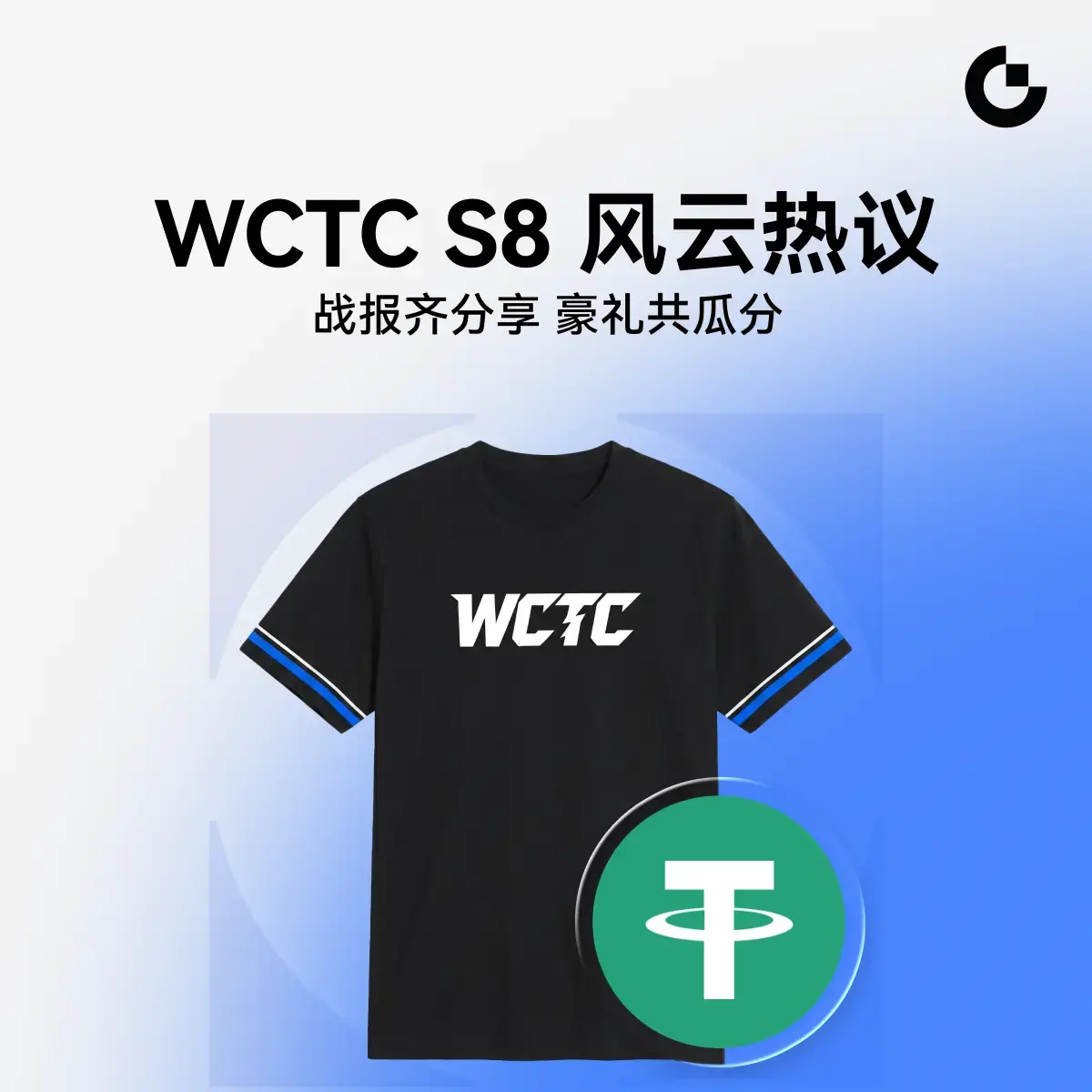
#WCTCTradingKingPK 🚨
🚨 WCTC Trading King PK — Deep Research Analysis (2026 Edition)
The World Crypto Trading Championship Season 8 is not a casual trading event.
It is a high-pressure competitive trading battlefield built around real capital behavior, ranking systems, and psychological stress testing.
🔹 1. What WCTC Actually Represents
This is not just a leaderboard contest — it is a simulation of market survival under extreme conditions:
• Real-time PnL competition
• Aggressive ranking pressure
• Constant performance comparison
It reflects how traders behave when stakes are visible and ti
DragonFlyOfficial
#WCTCTradingKingPK
🚨 WCTC Trading King PK — Deep Research Analysis (2026 Edition)
WCTC (World Crypto Trading Championship) S8 is not a casual trading event. It is a high-pressure competitive trading battlefield built around real capital behavior, ranking systems, and psychological stress testing. This analysis breaks down what it really is, how it works, and where traders usually misjudge it.
🧠 1. What WCTC Trading King PK Actually Is
WCTC S8 is a global trading competition hosted by Gate with a total prize pool of up to $8 million, running in multiple formats:
🏆 Team competition
👤 Individual ranking
⚔️ 1v1 “King PK” direct battle mode
The King PK mode is the most aggressive structure:
Two traders face each other directly
Same market conditions
Winner is decided by ROI / performance within a fixed time window
No long-term luck bias — only execution matters
⚙️ 2. Market Reality Behind This Event
Here is the truth most people ignore:
📊 This is not “competition trading”
It is forced high-frequency decision pressure under ranking incentives.
That creates 3 major distortions:
1. Overtrading Risk
Traders increase volume to chase rankings → this reduces edge quality.
2. Emotional Execution Bias
PK format creates:
revenge trading
over-leverage behavior
early entry mistakes
3. Market Noise Amplification
Because thousands of traders act simultaneously:
volatility increases artificially
liquidity becomes unstable in short bursts
⚔️ 3. King PK Mode — Real Strategic Structure
King PK is the most important innovation:
1v1 matchmaking system
ROI-based winner selection
short fixed match cycles
scoring system based on performance
🔥 What this really means:
It rewards:
fast decision-making
strict risk control
precision entries
But it punishes:
hesitation
over-analysis
poor stop-loss discipline
📉 4. Real Winning Edge (What Top Traders Actually Do)
Most retail traders fail because they treat it like gambling.
Top performers usually:
✅ Use low-frequency setups
Only trade high probability zones (not every move)
Avoid chasing volatility spikes
✅ Limit exposure per match
small controlled position size
strict max loss rule per round
✅ Focus on survival > ranking
Because ranking systems:
punish drawdowns more than they reward wins
⚠️ 5. Biggest Mistakes Traders Make
If you are participating or planning to:
❌ Mistake 1: Chasing leaderboard
You start trading “for ranking” instead of “for edge”
❌ Mistake 2: Ignoring opponent behavior
Many traders don’t adapt to:
scalper vs swing opponent styles
❌ Mistake 3: No cooldown discipline
Continuous PK matches = emotional exhaustion → bad entries
📊 6. Strategic Reality of WCTC (Important Truth)
This type of competition is not designed to:
make everyone profitable
teach trading
reward consistency
It is designed to:
increase trading volume
create engagement loops
identify aggressive traders
That’s why only a small percentage actually win consistently.
🧩 7. How You Should Think About It (Critical Advice)
If your goal is serious growth:
✔️ Use WCTC as:
psychological training
execution testing ground
strategy validation system
❌ Do NOT use it as:
income source
signal system
“get rich” shortcut
Because that mindset leads to:
forced overtrading → fast capital loss
🧭 Final Verdict
WCTC Trading King PK is essentially:
A competitive trading simulation under real market pressure, not a normal trading opportunity.
It rewards discipline more than prediction accuracy, and execution more than analysis.
🎯 High-Impact Next Step (No fluff)
If you want to use this properly:
Backtest 2–3 simple setups only
Define strict loss limit per PK match
Track every trade like a performance athlete
Ignore leaderboard emotions completely
If you fail this discipline layer, you are just feeding volatility—not trading it.
repost-content-media
  • Reward
  • 2
  • Repost
  • Share
CryptoDiscovery:
good information for sharing 💯
View More
#WCTCTradingKingPK 🏆
WCTC Trading King PK is not just a competition — it’s a real-time test of discipline, execution, and risk control under pressure.
Most traders don’t fail because of strategy.
They fail because they overtrade while chasing rankings.
🔹 1. What This Competition Really Tests
In this format, survival and consistency matter more than aggressive wins:
• Capital preservation over big swings
• Controlled risk per trade
• Emotional discipline under leaderboard pressure
🔹 2. The Hidden Edge in Trading Competitions
Many participants focus on:
• High-frequency trades
• Short-term l
DragonFlyOfficial
#WCTCTradingKingPK
WCTC Trading King PK is not just a competition — it’s a real-time test of discipline, execution, and risk control under pressure. Most traders don’t fail because of strategy, they fail because they overtrade while chasing rankings. In this format, survival and consistency matter more than aggressive wins. If your risk is not controlled, the leaderboard will punish you fast.
#WCTC交易王PK
repost-content-media
  • Reward
  • Comment
  • Repost
  • Share
#USSeeksStrategicBitcoinReserve 🧠
⚠️ Reality Check (Important)
There is no credible public confirmation that the U.S. Department of Defense is running “covert Bitcoin accumulation operations.”
Governments (including the United States) have seized crypto in criminal cases — including funds linked to sanctioned entities — but the widely circulated “$500M covert accumulation” narrative is not independently verified.
The idea of a “Strategic Bitcoin Reserve” remains a speculative policy discussion, not confirmed state doctrine.
👉 So this should be treated as:
Narrative + speculation layered on
BTC0.14%
DragonFlyOfficial
#USSeeksStrategicBitcoinReserve
🧠 Reality Check (Important)
There is no credible public confirmation that the U.S. Department of Defense is running “covert Bitcoin accumulation operations.”
Governments (including the U.S.) have seized crypto in criminal cases (including Iran-linked funds in past reports), but the $500M figure in this exact framing is not independently verified here.
The idea of a “Strategic Bitcoin Reserve” is currently speculative policy discussion, not confirmed state doctrine.
So treat this as:
🟡 Narrative + speculation layered on top of partial real events, not confirmed policy reality.
🌍 What IS actually happening (real trend)
Even without hype, a few real shifts are clear:
1. Governments are now holding seized crypto
Bitcoin is increasingly part of law enforcement asset seizures
Some countries auction or hold these assets temporarily
2. Crypto is entering geopolitical awareness
Not as “currency replacement”
But as:
sanctions bypass concern
cross-border asset monitoring target
intelligence tracking layer
3. States are focusing on control, not adoption
Most governments are thinking:
“How do we monitor or restrict crypto flows?”
not
“How do we adopt Bitcoin as reserve currency?”
⚔️ Market Impact Reality
If narratives like this spread:
📈 Short-term
Speculative pumps in BTC due to “reserve narrative hype”
Increased volatility from geopolitical fear trading
📉 Medium-term
Sharp corrections when claims are debunked or cooled down
Retail gets trapped in narrative-driven entries
🧭 Critical Trading Insight (important for you)
This type of news is not signal-worthy by itself.
Professional approach:
Do NOT trade headlines
Trade only when:
liquidity confirms direction
structure breaks
volume supports move
Otherwise you are just trading:
“story volatility”, not market structure
🔥 Strategic Summary
“Strategic Bitcoin Reserve” narrative = speculative geopolitical story
Real trend = governments tracking and seizing crypto, not fully adopting it
Market reaction = short-term hype, long-term mean reversion
repost-content-media
  • Reward
  • 3
  • Repost
  • Share
Yusfirah:
2026 GOGOGO 👊
View More
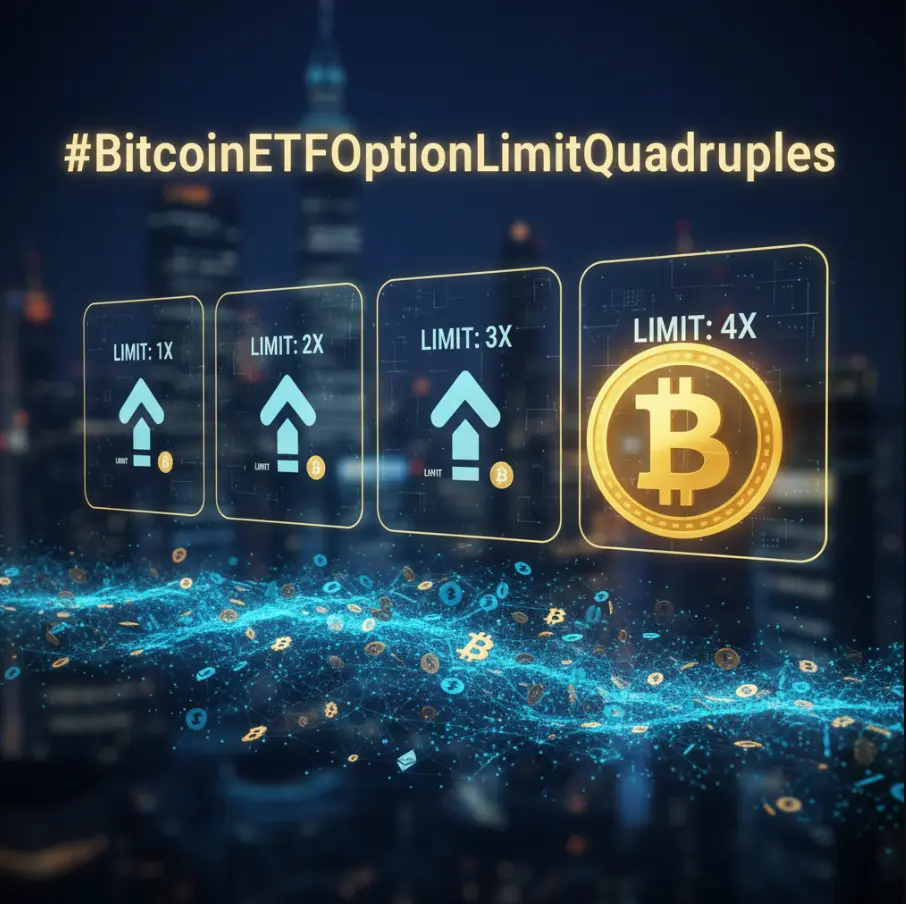
#BitcoinETFOptionLimitQuadruples 📊
🧠 What actually happened
If the U.S. Securities and Exchange Commission approved raising position limits on iShares Bitcoin Trust (IBIT) options (from 250K → 1,000,000 contracts), the core meaning is:
➡️ The market is being prepared for much larger institutional participation
🔹 1. Why This Matters
Higher position limits allow:
• Bigger hedging strategies
• More complex derivatives positioning
• Increased liquidity in options markets
This isn’t retail-driven — it’s institutional infrastructure scaling.
🔹 2. Impact on Bitcoin Market
For Bitcoin, this could
BTC0.14%
DragonFlyOfficial
#BitcoinETFOptionLimitQuadruples
🧠 What actually happened
If the SEC approved raising position limits on IBIT options (from 250k → 1,000,000 contracts), the core meaning is:
Market participants can now take much larger options exposure
Institutions have more room for hedging + speculative positioning
It reflects growing liquidity confidence in Bitcoin ETF derivatives
This is about market capacity expansion, not price direction.
⚙️ Why this matters (real impact)
1. Institutional participation increases
Bigger limits = easier for funds to:
hedge large BTC ETF positions
run structured products
scale volatility strategies
This is a long-term maturity signal, not a short-term pump trigger.
2. Liquidity improves — but so does leverage
More options capacity means:
tighter spreads (good)
deeper markets (good)
bigger derivative positioning (risky)
That last point matters most.
3. Volatility can actually increase
This is where retail usually misunderstands it.
Options expansion can lead to:
stronger gamma effects (fast moves when price hits key levels)
more hedging flows during volatility spikes
sharper intraday reversals
So yes:
More tools = more stability in theory, but also more explosive short-term moves in practice.
⚔️ Trader Reality (what you should care about)
Don’t read this as “BTC bullish/bearish”.
Read it as:
🟡 Market structure shift
More institutional derivative activity
More liquidity around ETF-linked flows
Higher sensitivity to options positioning zones
📉 Common retail mistake
Most traders will:
hear “limit increase”
assume “big money buying BTC”
enter late long positions
get trapped in volatility spikes
That’s not edge — that’s narrative trading.
🧭 Strategic takeaway
If you want to stay ahead:
Track options positioning, not headlines
Watch ETF inflows/outflows
Respect volatility expansion zones near expiry dates
Avoid directional bias from regulatory news alone
🔥 Bottom line
This move is:
A sign of Bitcoin ETF market maturation + increased institutional flexibility, NOT a directional price signal.
It likely leads to:
better liquidity long-term
sharper volatility cycles short-term
repost-content-media
  • Reward
  • Comment
  • Repost
  • Share
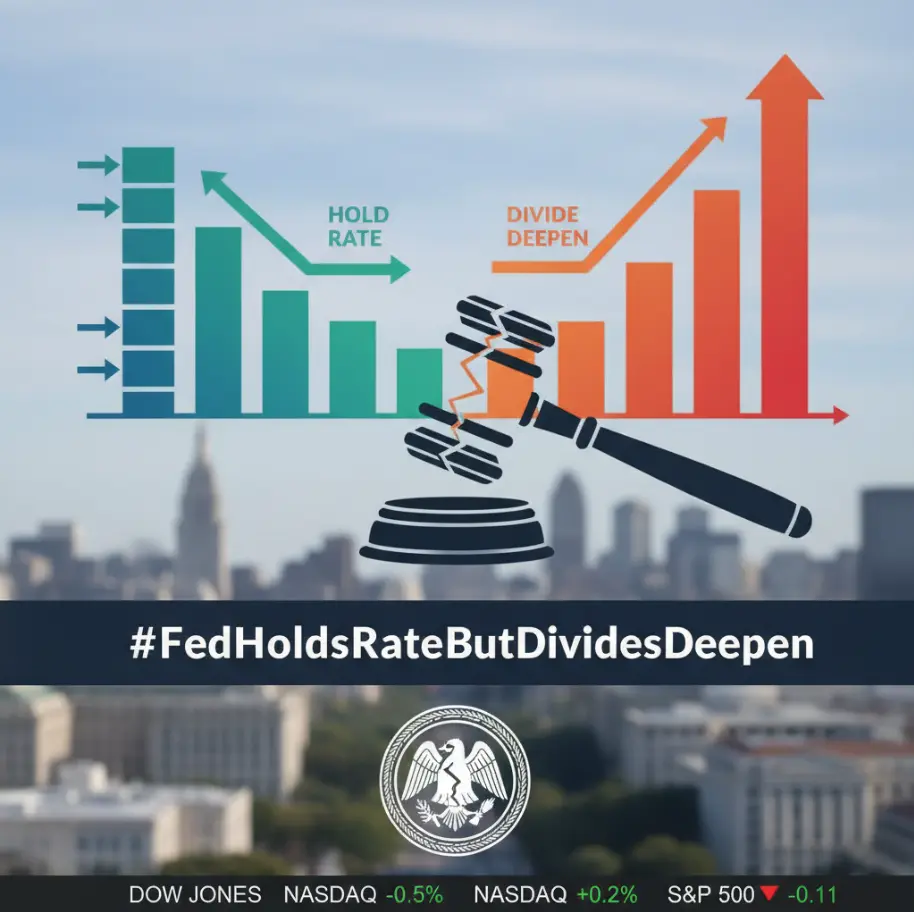
#FedHoldsRateButDividesDeepen 🏦
🧠 What actually matters here
🏦 1. Rate decision: HOLD (3.50%–3.75%)
The Federal Reserve keeping rates unchanged is not surprising — this is a policy pause, not a pivot.
It signals caution, not confidence.
🔹 2. The Real Story: Internal Division
What stands out isn’t the decision — it’s the disagreement behind it:
• Some policymakers still see inflation risks
• Others are worried about slowing growth
• The path forward is becoming less unified
This kind of split increases uncertainty in markets.
🔹 3. Market Interpretation
A “hold” in a divided Fed environmen
DragonFlyOfficial
#FedHoldsRateButDividesDeepen
🧠 What actually matters here
🏦 1. Rate decision: HOLD (3.50%–3.75%)
The Fed keeping rates unchanged is not surprising — this is policy pause continuation, not a new regime.
What matters more is:
inflation trajectory
labor strength
energy shock sensitivity
⚠️ 2. Internal divide (8–4 vote)
This is the real signal.
A wider split means:
Fed consensus is weakening
policy direction is becoming less predictable
future decisions may swing faster
But don’t overreact — internal disagreement is common before major policy shifts.
🛢️ 3. Oil + inflation pressure
Higher oil prices matter because:
they feed CPI directly
they reduce Fed flexibility
they increase “sticky inflation” fears
This is why markets get sensitive to geopolitical energy shocks.
📉 Market impact (realistic, not emotional)
Short-term:
risk assets (BTC, stocks) face volatility pressure
dollar strength may increase
liquidity tightens slightly
Medium-term:
if inflation persists → “higher for longer” narrative strengthens
if growth slows → pivot expectations return
⚔️ Trading reality (important)
Most traders will misread this as:
“bearish news → short everything”
That is weak execution thinking.
Real approach:
Fed pause = neutral base
vote split = uncertainty expansion (volatility, not direction)
oil = inflation volatility trigger
So the edge is:
trade volatility, not bias
🧭 Strategic takeaway
No confirmed pivot signal yet
Policy uncertainty is increasing
Market will likely become range + spike driven, not trend-driven
Macro = volatility driver, not entry signal
🔥 Bottom line
This Fed meeting is not about “hawkish or dovish victory.”
It is about:
growing internal disagreement + inflation persistence risk → higher uncertainty, not a clear directional call.
repost-content-media
  • Reward
  • Comment
  • Repost
  • Share
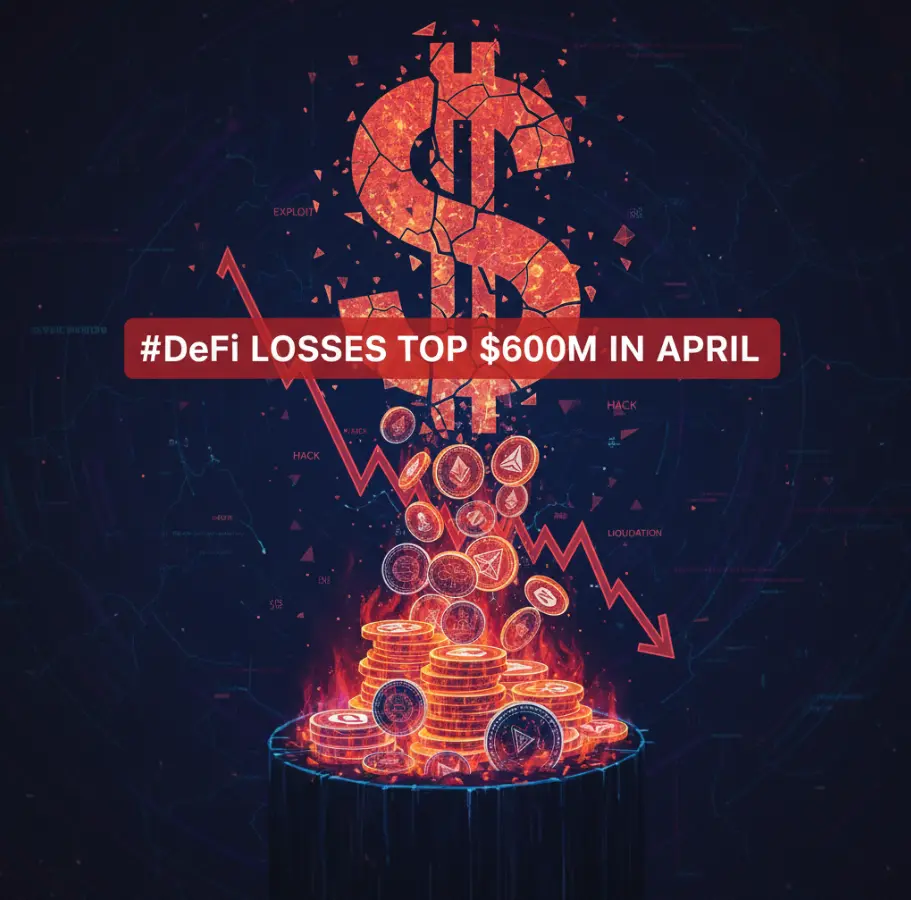
#DeFiLossesTop600MInApril 🚨
🧠 What actually stands out
Even if we filter the exact figures, the trend is clear:
• Multiple protocol exploits in a short time window
• Repeated attack patterns across different platforms
• Security weaknesses being systematically targeted
This isn’t random — it’s structural.
🔹 1. What This Signals
The clustering of exploits suggests:
• Attackers are getting faster and more coordinated
• Vulnerabilities are being reused across protocols
• Security isn’t scaling at the same pace as innovation
DeFi is growing — but so are its risks.
🔹 2. Where Things Are Breaki
CROSS6.29%
DragonFlyOfficial
#DeFiLossesTop600MInApril
🧠 What actually stands out
Even if we filter the exact figures, the trend is clear:
Multiple protocol exploits in a short time window
Large cumulative losses in a single month
Repeated attacks across different ecosystems (not isolated cases)
This is the real signal:
DeFi security risk is not episodic anymore — it’s becoming continuous.
⚠️ Key reality check (important)
Some of the specific numbers and incidents you mentioned may be:
mixed across reports
partially aggregated
or not uniformly verified at protocol level
But even if we adjust for reporting noise, the directional truth remains unchanged:
Exploit frequency and attack sophistication are increasing.
🧨 Why this is happening (core drivers)
1. Composability = attack surface multiplication
DeFi systems are built like Lego blocks:
one protocol depends on another
one vulnerability can cascade
So:
More integrations = more entry points for attackers
2. Liquidity concentration
Large TVL pools attract:
MEV bots
flash loan attacks
smart contract exploits
Money density = target density
3. Fast deployment culture
Many protocols:
launch quickly
audit lightly (or once only)
upgrade frequently
This creates security lag behind innovation
📉 Market impact reality
Short-term
Trust shock in smaller protocols
Flight to safer assets (BTC, ETH, stable majors)
Liquidity withdrawal from high-risk farms
Medium-term
Higher insurance demand (DeFi coverage protocols)
More audits, slower launches
Regulatory pressure increases
⚔️ Trader takeaway (important)
Don’t interpret this as:
“DeFi is dead” or “everything will crash”
That’s emotional thinking.
Real interpretation:
Risk is being repriced inside DeFi — capital will concentrate into fewer, more trusted protocols.
🧭 Strategic insight
The market is shifting from:
“high yield everywhere” → to
“selective trust + risk filtering”
That means:
stronger protocols survive
weak forks get drained faster
capital becomes more defensive
🔥 Bottom line
DeFi is not collapsing — it is stress-testing at scale.
But the message from April is clear:
Innovation speed is currently faster than security maturity, and that gap is where losses are happening.
repost-content-media
  • Reward
  • 1
  • Repost
  • Share
Yunna:
To The Moon 🌕
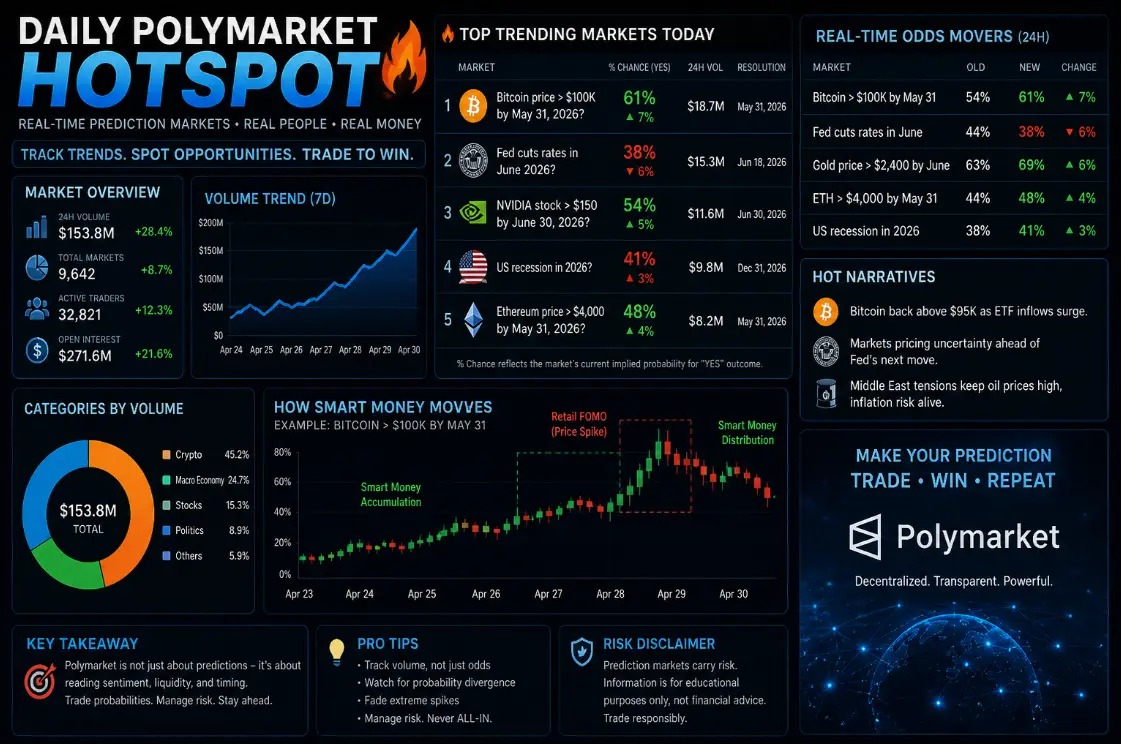
#DailyPolymarketHotspot 📊
Daily Polymarket Hotspot
Polymarket has evolved from a niche crypto prediction platform into a real-time macro sentiment engine — where capital flows reflect collective market intelligence.
This isn’t just speculation anymore. It’s data-driven conviction.
🔹 1. What Makes Polymarket Different
Unlike traditional analysis platforms, Polymarket turns opinions into positions:
• Users don’t just predict — they stake capital
• Prices reflect probability, not narratives
• Markets update in real-time as sentiment shifts
This creates a live pulse of global expectations.
🔹 2
DragonFlyOfficial
#DailyPolymarketHotspot
📊 Daily Polymarket Hotspot
Polymarket has evolved from a niche crypto prediction platform into a real-time macro sentiment engine where capital flows reflect collective expectations on crypto, politics, and global economics. The real edge is no longer “guessing outcomes” — it is reading probability shifts, liquidity spikes, and narrative acceleration before the crowd fully reacts.
🧠 1. What Polymarket Really Represents Today
Polymarket is not a betting site anymore. It functions as:
📈 Decentralized probability pricing system
⚡ Real-time sentiment aggregator for macro events
🧩 Early signal layer for crypto + Fed + geopolitical expectations
Markets update continuously as traders reposition based on:
news flow
macro data
liquidity movements
whale positioning
This is why it often reacts faster than traditional media.
⚙️ 2. Core Mechanics Behind “Hotspot” Movements
Daily hotspot activity is usually driven by 4 forces:
1. Liquidity concentration
When volume clusters in one market:
probability becomes more “stable”
but reactions become sharper when it breaks
2. Narrative events
Examples:
Fed decisions
Bitcoin breakout targets
geopolitical tension
regulatory headlines
These create fast repricing cycles
3. Whale positioning
Large traders often:
accumulate early positions quietly
exit into retail hype
distort short-term probability accuracy
4. Retail momentum
Retail flow usually:
follows headlines late
amplifies volatility after initial move
📉 3. Real Edge (What Most Traders Miss)
Most users think:
“Polymarket = prediction accuracy”
Wrong.
The real edge is:
detecting probability divergence between informed traders and emotional traders
When this gap appears:
early money enters
late money reacts
sharp price correction follows
⚔️ 4. Trading Reality (Critical Insight)
Polymarket is NOT a passive forecasting tool.
It behaves more like:
micro futures market
sentiment-driven liquidity pool
event volatility index
Common mistake:
❌ treating odds as truth
✔ treating odds as positioned expectations
📊 5. Market Behavior Pattern (Daily Cycle)
Typical hotspot cycle:
News breaks → sharp probability jump
Liquidity rush enters
Overreaction phase (retail FOMO)
Smart money fades extremes
Stabilization or reversal before resolution
This is why:
“Fade the spike, don’t chase it” is often the professional approach.
🧭 6. Strategic Takeaway
Polymarket is most useful for:
identifying macro sentiment shifts early
tracking liquidity-driven expectations
understanding crowd positioning vs informed positioning
It is NOT reliable for:
exact forecasting certainty
emotional trading decisions
late-entry speculation
🔥 Final Verdict
Daily Polymarket Hotspot is essentially:
a live battlefield of narrative vs liquidity, where probability is constantly being repriced by information speed, not just accuracy.
The real winners are not predictors — they are probability readers who understand flow, timing, and crowd behavior.
repost-content-media
  • Reward
  • 1
  • Repost
  • Share
BeautifulDay:
To The Moon 🌕
📊 Polymarket Daily Hot Topics — Elon Musk vs OpenAI Case Analysis
The lawsuit between Elon Musk and OpenAI is more than a legal dispute — it’s a structural battle over the future of AI.
This case raises critical questions around ownership, governance, and commercialization of one of the most powerful technologies ever created.
🔹 1. The Core Conflict
At the heart of the dispute:
• Should AI remain open and nonprofit-driven?
• Or evolve into a profit-oriented, controlled ecosystem?
Elon Musk argues that OpenAI has deviated from its original mission.
Meanwhile, OpenAI defends the need for scale
DragonFlyOfficial
📊 Polymarket Daily Hot Topics — Elon Musk vs OpenAI Case Analysis
The lawsuit between Elon Musk and OpenAI is more than a legal dispute — it is a structural debate about the future of AI ownership, governance, and commercialization.
At the core of this case lies a critical question:
Can an organization originally framed as “non-profit and open-source” evolve into a profit-driven entity without violating its founding principles?
🧠 Key Analytical Breakdown
⚖️ 1. Legal vs Narrative Reality
Legally, the court will examine founding agreements and structural commitments.
Narratively, the market is focused on trust erosion in AI governance models.
Even before verdicts, perception itself can reshape valuation expectations.
💡 2. Market Impact Channel (Not Just Legal Outcome)
Regardless of final ruling, three macro effects are already in play:
🔹 Increased scrutiny on AI foundation models
🔹 Rising regulatory attention on AI monetization structures
🔹 Higher uncertainty premium in AI-related equities and tech sentiment
📉 3. Polymarket Angle (Why This Matters)
On prediction markets like Polymarket, this event is not about “who wins the case” — it’s about:
Information flow speed
Legal narrative pricing
Sentiment-driven probability shifts
Smart participants track odds movement before headlines confirm direction.
⚔️ Strategy Insight
Professional approach in such markets:
Avoid emotional bias toward personalities (Musk vs OpenAI)
Focus on probability movement, not opinion
Enter positions only when:
volume spikes confirm direction
odds diverge from mainstream media narrative
🧭 Final Takeaway
This case is a sentiment catalyst for AI sector revaluation, not just a legal dispute. The real edge lies in reading how probability markets adjust expectations faster than traditional news cycles.
📌 Risk Note: Prediction markets are highly volatile and sentiment-driven. Manage exposure carefully and avoid over-leveraging based on news headlines.
repost-content-media
  • Reward
  • Comment
  • Repost
  • Share
#TapAndPayWithGateCard 💳
Tap and Pay with Gate Card — Turning Crypto Into Real-World Utility (But Not Without Trade-offs)
The idea behind Gate Card is simple on the surface: convert your crypto into spendable value and use it anywhere traditional cards are accepted.
But behind that simplicity lies a major step forward in real adoption.
🔹 1. What Makes It Powerful
Gate Card bridges the gap between Web3 and everyday finance:
• Instant crypto-to-fiat conversion
• Global usability through existing payment networks
• Seamless user experience — just tap and pay
This removes one of crypto’s bigges
DragonFlyOfficial
#TapAndPayWithGateCard
Tap and Pay with Gate Card 💳 — Turning Crypto Into Real-World Utility (But Not Without Trade-offs)
The idea behind Gate Card is simple on the surface: convert your crypto holdings into spendable value at the point of sale. In practice, it represents a bigger shift — crypto moving from “speculation and holding” into “functional money flow.”
But this is where most people misunderstand it. Convenience is not the same as financial advantage.
1. What Gate Card Actually Changes
Gate Card acts like a bridge between two systems:
On one side: volatile digital assets (BTC, ETH, stablecoins, altcoins)
On the other side: traditional payment networks (POS terminals, online merchants, fiat settlements)
When you tap the card, your crypto is converted instantly (or near-instantly) into fiat value that merchants accept.
So instead of:
Exchange → Withdraw → Bank → Spend
You get:
Tap → Auto convert → Pay instantly
This removes friction. That is the core product value.
But here is the truth most creators won’t tell you:
Reducing friction increases spending behavior.
2. The Real Strength (Why It’s Powerful)
From a utility perspective, this is a strong infrastructure product.
Key advantages:
1. Liquidity on demand
You don’t need to manually cash out assets before spending.
2. Global usability
Works anywhere card networks are accepted (online/offline depending on region support).
3. Portfolio flexibility
Users can technically keep assets in crypto form while still using them for daily expenses.
4. Psychological shift
Crypto stops feeling like “locked investment” and becomes liquid value.
This is important for adoption. Without spending utility, crypto remains partially disconnected from real economy behavior.
3. The Hidden Risk (Where Users Lose Money Without Realizing)
This is where discipline matters more than technology.
Risk 1: Volatility timing loss
If you spend BTC or ETH during a price spike or dip, you are unknowingly locking in a conversion rate at a bad moment.
You are no longer “holding crypto” — you are actively timing exits without strategy.
Risk 2: Silent fee leakage
Most users ignore:
Conversion spreads
Network fees
Card processing costs
Individually small, but over time they compound into real capital erosion.
Risk 3: Spending psychology trap
This is the most dangerous one.
When crypto becomes easy to spend, users start treating it like free money instead of capital.
That behavior destroys portfolios faster than market crashes.
4. Smart Usage Strategy (What Actually Works)
If your goal is long-term financial growth, not just convenience, then structure matters.
Rule 1: Separate wallets
Wallet A: Trading / investment capital
Wallet B: Spending balance (fixed allocation)
Never mix both.
Rule 2: Pre-define spending conversion
Instead of random spending:
Convert fixed monthly amount
Use only that for card usage
This prevents emotional spending during market moves.
Rule 3: Avoid using high-growth assets for daily payments
Using BTC or strong long-term holdings for coffee or groceries is usually inefficient unless:
Market is stable
Or you are deliberately rebalancing portfolio
Rule 4: Track cost basis mentally
Every tap is effectively a sell order. Treat it like one.
5. Bigger Picture: What This Means for Crypto
Products like Gate Card are not just payment tools — they are behavioral infrastructure.
They push crypto into three directions:
1. From holding → flow-based finance
Assets are no longer static; they move like income streams.
2. From speculation → utility-driven adoption
Real-world spending demand creates baseline valuation support.
3. From individual trading → system integration
Crypto becomes embedded in payment rails, not separate from them.
But here is the uncomfortable truth:
Mass adoption often increases average user financial mistakes before it improves outcomes.
Because convenience removes friction — and friction was often what protected capital.
6. Content Creator Insight (Important for Your Angle)
If you are building content around this, don’t just promote the “cool factor.”
That angle is saturated and low-value.
Instead, focus on:
“How people lose money using crypto cards without realizing”
“Spending psychology vs holding discipline”
“Why liquidity tools can destroy portfolios if unmanaged”
“Smart allocation system for crypto spending wallets”
This is where authority is built — not hype.
7. Strategic Verdict
Gate Card is not good or bad by itself.
It is a force multiplier:
For disciplined users → increases efficiency
For impulsive users → accelerates losses
That is the reality.
The difference is not the product — it is the user behavior framework behind it.
Dragon Fly Official
🔴 Risk Warning
Crypto assets are highly volatile. Converting or spending assets through payment cards may result in value loss compared to holding, especially during market fluctuations. Users should manage allocation carefully and avoid using investment capital for uncontrolled daily expenses.
#GateSquare
repost-content-media
  • Reward
  • Comment
  • Repost
  • Share
#TapAndPayWithGateCard 💳
Step into the daily life of Gate founder and CEO Dr. Han — where crypto isn’t just held, it’s lived.
Gate Card is transforming digital assets into real-world utility, making everyday payments seamless, fast, and borderless. From coffee to travel, crypto is no longer the future — it’s already part of daily life.
This is how the gap between Web3 and real-world spending is finally being closed.
Adoption doesn’t happen in theory — it happens in daily habits.
DragonFlyOfficial
#TapAndPayWithGateCard
Step into the daily life of Gate founder and CEO Dr. Han, and experience how Gate Card is bridging the gap between digital assets and real-world spending.
From large-scale payments to everyday purchases, Gate Card is designed to make global transactions seamless and practical. Whether online or offline, payments are completed smoothly with digital assets, eliminating the need for manual currency exchange.
With support from the Visa global payment network, Gate Card is accepted at over 150 million merchants worldwide. Users can spend crypto directly, making daily financial activity faster and more efficient, with up to 5% cashback on eligible purchases.
This is not just a payment tool — it represents a shift toward more integrated digital finance, where assets move more freely into real-life utility.
Apply for your Gate Card here: https://www.gate.com/card
#Gate #GateCard #GateSquare
repost-content-media
  • Reward
  • Comment
  • Repost
  • Share
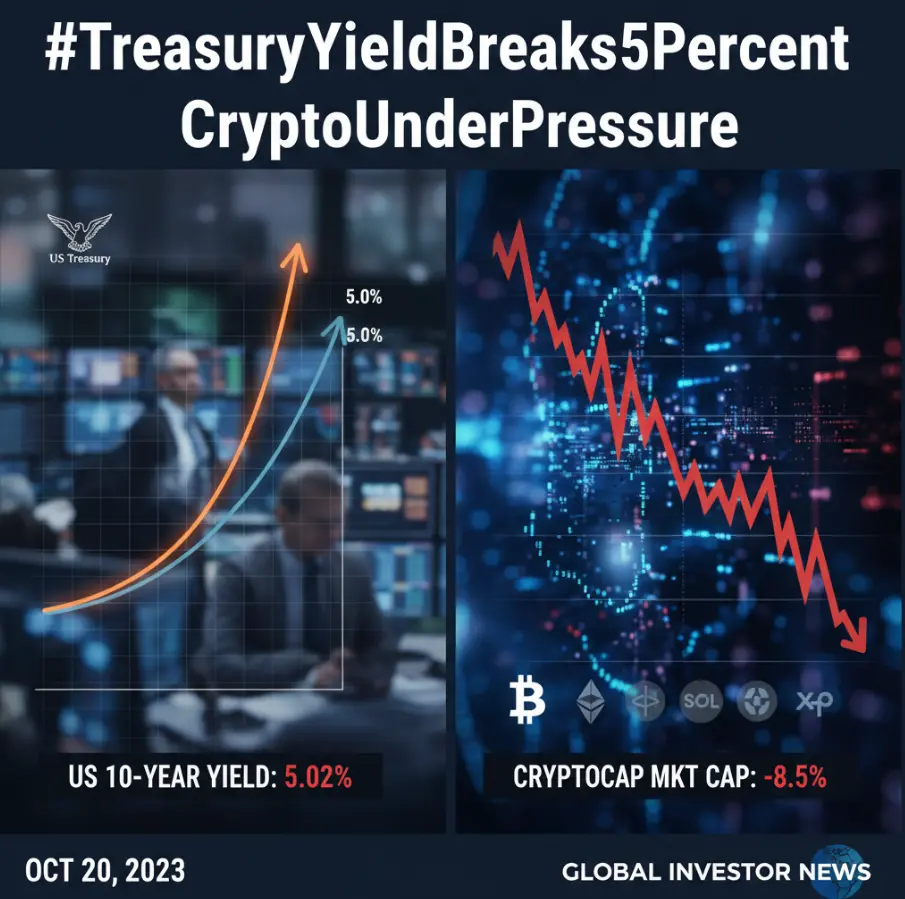
#TreasuryYieldBreaks5PercentCryptoUnderPressure 📉
1. Why 5% yields matter so much
High long-term yields do three things at the same time:
• Pull institutional capital back into bonds
• Increase the opportunity cost of holding risk assets
• Tighten overall financial conditions globally
When U.S. Treasury yields cross the 5% level, “risk-free” returns start competing directly with crypto and equities.
2. Impact on Crypto Markets
Crypto thrives on liquidity — and high yields drain it.
• BTC & altcoins face selling pressure
• Leverage becomes more expensive
• Risk appetite drops across the board
BTC0.14%
DragonFlyOfficial
#TreasuryYieldBreaks5PercentCryptoUnderPressure
📉 1. Why 5% yields matter so much
High long-term yields do three things at the same time:
Pull institutional capital back into bonds
Increase discount rates for risk assets (stocks + crypto get devalued in models)
Reduce liquidity flowing into speculative markets
So yes — crypto doesn’t get “attacked,” it simply becomes less attractive relative to safe yield instruments.
₿ 2. Bitcoin’s current position (76K–79K range)
That range is not random — it reflects:
Weak new liquidity inflow
Profit-taking at higher levels
Macro hesitation due to bond yields + Fed stance
Right now BTC is behaving like a liquidity-sensitive risk asset, not a pure “digital gold” narrative.
⚠️ 3. The “safe haven” narrative problem
The key question you raised is important:
Is crypto losing safe-haven status?
Short answer: It never fully had it in macro cycles.
Bitcoin behaves more like:
Liquidity-driven tech asset in risk-on phases
Partially hedge-like only during specific crises
When yields rise, BTC usually fails to behave like gold — it behaves more like NASDAQ beta.
💰 4. Will capital drain from crypto?
Not completely — but rotation happens in phases:
Likely short-term:
Capital moves into bonds / money market funds
Reduced speculative inflows into altcoins
Lower volatility expansion in crypto
Medium-term:
If liquidity tightens too long → altcoin underperformance intensifies
BTC dominance increases (capital consolidates)
Long-term:
If Fed pivots → crypto benefits faster than traditional assets
🧠 5. What smart traders are watching (not emotions)
Focus is not “bull vs bear,” but:
Real yields trend (not just headline yields)
Fed liquidity signals (not just rates)
Dollar strength index
BTC dominance behavior
ETF inflow/outflow patterns
🔴 Risk Reality
Higher Treasury yields don’t “kill crypto” — they change opportunity cost. That’s what forces de-risking, not fear.
If yields stay above 5% for extended periods, expect:
Longer sideways crypto structure
Sharper liquidation spikes on leverage
Slower altseason probability
🎯 Strategic takeaway
This is not a collapse setup — it’s a capital re-pricing environment.
Bonds = yield stability
Crypto = liquidity speculation engine
Right now, the system is temporarily rewarding stability over risk.
repost-content-media
  • Reward
  • Comment
  • Repost
  • Share
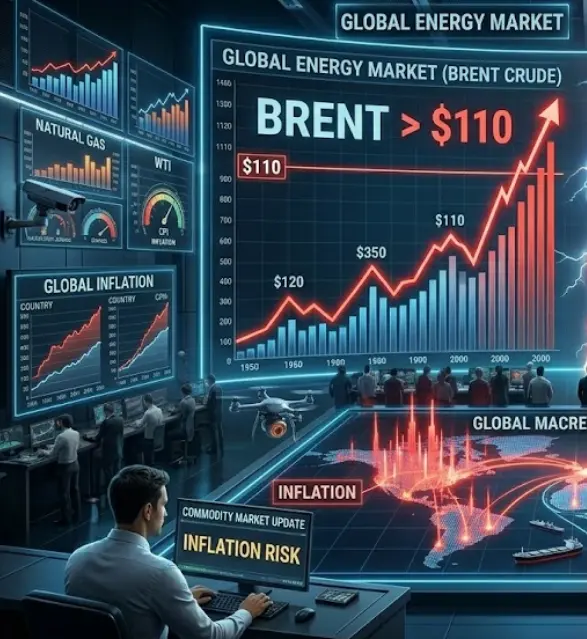
#OilBreaks110 📈Brent crude pushing above $110 is not just a price move — it’s a signal.Rising geopolitical tensions and potential supply disruptions are once again shaking global markets. Energy inflation risk is back on the table, and its ripple effects could impact everything from equities to crypto.Markets don’t fear high prices — they fear uncertainty.Stay sharp.
DragonFlyOfficial
#OilBreaks110
OilBreaks110 📈
Brent crude surging above $110 highlights growing geopolitical pressure and renewed inflation risks driven by supply disruption concerns, including tensions around key shipping routes.
Higher oil prices are not just an energy story — they directly reshape global monetary expectations.
📊 Key market impact:
Inflation expectations rise again
Fed rate-cut bets get reduced
Real yields stay elevated for longer
Liquidity conditions tighten across risk assets
This creates a challenging environment for equities, crypto, and growth assets as capital shifts toward safety and yield protection rather than speculation.
In simple terms: expensive oil = tighter money conditions.
🔴 Risk Warning: Macro volatility is increasing. Energy shocks can rapidly impact inflation and liquidity conditions, leading to sharp moves in risk assets.
#OilBreaks110 #MacroMarkets #GateSquare
repost-content-media
  • Reward
  • Comment
  • Repost
  • Share
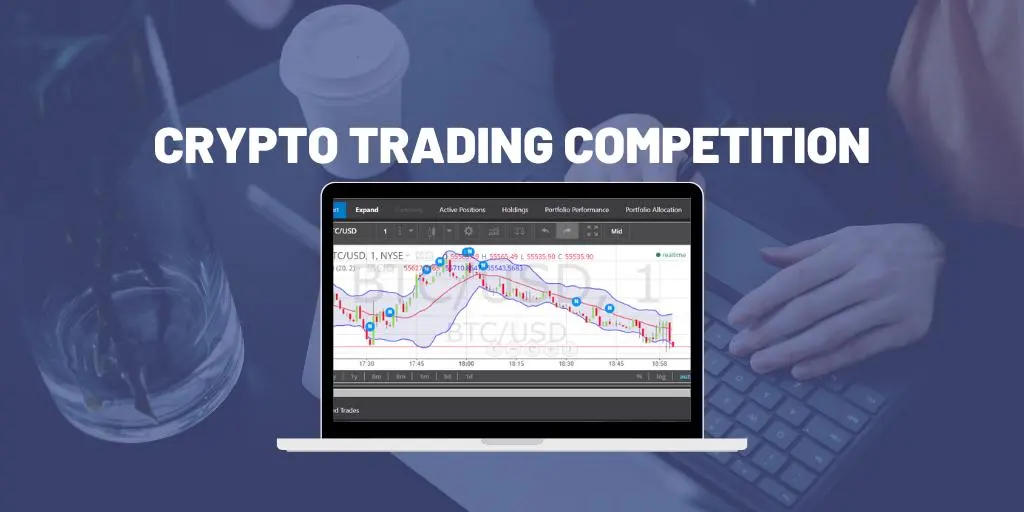
📊 #WCTCTradingKingPK — Trading Battle Reality
WCTC S8 Trading Competition is not just a contest — it’s a performance + risk + survival test
⚔️ What “King PK” really means:
• 1v1 trader battles
• Based on profit + trading volume
• Fast execution under pressure
📉 Reality behind the hype:
• High leverage traders dominate early rounds
• Risk spikes during volatile sessions
• One bad trade can eliminate months of gains
🧠 What actually wins:
• Consistency > big wins
• Controlled drawdowns
• Risk management under stress
🧭 Final insight:
This isn’t just trading — it’s decision-making under pressur
DragonFlyOfficial
#WCTCTradingKingPK
🏆 WCTC S8: Winning Is Never About Luck — It’s About Discipline
The market is full of noise, emotions, and impulsive decisions, but real traders know one thing: consistency beats excitement.
In #WCTCTradingKingPK, many participants focus only on profit screenshots, but the real edge comes from a deeper process:
✅ capital protection
✅ patience before entry
✅ controlled leverage
✅ strict stop-loss discipline
✅ emotional stability
This competition is not only about making one big winning trade.
It is about proving that your strategy can survive volatility, fake breakouts, and market manipulation.
My current focus is on high-probability setups only.
I avoid overtrading because in fast-moving competitions, most losses come from emotional entries, revenge trades, and FOMO chasing.
A professional trader waits for confirmation.
For example, when BTC or major alts approach key liquidity zones, I prefer to wait for confirmation candles and volume strength before entering.
The goal is simple:
protect the account first, grow the account second.
WCTC S8 has already attracted massive global participation with millions in prize incentives, so this is not just a contest — it is a true test of mindset, execution, and risk control. ()
Every trade should answer three questions:
Where is my invalidation?
What is my risk-to-reward ratio?
Am I trading the setup or my emotions?
The traders who answer these honestly are the ones who stay on the leaderboard.
Success in WCTC is not built in one day.
It is built trade by trade.
#WCTCTradingKingPK
#WCTC
#Gate
repost-content-media
  • Reward
  • 1
  • Repost
  • Share
Yusfirah:
LFG 🔥
📊 #CryptoMarketSeesVolatility — Reality Check
Crypto market is back in a high-volatility regime, not a trendless phase
⚠️ What’s driving swings:
• Geopolitical headlines shifting risk sentiment
• Liquidity + ETF flow uncertainty
• Derivatives leverage building up
• Altcoins reacting stronger than BTC
📉 BTC & ETH remain relatively stable, but altcoins are amplifying moves as capital rotates fast
🧭 Market truth:
This isn’t random chaos — it’s a liquidity + macro reaction cycle where every headline gets overpriced
BTC0.14%
ETH0.1%
DragonFlyOfficial
📊 #CryptoMarketSeesVolatility — Smart Traders See Opportunity, Not Fear
The crypto market is once again showing strong volatility, and this is exactly where disciplined traders separate themselves from emotional traders.
Bitcoin and Ethereum are moving in sharp waves, while altcoins are reacting even faster due to lower liquidity and leverage pressure. Recent market data shows the broader crypto market cap near $2.39 trillion, with BTC dominance still leading the market structure. ()
But volatility does not automatically mean danger.
It means opportunity with risk control.
Here’s what smart traders should focus on:
✅ key support and resistance zones
✅ confirmation candles before entry
✅ stop-loss discipline
✅ controlled leverage
✅ no revenge trading
Most retail traders lose during volatile phases because they chase candles and enter based on emotions.
Professional traders do the opposite.
They wait for liquidity sweeps, breakout confirmation, and volume expansion.
Current market movement suggests this is more of a repositioning phase rather than panic selling, where large players are testing liquidity before the next trend direction becomes clear. ()
My focus in this phase is simple:
protect capital first, trade only high-probability setups second.
Volatility is not the enemy.
Poor risk management is.
#CryptoMarketSeesVolatility
repost-content-media
  • Reward
  • 1
  • Repost
  • Share
ybaser:
Just charge forward 👊Just charge forward 👊
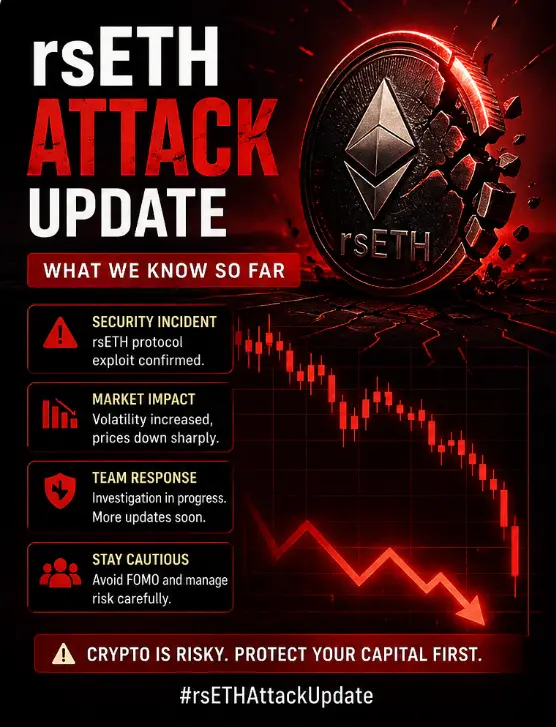
📊 #rsETHAttackUpdate — KelpDAO Bridge Exploit Explained (Reality Only)
This is not a normal “DeFi hack” — it’s a cross-chain infrastructure failure attack targeting trust layers, not smart contracts
⚠️ What happened:
• ~116,500 rsETH drained (~$290M+)
• Attack targeted LayerZero bridge verification layer
• Fake cross-chain message approved via single-point DVN
• Funds then used as collateral on lending protocols
📉 Why it matters:
• On-chain transactions looked completely valid
• Problem was OFF-chain verification manipulation
• Created massive downstream bad debt across DeFi
🧠 Core truth:
T
ZRO-1.82%
DragonFlyOfficial
🚨 #rsETHAttackUpdate — Market Reacts to Security Concerns
The latest rsETH update has created fresh volatility across the market, and traders are closely watching how liquidity and sentiment respond.
Whenever the market reacts to attack-related news, the first impact is usually seen in confidence, liquidity flow, and leveraged positions.
This is exactly why disciplined risk management matters.
Smart traders should focus on:
✅ avoiding emotional entries
✅ waiting for trend confirmation
✅ reducing leverage during uncertainty
✅ protecting capital with strict stop loss
News-driven volatility often creates sudden fake moves.
The market may first overreact, then stabilize once more details become clear.
For now, the best approach is to trade only confirmed setups and avoid panic decisions.
Events like this remind us that security updates and protocol trust directly affect price action.
Capital protection comes first.
#rsETHAttackUpdate
#CryptoTrading
repost-content-media
  • Reward
  • 1
  • Repost
  • Share
ybaser:
Just charge forward 👊Just charge forward 👊
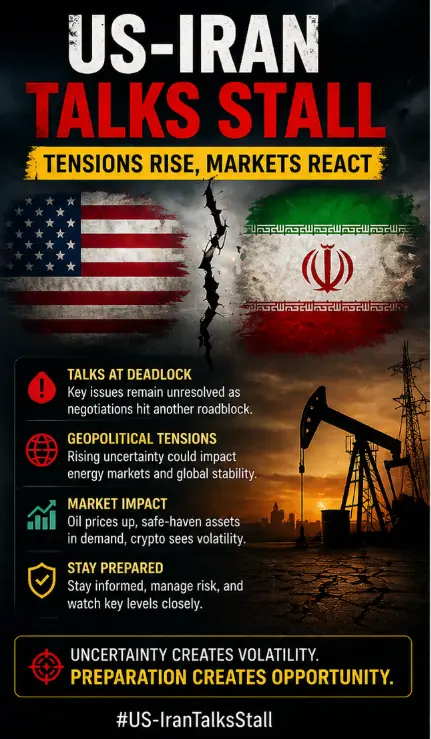
📊 #US-IranTalksStall — What Market Misses
Talks between the US and Iran are stuck again — but this isn’t just diplomacy failure, it’s a strategy deadlock
⚠️ Core reality:
• No trust between both sides
• Sanctions relief vs nuclear limits still unresolved
• Backchannel diplomacy not producing results
📉 Why it matters:
• Geopolitical risk stays elevated
• Energy markets stay sensitive
• Any headline can trigger sharp volatility
🧭 Key insight:
Stall doesn’t mean peace — it means tension is being stored, not solved
DragonFlyOfficial
#US-IranTalksStall
US–Iran Talks Stall: What It Really Means for Markets, Energy, and Global Risk Sentiment
The breakdown or slowdown in US–Iran diplomatic progress is not just a political headline—it’s a direct trigger for volatility across global energy markets, crypto sentiment, and risk appetite in trading ecosystems. When negotiations stall between two geopolitical powers with influence over the Middle East, the market doesn’t wait for confirmation. It prices fear first, and clarity later.
From a trader’s perspective, this is not about taking sides. It is about understanding liquidity shocks, volatility expansion, and sentiment rotation.
1. Why stalled talks matter more than “bad news”
Markets don’t react equally to all geopolitical developments. A stalled negotiation is often more destabilizing than an outright failure because:
It removes clarity without providing resolution
It keeps sanction risk alive
It increases speculation instead of reducing it
It creates “headline-driven spikes” instead of structured trends
This environment typically leads to:
Sudden oil price swings
Crypto volatility spikes (especially BTC correlation breaks)
USD strength fluctuations
Safe-haven demand (gold, bonds)
In simple terms: uncertainty becomes the product being traded.
2. Energy markets: the real pressure point
Any US–Iran tension immediately feeds into crude oil pricing psychology because Iran remains a key player in global oil supply dynamics.
What usually happens in stalled talks:
Traders price in potential export constraints
Shipping and Strait of Hormuz risk premiums increase
OPEC+ expectations get re-evaluated
Energy futures become sentiment-driven, not demand-driven
Even without actual supply disruption, “fear of disruption” is enough to move markets aggressively.
This is where many retail traders misjudge the move—they wait for fundamentals, while institutions trade positioning shifts.
3. Crypto market reaction: indirect but sharp
Crypto does not react to geopolitics directly—it reacts through liquidity and dollar strength.
When US–Iran tensions rise:
Risk-off sentiment strengthens → BTC often becomes unstable
Altcoins suffer faster drawdowns due to liquidity thinning
Stablecoin inflows increase temporarily
Derivatives funding rates become erratic
But here is the critical truth most ignore:
Crypto rallies can still happen during geopolitical tension—but only when liquidity expansion overrides fear.
If dollar strength rises simultaneously, crypto usually struggles regardless of internal narratives.
4. Institutional behavior: what smart money actually does
Large players don’t react emotionally—they reposition.
During stalled geopolitical talks, institutions typically:
Hedge exposure in energy and FX markets
Reduce leverage in high-beta assets
Rotate into cash, gold, or short-duration instruments
Wait for policy confirmation, not headlines
This creates a “silent liquidity vacuum” in retail-heavy markets like altcoins.
That vacuum is where most retail traders get trapped.
5. Market psychology: the hidden driver
The most dangerous part of stalled negotiations is not the event itself—it is expectation fatigue.
You see this pattern:
Initial fear spike
Partial stabilization
Conflicting headlines
False breakout attempts
Liquidity trap moves
This cycle destroys overleveraged positions more than the actual geopolitical outcome.
If you are trading this environment, you are not trading direction—you are trading reaction speed.
6. Key risk zones for traders
In environments like this, the biggest mistakes are predictable:
Overusing leverage during headline volatility
Assuming “no war = safe market”
Ignoring USD strength correlation
Trading altcoins as if they are isolated assets
Chasing breakout moves without confirmation volume
The market often fakes direction before real positioning begins.
7. Strategic outlook (practical, not emotional)
A disciplined approach in this scenario is simple:
Focus on liquidity, not narrative
Wait for confirmation after news shocks
Prioritize major pairs over low-cap volatility
Reduce leverage until trend clarity returns
Treat spikes as distribution zones unless proven otherwise
This is not a “predict the news” environment. It is a “survive volatility and capitalize on structure” environment.
8. Final perspective
“US–Iran Talks Stall” is not a single event—it is a volatility regime.
Markets will continue to oscillate between fear pricing and correction phases until either:
Clear diplomatic resolution emerges
or
A material escalation changes supply-risk assumptions
Until then, every spike is temporary, and every dip is conditional.
Dragon Fly Official perspective: The real edge is not predicting geopolitical outcomes—it is staying positioned correctly while others get forced out by noise.
Risk Warning (Trading Context)
This environment carries elevated volatility risk. Price movements may be sharp, fast, and liquidity-dependent. Avoid high leverage, avoid emotional entries, and confirm moves with structure and volume before execution. Losses often come from impatience, not analysis failure.
repost-content-media
  • Reward
  • 1
  • Repost
  • Share
ybaser:
Just charge forward 👊Just charge forward 👊
📊 #US-IranTalksStall — Reality Check
United States × Iran talks have stalled again — not because of silence, but because of hard geopolitical positions
⚠️ What’s actually happening:
• Talks in Pakistan-mediated channel failed to progress
• No agreement on sanctions + nuclear + Hormuz access
• Both sides blaming each other for breakdown
📉 Why it matters:
• Diplomacy stuck in “pressure vs refusal” cycle
• Military tension still active in background
• Markets reacting to uncertainty + energy risk
🧭 Market angle:
Stalled talks = higher volatility in oil, gold, and risk assets
DragonFlyOfficial
#US-IranTalksStall
🌍 US–Iran Talks Stall: Market Pressure Builds Beneath the Surface
The stalled diplomatic progress between the US and Iran is not just another geopolitical headline—it’s a slow-burning risk factor that quietly reshapes global market positioning.
What matters here is not the news itself, but the market’s reaction cycle that follows uncertainty.
📉 1. Why markets stay sensitive to this situation
When talks stall, traders don’t wait for confirmation of escalation. They immediately reprice risk.
That leads to:
Higher crude oil volatility expectations
Short-term USD strength fluctuations
Risk-off positioning in equities and crypto
Sudden liquidity shifts in futures markets
This is not directional trading—it’s fear pricing in advance.
⚡ 2. The hidden driver: liquidity repositioning
Most retail traders focus on headlines. Institutions focus on liquidity.
In stalled negotiations:
Funds reduce leverage exposure
Hedging activity increases in energy markets
Capital rotates into safer assets (gold, cash, bonds)
High-beta assets lose momentum even without bad news
The result is a market that looks “calm” but trades unpredictably underneath.
📊 3. Crypto reaction pattern (important)
Crypto doesn’t move on geopolitics directly—it moves on liquidity and dollar strength.
Typical pattern:
Initial fear spike → BTC volatility rises
Altcoins bleed faster due to low liquidity
Funding rates swing sharply
False breakouts appear and trap traders
The biggest mistake?
Thinking crypto is independent of macro risk sentiment.
It is not.
🧠 4. What experienced traders focus on
Instead of predicting outcomes, professionals track:
USD strength direction
Oil volatility expansion
Funding rate instability
Volume confirmation after news spikes
Because in this phase, structure matters more than narrative.
⚠️ Final insight
This isn’t a trend market—it’s a reaction market.
Until clarity returns, price action will remain:
fast
emotional
liquidity-driven
The edge belongs to those who stay patient while others chase every headline.
repost-content-media
  • Reward
  • 1
  • Repost
  • Share
ybaser:
Just charge forward 👊Just charge forward 👊
📊 #USMilitaryMaduroBettingScandal — Reality Breakdown
This isn’t a “random betting rumor” — it’s a real insider-trading-style case linked to a military operation
A U.S. Army Special Forces soldier allegedly used classified info from a Venezuela operation to place prediction market bets on Nicolás Maduro’s removal.
⚠️ What happened (core facts)
• Soldier involved in the Maduro capture operation
• Placed ~$33K in bets on outcome timing
• Turned it into $400K+ profit
• Charged with fraud + misuse of classified information
📉 Why it matters
• First major “prediction market insider trading” case
DragonFlyOfficial
#USMilitaryMaduroBettingScandal
⚠️ US–Military–Maduro “Betting Scandal” Claims: What’s Known vs What’s Noise
Recent online discussions around a so-called “USMilitaryMaduroBettingScandal” are circulating heavily, but at this stage there is no verified evidence or official confirmation that any structured scandal of this nature actually exists.
What is visible is a familiar pattern: when geopolitical names like the US military and Venezuelan leadership are mentioned together, it often triggers rapid misinformation cycles, speculation threads, and narrative trading online.
This is less about confirmed events—and more about how fast rumor-driven sentiment spreads in politically sensitive environments.
🧠 1. Why this type of rumor spreads so quickly
In digital markets and social platforms, three forces amplify stories like this:
High geopolitical sensitivity (US + Venezuela context)
Viral keyword structures (“military”, “scandal”, “betting”)
Algorithmic engagement boosting controversial terms
Even without proof, narratives can gain traction simply because they are emotionally charged.
This creates a dangerous gap between:
what is true vs what is trending
📉 2. Market and sentiment impact (if narratives spread)
Even unverified geopolitical rumors can briefly influence:
Risk sentiment in forex markets
Short-term volatility in oil-related instruments
Crypto “risk-off” reactions
Sudden spikes in safe-haven demand
But these moves are usually:
short-lived
liquidity-driven
quickly corrected once clarity returns
Smart capital does not trade the headline—it trades the confirmation gap.
🧭 3. The real risk: misinformation cycles
The biggest issue here is not the rumor itself—it’s how it evolves:
Unverified claim appears
Social amplification begins
Traders and influencers speculate
Price action reacts temporarily
Reality correction wipes late positioning
This cycle repeats constantly in geopolitics-linked narratives.
⚠️ 4. What traders should focus on instead
Instead of reacting to unconfirmed stories, focus on:
Confirmed geopolitical developments
USD strength direction
Oil volatility structure
Liquidity conditions in risk assets
Actual news from credible agencies
Markets punish emotional entries based on unverified information.
🧩 5. Key takeaway
At this stage, the “USMilitaryMaduroBettingScandal” narrative should be treated as unverified social noise, not a tradable macro event.
The real edge is filtering signal from speculation before positioning capital.
Dragon Fly Official insight: In modern markets, misinformation moves faster than money—but only money decides what survives.
⚠️ Risk Warning
Do not base trading or investment decisions on unverified geopolitical rumors. Such narratives often create short-term volatility traps followed by rapid reversals once facts emerge.
repost-content-media
  • Reward
  • 1
  • Repost
  • Share
ybaser:
Just charge forward 👊Just charge forward 👊
📊 #US-IranTalksStall — Reality Check
Talks didn’t fail randomly — they stalled due to hard positions on both sides
• US canceled key negotiations
• Iran refused pressure-based terms
• No agreement on sanctions & nuclear limits
⚠️ Result:
Diplomacy paused → tension rising → market uncertainty
🧭 Market impact: Oil + geopolitical risk stay elevated
DragonFlyOfficial
#US-IranTalksStall
US–Iran Talks Stall: What It Really Means for Markets, Energy, and Global Risk Sentiment
The breakdown or slowdown in US–Iran diplomatic progress is not just a political headline—it’s a direct trigger for volatility across global energy markets, crypto sentiment, and risk appetite in trading ecosystems. When negotiations stall between two geopolitical powers with influence over the Middle East, the market doesn’t wait for confirmation. It prices fear first, and clarity later.
From a trader’s perspective, this is not about taking sides. It is about understanding liquidity shocks, volatility expansion, and sentiment rotation.
1. Why stalled talks matter more than “bad news”
Markets don’t react equally to all geopolitical developments. A stalled negotiation is often more destabilizing than an outright failure because:
It removes clarity without providing resolution
It keeps sanction risk alive
It increases speculation instead of reducing it
It creates “headline-driven spikes” instead of structured trends
This environment typically leads to:
Sudden oil price swings
Crypto volatility spikes (especially BTC correlation breaks)
USD strength fluctuations
Safe-haven demand (gold, bonds)
In simple terms: uncertainty becomes the product being traded.
2. Energy markets: the real pressure point
Any US–Iran tension immediately feeds into crude oil pricing psychology because Iran remains a key player in global oil supply dynamics.
What usually happens in stalled talks:
Traders price in potential export constraints
Shipping and Strait of Hormuz risk premiums increase
OPEC+ expectations get re-evaluated
Energy futures become sentiment-driven, not demand-driven
Even without actual supply disruption, “fear of disruption” is enough to move markets aggressively.
This is where many retail traders misjudge the move—they wait for fundamentals, while institutions trade positioning shifts.
3. Crypto market reaction: indirect but sharp
Crypto does not react to geopolitics directly—it reacts through liquidity and dollar strength.
When US–Iran tensions rise:
Risk-off sentiment strengthens → BTC often becomes unstable
Altcoins suffer faster drawdowns due to liquidity thinning
Stablecoin inflows increase temporarily
Derivatives funding rates become erratic
But here is the critical truth most ignore:
Crypto rallies can still happen during geopolitical tension—but only when liquidity expansion overrides fear.
If dollar strength rises simultaneously, crypto usually struggles regardless of internal narratives.
4. Institutional behavior: what smart money actually does
Large players don’t react emotionally—they reposition.
During stalled geopolitical talks, institutions typically:
Hedge exposure in energy and FX markets
Reduce leverage in high-beta assets
Rotate into cash, gold, or short-duration instruments
Wait for policy confirmation, not headlines
This creates a “silent liquidity vacuum” in retail-heavy markets like altcoins.
That vacuum is where most retail traders get trapped.
5. Market psychology: the hidden driver
The most dangerous part of stalled negotiations is not the event itself—it is expectation fatigue.
You see this pattern:
Initial fear spike
Partial stabilization
Conflicting headlines
False breakout attempts
Liquidity trap moves
This cycle destroys overleveraged positions more than the actual geopolitical outcome.
If you are trading this environment, you are not trading direction—you are trading reaction speed.
6. Key risk zones for traders
In environments like this, the biggest mistakes are predictable:
Overusing leverage during headline volatility
Assuming “no war = safe market”
Ignoring USD strength correlation
Trading altcoins as if they are isolated assets
Chasing breakout moves without confirmation volume
The market often fakes direction before real positioning begins.
7. Strategic outlook (practical, not emotional)
A disciplined approach in this scenario is simple:
Focus on liquidity, not narrative
Wait for confirmation after news shocks
Prioritize major pairs over low-cap volatility
Reduce leverage until trend clarity returns
Treat spikes as distribution zones unless proven otherwise
This is not a “predict the news” environment. It is a “survive volatility and capitalize on structure” environment.
8. Final perspective
“US–Iran Talks Stall” is not a single event—it is a volatility regime.
Markets will continue to oscillate between fear pricing and correction phases until either:
Clear diplomatic resolution emerges
or
A material escalation changes supply-risk assumptions
Until then, every spike is temporary, and every dip is conditional.
Dragon Fly Official perspective: The real edge is not predicting geopolitical outcomes—it is staying positioned correctly while others get forced out by noise.
Risk Warning (Trading Context)
This environment carries elevated volatility risk. Price movements may be sharp, fast, and liquidity-dependent. Avoid high leverage, avoid emotional entries, and confirm moves with structure and volume before execution. Losses often come from impatience, not analysis failure.
repost-content-media
  • Reward
  • 1
  • Repost
  • Share
ybaser:
Just charge forward 👊Just charge forward 👊
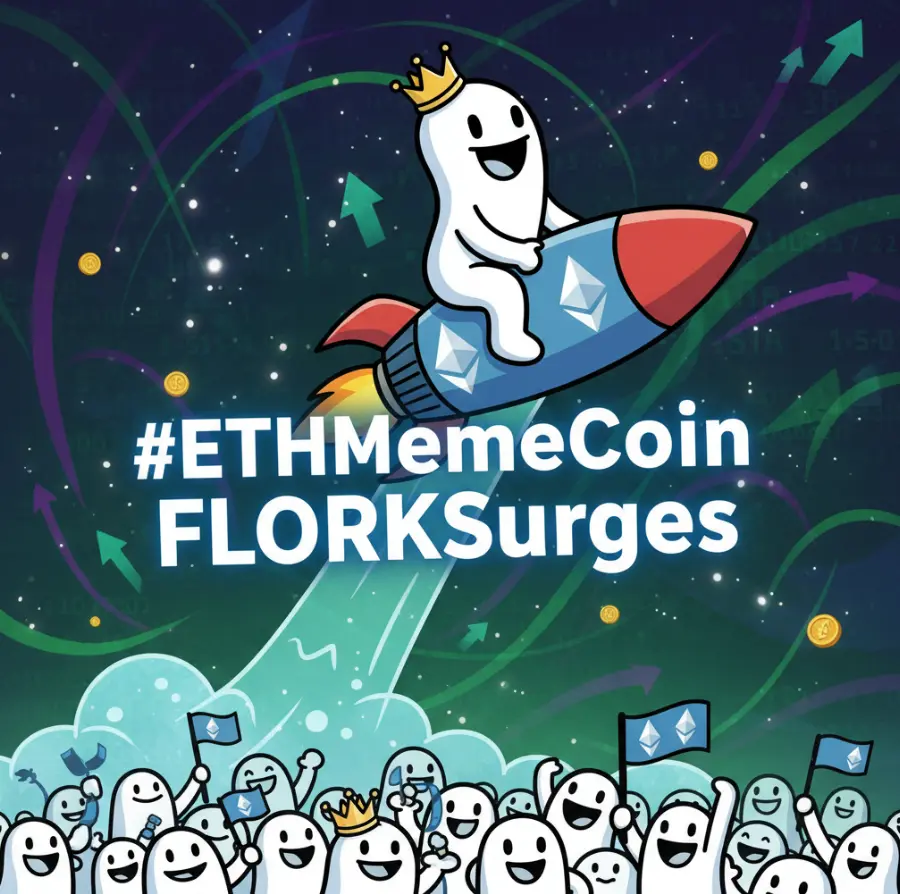
📊 #ETHMemeCoinFLORKSurges — What’s Really Happening
FLORK surge ≠ fundamentals
Driven by:
• Viral exposure on X feature launch
• Pure community + meme momentum
• Low liquidity = explosive moves
🚀 Result: 17x–20x spike in hours
⚠️ Reality:
No utility + hype-driven = extreme risk
🧭 Play smart: Meme coins = timing game, not investing
DragonFlyOfficial
#ETHMemeCoinFLORKSurges
🚀 ETH Meme Sector Update: “FLORK” Surge Highlights Speculative Liquidity Rotation in Crypto Markets
The recent surge in ETH-linked meme assets, led by tokens like FLORK, is not just another hype cycle. It reflects a deeper and more structural behavior in crypto markets: liquidity rotation during uncertainty phases in major assets like Ethereum.
When traders see sudden explosive moves in meme coins, they often assume “new money is entering.” In reality, most of these moves are internal capital rotation—money shifting within the ecosystem rather than fresh inflows.
This distinction matters because it determines whether a rally is sustainable or fragile.
📊 1. What the FLORK surge actually signals
The sharp upside movement in FLORK-style meme tokens is usually driven by:
Low-liquidity amplification (small capital moves large price)
Short-term speculative positioning
Social momentum cycles (not fundamentals)
Derivatives spillover from ETH volatility
Retail chasing breakout candles
But the key insight is this:
Meme coin surges often increase when major assets like Ethereum enter consolidation or uncertainty phases.
When ETH slows down or becomes range-bound, traders search for higher volatility elsewhere. Meme coins become that outlet.
⚠️ 2. Why these surges are misleading for most traders
The biggest mistake retail traders make is interpreting meme rallies as “bull market confirmation.”
In reality, these moves often indicate:
Capital fragmentation
Risk appetite shifting into lower-quality assets
Short-term leverage buildup
Exit liquidity formation for early entrants
This creates a dangerous illusion:
“Everything is pumping, so the market is strong.”
But structurally, it may actually be the opposite—capital is rotating away from high-conviction assets into speculative noise.
🧠 3. Ethereum’s role in this cycle
Ethereum is not just another token—it is the liquidity backbone of the altcoin ecosystem.
When ETH experiences:
sideways movement
reduced volatility
unclear trend structure
Then capital naturally spills into meme sectors.
Why?
Because traders still want movement. If ETH is not moving, they go hunting for volatility.
This is why meme coins often outperform during ETH consolidation phases—but that outperformance is usually short-lived and unstable.
📉 4. The hidden risk behind meme surges
The FLORK-type moves come with structural risks that are often ignored:
1. Liquidity risk
Most meme tokens have thin order books. Large holders can move price dramatically in both directions.
2. Exit liquidity trap
Early buyers distribute into late FOMO buyers. When momentum slows, price collapses quickly.
3. Correlation snap-back
When ETH volatility returns, meme coins typically underperform sharply.
4. Sentiment overextension
Social hype peaks before price peaks—never after.
📊 5. Market psychology behind the surge
The psychology cycle usually follows this pattern:
ETH stabilizes → traders get bored
Meme coin starts moving → attention shifts
Social media amplifies gains
Retail FOMO accelerates entries
Early holders distribute positions
Sharp reversal begins
This cycle repeats constantly across crypto cycles because human behavior does not change.
🧭 6. What smart traders are watching instead
Professionals are not chasing FLORK-style moves blindly. They are tracking:
ETH volatility expansion signals
Funding rate imbalance across meme tokens
Volume sustainability after breakout
BTC dominance shifts (macro liquidity signal)
On-chain flow consistency (not spikes)
Because the real question is not:
“Which meme coin is pumping?”
It is:
“Is this liquidity expansion sustainable or just rotation?”
🧩 7. Strategic interpretation (not hype-driven thinking)
From a disciplined trading perspective, the FLORK surge suggests:
Short-term speculative phase is active
Risk appetite is temporarily elevated
ETH is not currently driving directional momentum
Market is rotating rather than expanding
This is important because rotation phases often end with:
sharp rebalancing
liquidity resets
sudden drawdowns in low-cap assets
🧱 8. Risk framework for traders
If you are participating in this type of market:
Avoid chasing vertical candles
Reduce exposure size in low-liquidity tokens
Treat meme rallies as timed trades, not investments
Always assume distribution is happening during parabolic moves
Respect ETH and BTC structure before alt exposure
Most losses in this phase come from ignoring liquidity mechanics, not wrong predictions.
🧭 Final perspective
The FLORK surge is not a standalone event—it is a symptom of broader market rotation behavior inside the Ethereum ecosystem.
When Ethereum is stable but not trending, capital doesn’t disappear—it moves sideways into higher-risk narratives.
That movement creates opportunity, but also traps.
Dragon Fly Official view: In these conditions, survival is not about catching every pump—it’s about avoiding the collapse that follows overextended rotation cycles.
⚠️ Risk Warning
Meme coin markets are highly speculative and extremely volatile. Prices can reverse sharply without warning due to low liquidity and concentrated holdings. Never use high leverage in these conditions. Most losses occur during late-stage entry, not early-stage opportunity.
repost-content-media
  • Reward
  • Comment
  • Repost
  • Share
  • Pin