


Futures
Access hundreds of perpetual contracts
TradFi
Gold
One platform for global traditional assets
Options
Hot
Trade European-style vanilla options
Unified Account
Maximize your capital efficiency
Demo Trading
Futures Kickoff
Get prepared for your futures trading
Futures Events
Join events to earn rewards
Demo Trading
Use virtual funds to experience risk-free trading
Launch
CandyDrop
Collect candies to earn airdrops
Launchpool
Quick staking, earn potential new tokens
HODLer Airdrop
Hold GT and get massive airdrops for free
Launchpad
Be early to the next big token project
Alpha Points
Trade on-chain assets and earn airdrops
Futures Points
Earn futures points and claim airdrop rewards





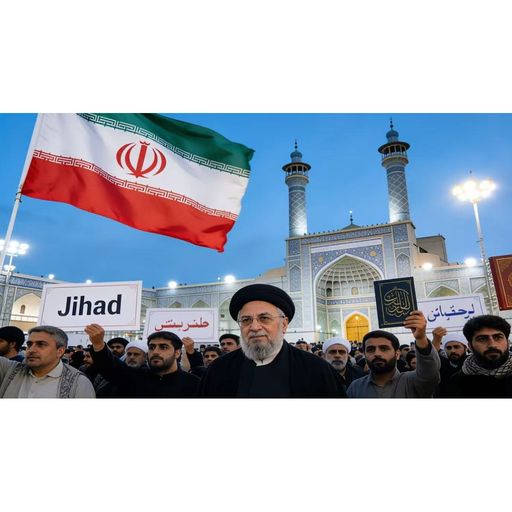
Is trading haram? A complete guide for Muslim investors
Islamic trading questions raise many concerns within the Muslim community. In fact, trading is not inherently forbidden, but whether it is halal or haram depends closely on adherence to Sharia principles and established religious controls. Understanding these nuances is essential for any Muslim wishing to participate in financial markets.
Understanding the Fundamental Principles of Halal Trading
For trading to be considered halal, several essential conditions must be met. It’s not just about buying and selling financial assets, but doing so in accordance with Islamic teachings. The first step is to clearly identify acceptable sectors of activity and avoid those explicitly prohibited by Sharia.
Investments in legitimate companies, such as traditional commerce, manufacturing industries, or professional services, are generally permitted. However, companies involved in alcohol, gambling, usurious financial institutions, or other sectors contrary to Islamic values must be systematically avoided.
Riba: The Main Obstacle to Halal Trading
Riba, or usury in Arabic, represents one of Islam’s biggest taboos in commerce. Any trading involving interest transactions, whether through borrowing or paid loans, automatically renders the activity haram. This prohibition applies to all financial instruments where compound interest plays a central role.
Trading without resorting to usurious mechanisms remains within permissibility. However, this condition is rarely met in conventional financial markets, posing a major challenge for Muslim investors. Special attention must be paid to hidden fees, position interests, and financing conditions offered by brokers.
Different Types of Trading: Halal or Haram?
Stocks and Companies: Case-by-Case Evaluation
Trading stocks is halal if the company whose shares are purchased operates in permitted sectors. Conversely, investing in a business involved in alcohol production or distribution, banking usury, or gambling makes the investment haram.
Speculation: Between Opportunity and Trap
Moderate speculation, based on solid market knowledge and accepting calculated risk, can be considered halal. In contrast, excessive speculation, akin to gambling, where buying and selling stocks are done randomly without prior analysis, is haram. The dividing line depends on the seriousness of the analysis and the investor’s intention.
Margin Trading: Generally Haram
This type of trading almost invariably involves borrowing with interest, making it haram by default. Although it is theoretically possible to find interest-free structures, they remain rare and difficult to access in the conventional financial industry.
Forex and Currency Trading: Respecting Simultaneity
Currency transactions are only halal if they adhere to the principle of “Tawarruq,” meaning the simultaneous delivery of both currencies. Any delay in exchange or inclusion of interest elements renders the transaction haram.
Commodities and Metals: Strict Conditions
Trading gold, silver, and other commodities is permitted provided that sale and delivery are immediate and comply with Sharia requirements. Selling what you do not own or delaying delivery without legal control turns this activity into an impermissible practice.
Investment Funds: Verify Religious Compliance
Funds managed according to Sharia controls and investing exclusively in halal sectors are acceptable investment vehicles. Conversely, funds involved in usury or allocating resources to haram sectors should be avoided.
Contracts for Difference (CFDs): Formal Prohibition
CFDs are generally considered haram due to the lack of actual asset delivery and the frequent presence of interest mechanisms. These speculative instruments resemble gambling and are incompatible with Sharia.
How to Verify if Your Trading Complies with Sharia
Before engaging in any trading activity, it is strongly recommended to consult a Islamic finance expert or a qualified religious scholar. These specialists can review your specific strategies and confirm their compliance with Islamic principles.
Key control points include: complete absence of interest, legitimacy of investment sectors, realistic market analysis, and absence of practices resembling gambling. Regular portfolio audits ensure ongoing compliance over time.
In summary, trading in financial markets can be halal, but only if strict criteria dictated by Sharia are met. Every Muslim investor must exercise particular vigilance, understand the financial mechanisms involved in trading, and seek sound advice before engaging. The goal is not to prohibit trading but to practice it ethically and in accordance with the core values of Islam.