

Trade
Basic
Futures
Futures
Hundreds of contracts settled in USDT or BTC
TradFi
Gold
Trade global traditional assets with USDT in one place
Options
Hot
Trade European-style vanilla options
Unified Account
Maximize your capital efficiency
Demo Trading
Futures Kickoff
Get prepared for your futures trading
Futures Events
Participate in events to win generous rewards
Demo Trading
Use virtual funds to experience risk-free trading
Earn
Launch
CandyDrop
Collect candies to earn airdrops
Launchpool
Quick staking, earn potential new tokens
HODLer Airdrop
Hold GT and get massive airdrops for free
Launchpad
Be early to the next big token project
Alpha Points
Trade on-chain assets and enjoy airdrop rewards!
Futures Points
Earn futures points and claim airdrop rewards
Investment
Simple Earn
Earn interests with idle tokens
Auto-Invest
Auto-invest on a regular basis
Dual Investment
Buy low and sell high to take profits from price fluctuations
Soft Staking
Earn rewards with flexible staking
Crypto Loan
0 Fees
Pledge one crypto to borrow another
Lending Center
One-stop lending hub
VIP Wealth Hub
Customized wealth management empowers your assets growth
Private Wealth Management
Customized asset management to grow your digital assets
Quant Fund
Top asset management team helps you profit without hassle
Staking
Stake cryptos to earn in PoS products
Smart Leverage
New
No forced liquidation before maturity, worry-free leveraged gains
GUSD Minting
Use USDT/USDC to mint GUSD for treasury-level yields

More


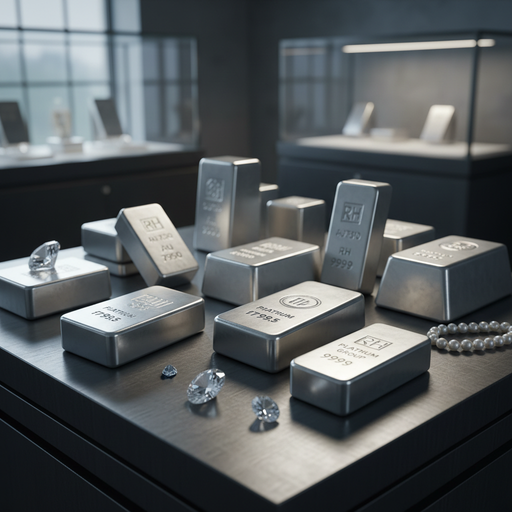




Zijin Mining — A Global Leader in Resources
Zijin Mining is currently experiencing a dual resonance period driven by “geopolitical sentiment catalysts” and “strong internal performance growth.” In the short term, it leads in safe-haven assets and resource price increases; in the long term, it has the potential to become a global mining giant. However, investors should be cautious of the risk of a pullback if “sentiment wanes.”
The current Middle East situation (US-Iran conflict, Strait of Hormuz risks) directly benefits Zijin Mining’s two core businesses: gold and copper.
Gold: Maxed-out Safe-Haven Attribute
Logic: The outbreak of conflict causes global risk aversion to surge, with funds flowing into gold markets. International gold prices have already surpassed the historic high of $5,200 per ounce.
Impact on Zijin: Zijin Mining is a leader in China’s A-share gold sector, with huge gold reserves. A 1% increase in gold prices is expected to boost the company’s net profit by 1.4%. Bank of America projects the average gold price in 2026 will reach $4,988 per ounce, directly translating into higher profits for the company.
Copper: Supply Premium and Inflation Hedge
Logic: Iran controls the Strait of Hormuz, causing about 20%-30% of global oil transportation to be disrupted, pushing up oil prices. Rising oil prices will increase global inflation expectations and raise costs for copper mining and transportation, thereby boosting copper prices (copper is the king of industrial metals and an inflation hedge).
Impact on Zijin: Zijin Mining is China’s largest copper producer. JPMorgan forecasts copper prices could hit $12,500 per ton in 2026. Rising copper prices will significantly increase the company’s profits.
Beyond short-term war sentiment, Zijin Mining’s “cards” are very strong, which is the fundamental reason it can withstand volatility and continue to rise.
Performance Explosive Growth:
According to the 2025 earnings forecast, the company’s net profit attributable to shareholders is expected to be between 51 billion and 52 billion yuan, a year-on-year increase of about 60%. Such high growth is rare among mining giants.
“Low Cost + High Output” Moat:
Cost Control: Zijin’s all-in sustaining costs (AISC) for gold are about $1,000–$1,377 per ounce, significantly lower than the global industry average (~$1,600). This means it can still profit even if gold prices pull back in the future. Capacity Expansion: The company is in a period of capacity explosion. By 2026, it plans to produce 1.2–1.24 million tons of copper, 105 tons of gold, and 120,000 tons of lithium carbonate.
Global Layout:
The company not only focuses on copper and gold but is also actively developing lithium (a key new energy metal). This “multi-metal” strategy allows it to fully benefit from the global energy transition and resource revaluation driven by inflation.
Currently, mainstream institutions (such as Bank of America, Goldman Sachs, Citi) are very optimistic about Zijin Mining.
Bank of America: Rated “Buy” with an astonishing target price of HKD 280 (current Hong Kong stock price around HKD 45, A-shares about CNY 39). This indicates that institutions believe the current stock price significantly undervalues its long-term potential.
Goldman Sachs: Positive on its performance amid easing cycles and geopolitical risks, expecting ROE (Return on Equity) to reach 36%.
While the outlook is promising, you should be aware of the following risks:
Sentiment Reversal Risk: If the US-Iran conflict suddenly eases (e.g., a ceasefire agreement), safe-haven funds may quickly withdraw from gold and resource stocks, causing short-term sharp declines in stock prices.
Overseas Operational Risks: Many of Zijin’s mines are overseas (e.g., Congo, Serbia), which diversifies geopolitical risks but also faces uncertainties such as local policy changes and political instability.