Discover the core principles of Distributed Ledger Technology (DLT), its benefits, and real-world applications. Understand the distinctions between DLT and blockchain, and explore how DLT is deployed in finance, logistics, and other sectors. This is an essential guide for investors and developers involved in cryptocurrency projects.
What Is Distributed Ledger Technology?
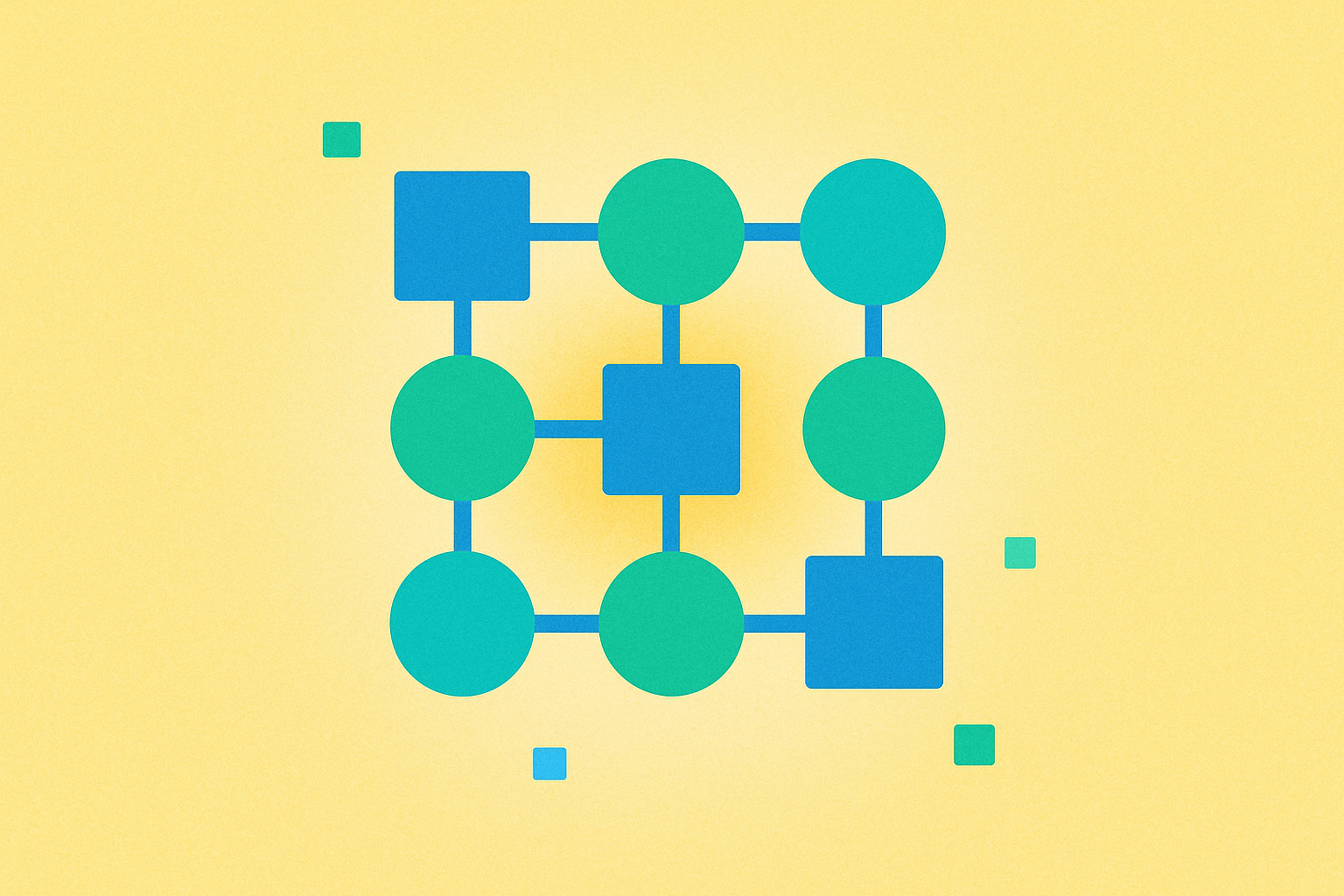
Distributed Ledger Technology (DLT) refers to an electronic database system that is spread across multiple network nodes or devices. A defining feature of DLT is its lack of a central governing authority, which fundamentally distinguishes it from traditional centralized data storage systems.
DLT enables information to be recorded and maintained on a network that is both decentralized and distributed. Decentralization means that data resides on numerous independent servers rather than a single central server. Distribution indicates that these interconnected nodes constantly communicate, exchange data, and synchronize the ledger’s state.
DLT networks can be private (restricted to a select group of participants) or public (open to anyone). The choice depends on the specific use case and confidentiality requirements.
How Does DLT Work?
Networks built on distributed ledger systems operate without any central authority. Instead of centralized control, information is simultaneously stored on many nodes within a peer-to-peer network. An automatic consensus algorithm updates data and maintains consistency across all nodes.
This process works as follows: data moves through the nodes forming the network, where it is duplicated and synchronized. Each node independently updates itself to maintain a full copy of the ledger, recording every transaction and change.
When new data enters the network, all nodes participate in a voting process to update the ledger. Through consensus, network participants agree on the current version of the ledger, ensuring data integrity and reliability throughout the system.
Every ledger update is secured by a unique cryptographic signature, making unauthorized changes virtually impossible. The combination of cryptographic protection and distributed storage delivers a high level of database security while preserving transparency for all network members.
Is DLT the Same as Blockchain?
DLT and blockchain are often used interchangeably, as both describe systems for recording and storing information in a transparent, decentralized network without a single managing node. However, there is a key difference between them.
Blockchain is actually a specific type of distributed ledger—albeit the most recognized, thanks to cryptocurrencies. In essence, blockchain is a subset of DLT with its own unique attributes.
What sets blockchain apart is how it organizes data: all information is grouped into a sequential chain of cryptographically protected blocks. Each new block references the previous one, creating an unbreakable chain. New blocks can only be added; previously recorded data cannot be edited or removed. This property is called immutability.
Furthermore, blockchains are typically open public networks that do not require special permission for access. Anyone can join, view transactions, and participate in validation.
These features make blockchain an ideal cryptographically secure environment for recording and storing data, enabling transparent, chronological tracking of the entire transaction history.
Benefits of DLT
Distributed ledger technology offers several notable advantages, driving increasing adoption across diverse industries:
Transparency, efficiency, and automation. Network control is directly in the hands of users and is evenly distributed. Every participant can monitor transactions and verify data integrity. Process automation via smart contracts and consensus algorithms reduces manual intervention and speeds up operations.
Cost-efficient transactions. DLT allows for fast, cost-effective transactions by eliminating intermediaries, third parties, or centralized authorities. Removing these layers significantly reduces fees and processing times.
High security. The innovative approach of storing data in a network-wide distributed database ensures robust protection. To compromise the system, a bad actor would have to breach the majority of nodes simultaneously, which is virtually impossible. Cryptographic encryption adds another layer of defense against unauthorized changes or fraud.
DLT Applications
Finance. Cryptocurrencies and financial instruments built on decentralized DLT technologies greatly enhance the security and transparency of transactions. DLT enables cross-border payments with minimal fees and delays and supports innovative products like decentralized exchanges and lending platforms.
Voting. DLT can provide secure, confidential, and transparent voting systems, addressing many issues of election fraud. Each vote is recorded in the distributed ledger, making alteration or deletion impossible while preserving voter anonymity.
Healthcare. Distributed ledgers enable secure access to a patient’s complete medical history worldwide, crucial in emergencies. The technology improves diagnostics by facilitating confidential data sharing between institutions. Patients retain full control over their medical records.
Supply Chains. DLT dramatically increases the transparency and efficiency of global supply chains. Every step, from producer to consumer, is logged in the ledger, allowing tracking of origin and helping prevent counterfeiting. This empowers consumers to make informed decisions about product quality and safety.
Oil Production. In the oil and gas sector, DLT tracks extraction, transportation, and sales of hydrocarbons. It streamlines logistics, deters theft, and supports transparent settlements among market participants. Smart contracts automate contractual obligations.
Military. Armed forces use DLT to safeguard critical information, manage equipment supply chains, and secure communications. Distributed data storage makes the system resilient to cyberattacks and physical destruction of individual nodes.
Agriculture. In agriculture, DLT helps track food origins from farm to shelf, monitor quality at every stage, and verify organic certification. This builds consumer trust and allows farmers to earn fair value for quality products.
DLT Prospects
Distributed ledger technology is a relatively new, rapidly evolving field in IT. DLT gained worldwide recognition thanks to blockchain and Bitcoin, which proved the real-world viability of decentralized data storage.
However, DLT’s potential extends far beyond cryptocurrencies and financial transactions. Experts identify a broad spectrum of possible applications across the real economy—from public administration and law to education and intellectual property.
As technology continues to advance and new solutions emerge, distributed ledgers are expected to see even wider adoption. Key areas for development include greater scalability, reduced energy consumption, improved user experience, and efficient interoperability among blockchain platforms.
FAQ
What is distributed ledger technology, and how is it different from a traditional database?
Distributed ledger technology is a decentralized data storage solution secured by consensus mechanisms. Unlike traditional databases, it is distributed across many nodes, ensuring transparency and immutability of data.
How does distributed ledger technology guarantee data security and immutability?
DLT uses cryptography and digital signatures to protect data. Every transaction is encrypted and signed, preventing tampering. Decentralized storage across multiple nodes makes unauthorized manipulation virtually impossible.
What are practical use cases for distributed ledger technology?
DLT is used in supply chain management, financial transactions, identity management, and government operations. It enhances transparency, security, and data immutability. Bitcoin’s blockchain is a prominent example of DLT in action.
How are blockchain and distributed ledger technology related?
Blockchain is a specific implementation of distributed ledger technology. DLT is a general term for decentralized data storage systems, while blockchain uses cryptography and chained blocks to secure and preserve records.
What is a consensus mechanism in distributed ledger technology? What are the common types?
A consensus mechanism maintains data consistency across network nodes. The main types are: Proof of Work (PoW)—solving complex mathematical puzzles; Proof of Stake (PoS)—validation based on crypto asset ownership. Both ensure the distributed network’s security and integrity.
What are the advantages and disadvantages of distributed ledger technology?
Advantages: higher data security, transaction transparency, and elimination of intermediaries. Disadvantages: high energy consumption, management complexity, scalability challenges, and slower processing speeds.
* The information is not intended to be and does not constitute financial advice or any other recommendation of any sort offered or endorsed by Gate.